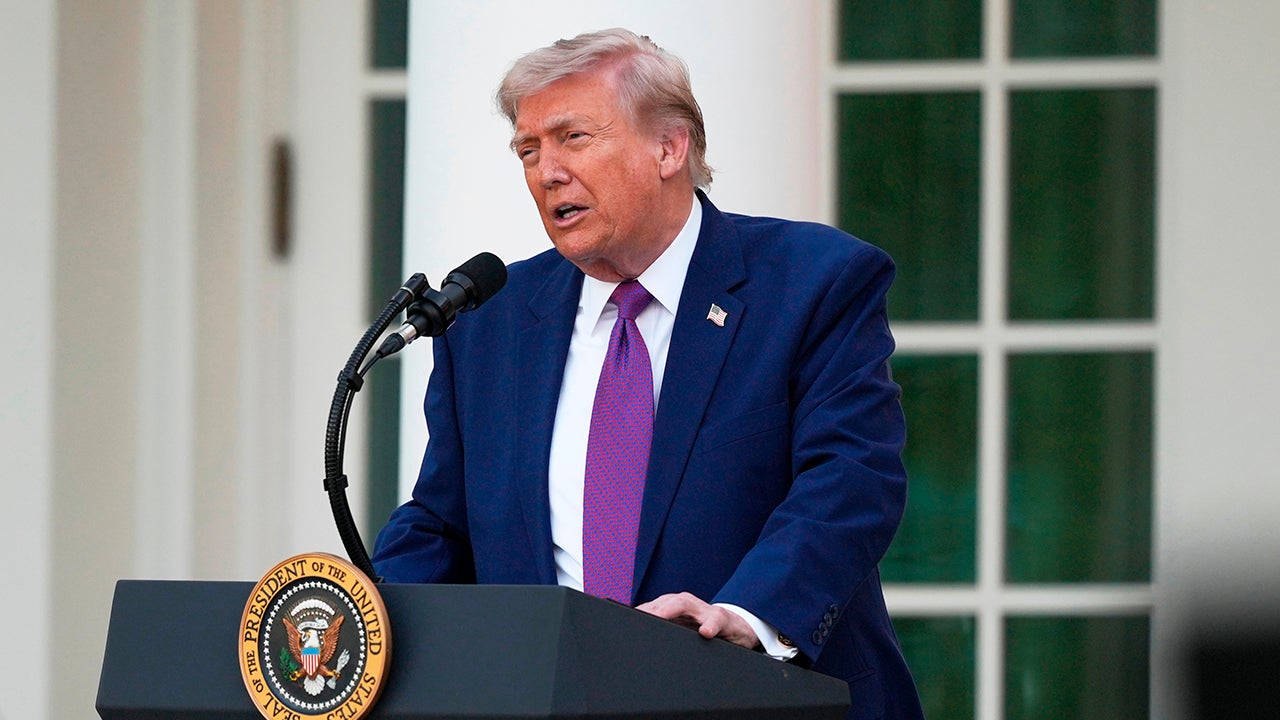
Trump said Iran’s latest peace proposal was "unacceptable" and described the ceasefire as on "life support," while reports indicate he is leaning toward renewing military action. The article also highlights intensified U.S. pressure on China over support for Iran and Russia, including sanctions-related measures and Beijing’s directive for firms to ignore U.S. sanctions on Iranian oil. The developments raise the risk of renewed Middle East conflict and broader geopolitical spillovers across energy, trade, and sanctions policy.
The market is underpricing how quickly a rhetorical escalation can become a physical supply shock. Even absent a formal re-entry into the conflict, renewed strikes or a tighter enforcement regime would likely widen tanker insurance, raise regional war-risk premia, and force refiners to pay up for non-sanctioned barrels within days; the first-order move is energy up, but the second-order move is a squeeze in freight, chemicals, and industrial margins.
The bigger medium-term issue is that this is not just an Iran story but a China compliance story. If Washington ties Iran pressure to Beijing’s trade channels, the likely response is more opaque shipping, more transshipment, and more sanctions leakage rather than immediate volume destruction; that tends to lift compliance costs for global commodity flows and benefits firms with cleaner sourcing, stronger balance sheets, and domestic supply chains. Defense and cyber names can rerate even if no shots are fired, because the probability-weighted demand for ISR, missile defense, and munitions rises whenever the market starts pricing a multi-week air campaign.
The contrarian read is that the headline may be more forceful than the state variable: a ceasefire described as weak can still survive if both sides want bargaining leverage. If that is the case, the overreaction window in crude and defense may be short-lived, but the sanctions channel is stickier — secondary enforcement on Chinese buyers and refiners is the part most likely to persist for months. That argues for trading the front-end volatility while keeping a structural bullish tilt on exporters and defense rather than chasing the entire geopolitical complex indiscriminately.
AI-powered research, real-time alerts, and portfolio analytics for institutional investors.
Request DemoOverall Sentiment
strongly negative
Sentiment Score
-0.65
