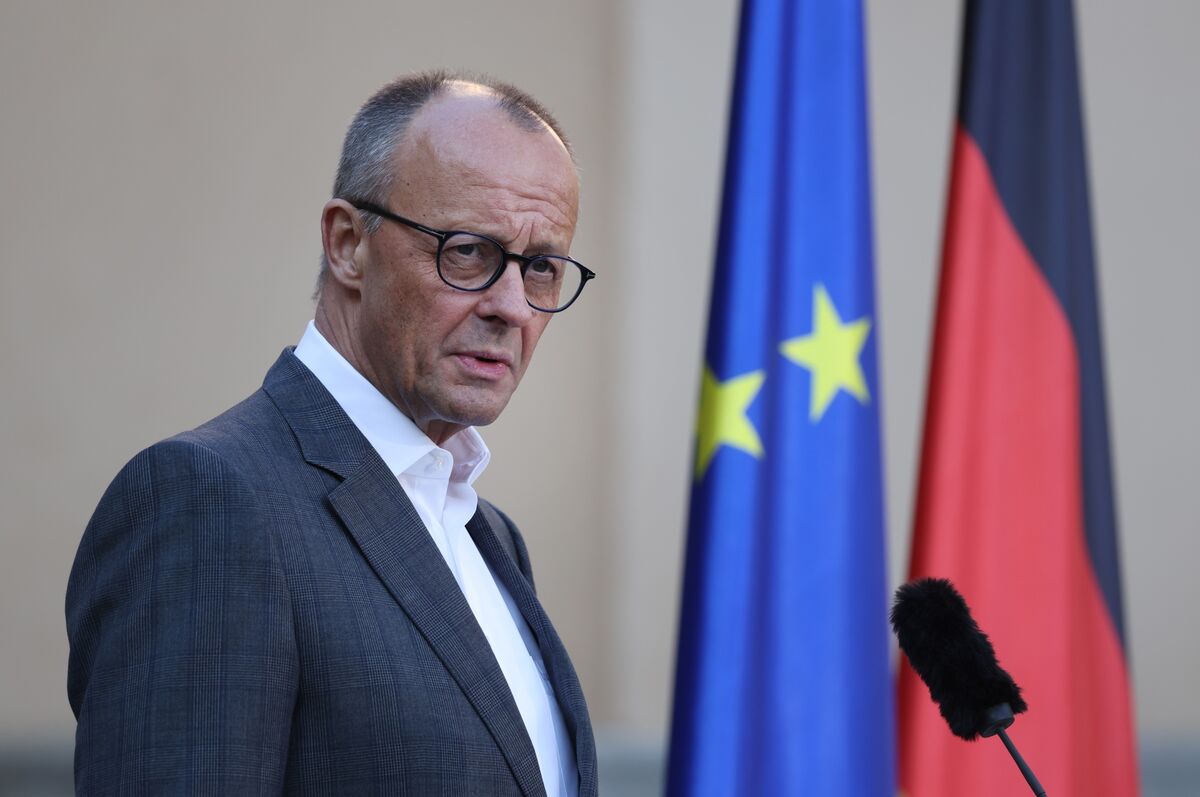
Germany's ruling coalition, under Chancellor Friedrich Merz, has approved a comprehensive reform package of over 80 measures designed to streamline and digitalize public administration. This initiative is projected to save €16 billion ($18.8 billion) in bureaucracy costs, aiming to significantly reduce the burden on businesses and citizens and foster a more efficient state apparatus.
The German ruling coalition under Chancellor Friedrich Merz has approved a significant reform package aimed at reducing administrative bureaucracy, with a projected cost saving of €16 billion ($18.8 billion). This initiative, comprising over 80 distinct measures, focuses on streamlining and digitalizing government administration to lessen the burden on both businesses and citizens. The program is positioned as a "fundamental renewal" of the state, signaling a substantial policy shift towards improving economic efficiency and competitiveness. The strongly positive sentiment associated with this announcement suggests that the market views this move as a credible and impactful effort to address structural impediments within Europe's largest economy, with a particular focus on fiscal prudence and regulatory modernization.
AI-powered research, real-time alerts, and portfolio analytics for institutional investors.
Request DemoOverall Sentiment
strongly positive
Sentiment Score
0.75
