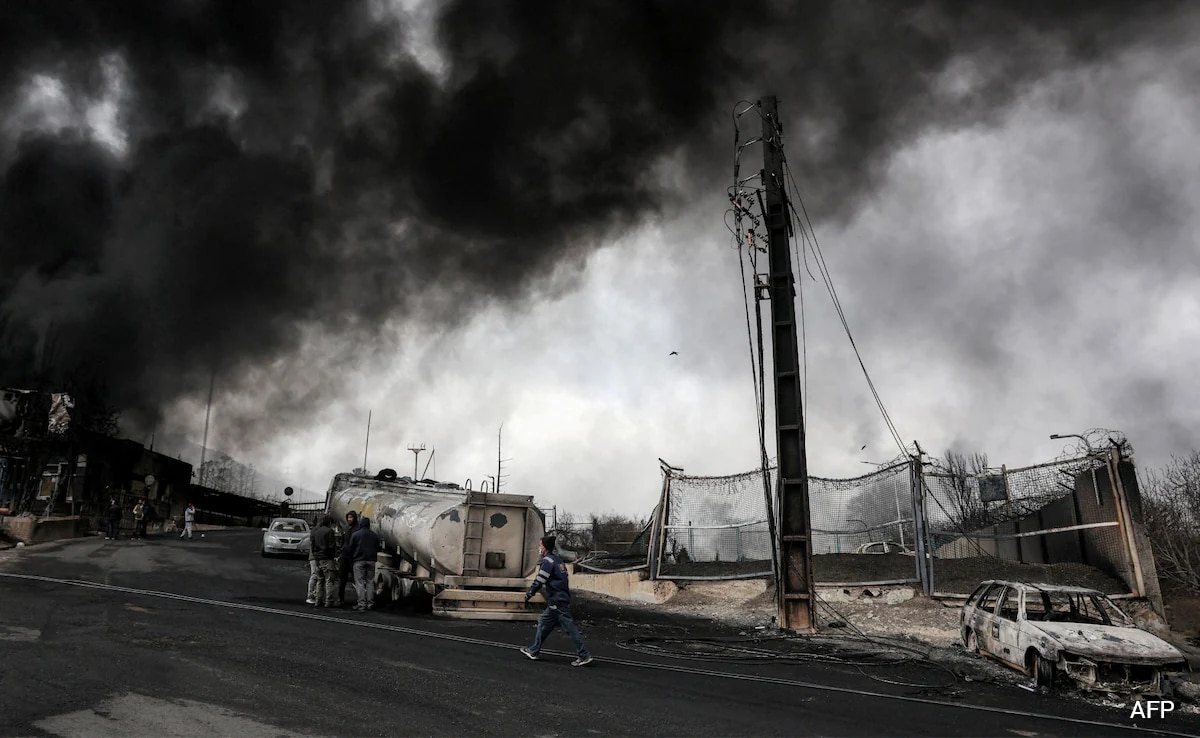
PM2.5 measured at 20.2 µg/m3 (~4x the WHO annual guideline) after strikes on Tehran oil depots and the Tehran refinery, with satellite imagery showing multi-site fires. Smoke and 'black rain' containing soot, oil particles, sulphur dioxide and volatile organics (benzene/toluene) raise acute respiratory and long-term cancer and cardiovascular risks and risk contamination of soil and water. The attacks increase operational and environmental risk to regional fuel infrastructure, with potential implications for energy supply, insurance and ESG liabilities in the region.
This event is a localized shock with outsized persistence risk because meteorology (inversions) and urban infrastructure magnify exposure — meaning economic and political effects will outlast visible fires by months. Expect municipal budgets in Tehran and nearby provinces to prioritize emergency healthcare, water remediation and urban cleanup contracts; that creates a multi-quarter procurement wave for filtration, water-treatment and hazardous-waste services.
Second-order supply effects: regional refiners and petrochemical converters will divert feedstock flows away from damaged Tehran sites, tightening specific intermediate streams (diesel/kerosene and light aromatics) in nearby export hubs — a margin opportunity for Mediterranean/Turkish refiners and a short-term headaches for traders relying on Iranian-origin cargoes. Shipping and P&I insurers face a near-term spike in claims and premiums on tank-cleaning, salvage and contaminated-cargo incidents; this accelerates repricing already in progress for midstream war-risk coverage.
Risk taxonomy and time horizons: days — air-quality headlines, hospital load and local lockdowns; weeks — inspection closures and re-routing of refinery flows; months — groundwater/soil remediation liabilities and persistent healthcare costs that could seed class-action / sovereign claim narratives. Catalysts that would reverse pressure: rapid diplomatic de-escalation, satellite-confirmed quick containment of fires, or an international remediation fund that short-circuits domestic procurement demand.
For portfolio construction, treat this as an idiosyncratic regional disaster with concentrated alpha in equipment/providers and selective macro directional exposure to energy and defense if escalation materially broadens. Size trades to event risk: tactical (options, 2–4% portfolio risk) for escalation bets, equity exposure (1–3%) for procurement/remediation plays with 6–12 month horizons.
AI-powered research, real-time alerts, and portfolio analytics for institutional investors.
Request DemoOverall Sentiment
strongly negative
Sentiment Score
-0.70
