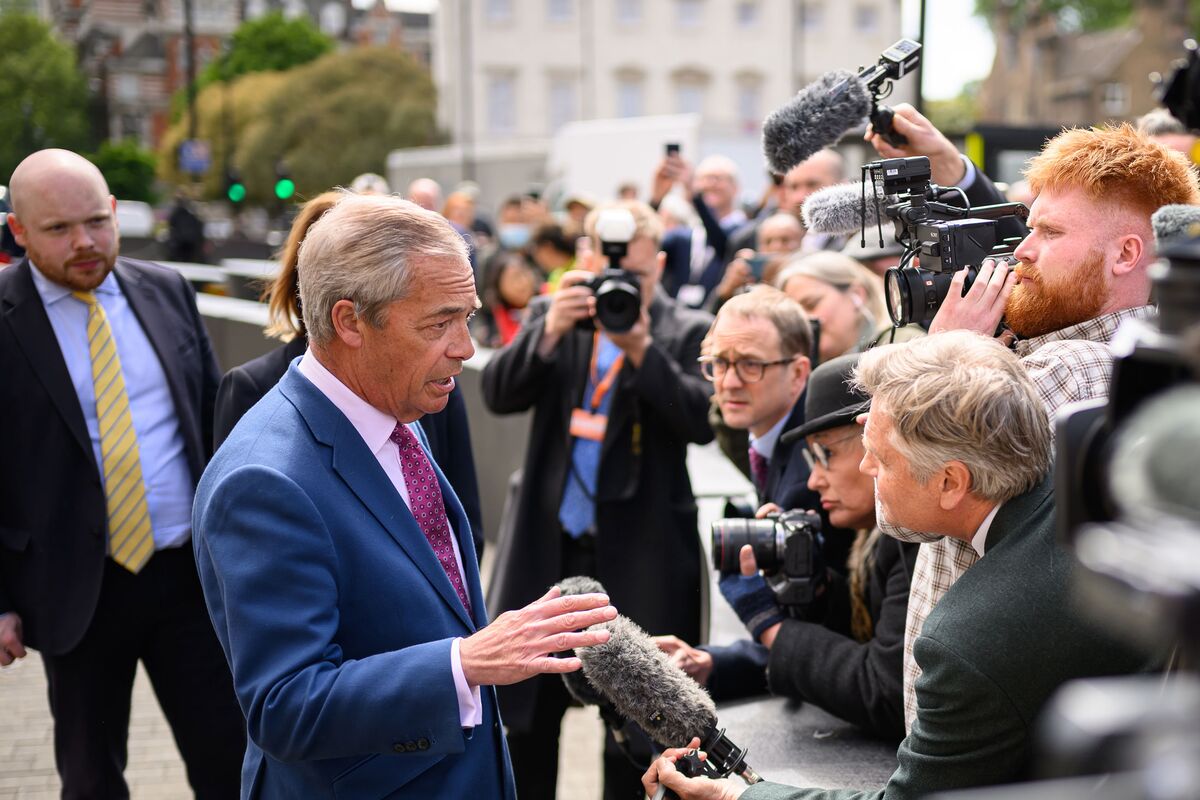
Nigel Farage's Reform UK party is proposing to scrap the limit on child benefits and reinstate utility-bill subsidies for the elderly, aiming to attract traditional Labour voters. These policies, to be detailed in a press conference, would be funded by abandoning net-zero emissions pledges, eliminating asylum seeker accommodation costs, and cutting quangos expenditures by 5%.
Nigel Farage's Reform UK party is outlining a distinct policy platform aimed at attracting traditional Labour voters, proposing to eliminate the existing cap on child benefits and fully reinstate utility-bill subsidies for the elderly. These significant social welfare expansions are reportedly to be funded through a radical reallocation of resources, specifically by abandoning the UK's net-zero emissions pledges, ceasing expenditure on accommodation for asylum seekers, and implementing a 5% reduction in spending on quasi-governmental agencies (quangos). This strategy signifies a potential major shift in UK fiscal priorities, deprioritizing environmental commitments in favor of increased welfare spending, and could have notable implications for specific economic sectors, the nation's climate goals, and overall fiscal policy should these proposals gain political traction.
AI-powered research, real-time alerts, and portfolio analytics for institutional investors.
Request DemoOverall Sentiment
mixed
Sentiment Score
0.00
