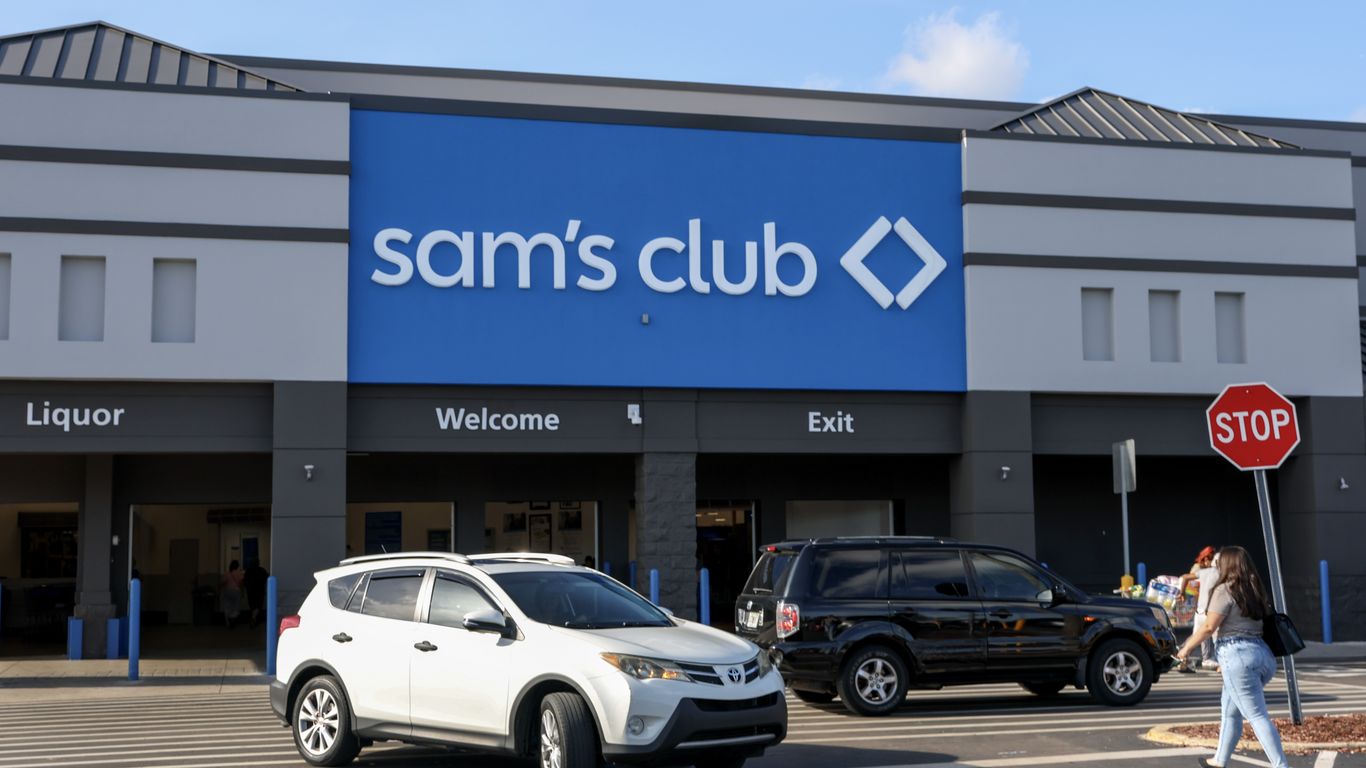
Sam's Club will raise annual membership fees effective May 1, 2026: standard club from $50 to $60 (+20%) and Plus from $110 to $120 (+~9%), while Plus members' Sam's Cash cap increases to $750 from $500 (+50%). The change — the first price increase since 2022 — is intended to fund investments in expanded hours, curbside pickup and delivery; current members will renew at the new rate on their next billing cycle. Price-sensitive consumers mean the move should boost membership revenue but carries risk of some churn.
The club-channel pricing action accelerates a multi-year shift in how large retailers monetize loyalty: recurring fees are effectively a high-margin, low-volatility annuity that management can deploy either to the P&L or to fund customer-facing reinvestments. Even modest roll-up of per-member revenue—if not entirely offset by churn—translates into outsized contribution to operating margin at the segment level because fulfillment and assortment costs are largely fixed at scale; think tens of basis points of consolidated margin for a single percentage point of net membership revenue gain.
Consumer sensitivity remains the key wild card. In an environment of sticky core services inflation and wage compression for lower-income cohorts, the elasticity of renewals will not be uniform: the bottom quintile of members will be most likely to lapse, while higher-spend tiers may respond by doubling down on value-added services (pickup, delivery). That segmentation creates a two-speed recovery in sales per member that will show up within one renewal cycle (weeks–months) and fully normalize over 6–12 months.
Second-order winners and losers are non-obvious: regional grocery chains and dollar stores could win incremental trips from churned, price-sensitive members in near-term convenience buys, while vendors of club-sized staples (private label and CPG bulk SKUs) will see mix shifts that pressure volume but improve average SKU margin. Logistics and labor cost exposure will tick higher as extended hours and curbside/delivery scale—expect modest margin headwinds from opex investment that management will pitch as ROI-positive but that will take 2–4 quarters to validate.
Key catalysts to watch are renewal-rate disclosures at the next billing wave, membership revenue line in the upcoming earnings, and any promotional countermoves from Costco or regional clubs. A reversal could come quickly if renewal trends show persistent declines or if competitors aggressively undercut with temporary promotions; conversely, steady renewal + higher basket per active member would support multiple expansion within 3–12 months.
AI-powered research, real-time alerts, and portfolio analytics for institutional investors.
Request DemoOverall Sentiment
mixed
Sentiment Score
0.00
Ticker Sentiment
