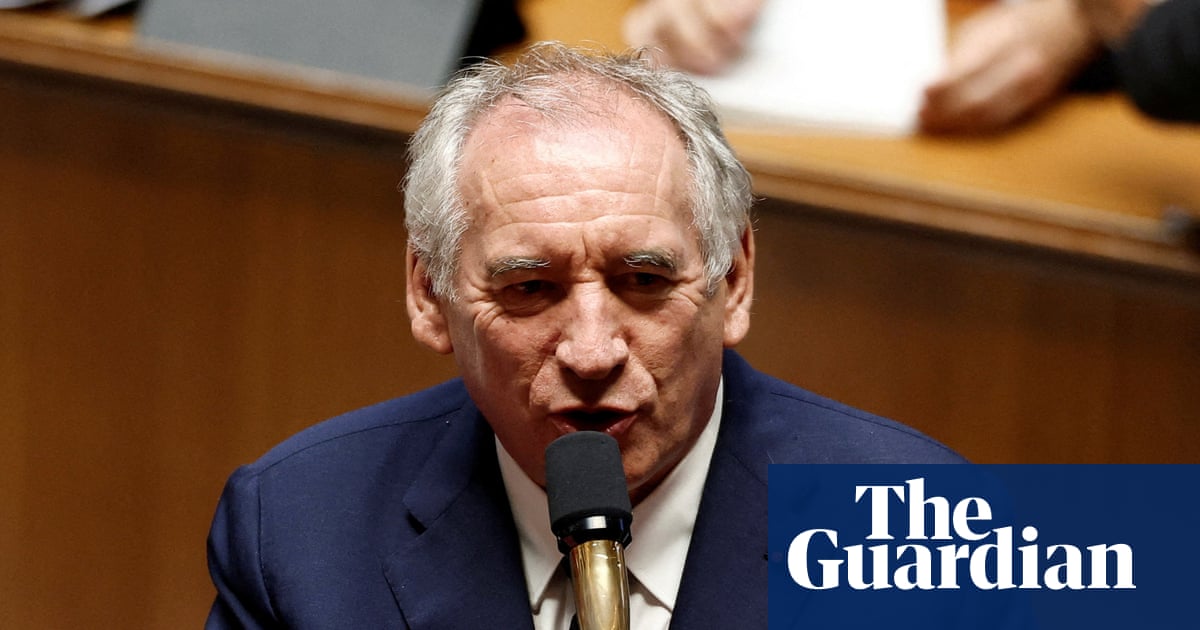
French Prime Minister François Bayrou's government collapsed after a confidence vote, marking the second such ousting in under a year and deepening political instability. His resignation, following failure to secure parliamentary backing for a crucial €44bn austerity plan to reduce public debt, ensures the shelving of his proposed budget measures. This ongoing political deadlock, stemming from a divided National Assembly without an absolute majority, significantly complicates President Macron's ability to pass the 2026 budget and implement fiscal policy, raising concerns for France's debt trajectory and broader economic stability amidst planned public protests.
The collapse of French Prime Minister François Bayrou's government following a failed confidence vote signals a severe escalation in France's political and fiscal instability. This is the second government to be ousted since the 2022 snap election, underscoring the persistent political deadlock stemming from a fractured parliament with no absolute majority. The immediate consequence is the definitive shelving of a proposed €44bn austerity package, a critical measure intended to address what the outgoing Prime Minister termed France's "inexorable swamp of debt." This failure to implement fiscal consolidation raises material concerns for the country's sovereign debt trajectory. President Macron now faces the difficult task of appointing a third prime minister in a year, with no clear path to securing a parliamentary majority capable of passing a 2026 budget. The deeply negative sentiment score (-0.75) reflects the gravity of this governance crisis, which is further compounded by planned public protests and strikes, threatening wider economic disruption and heightening uncertainty for French assets.
AI-powered research, real-time alerts, and portfolio analytics for institutional investors.
Overall Sentiment
strongly negative
Sentiment Score
-0.75
