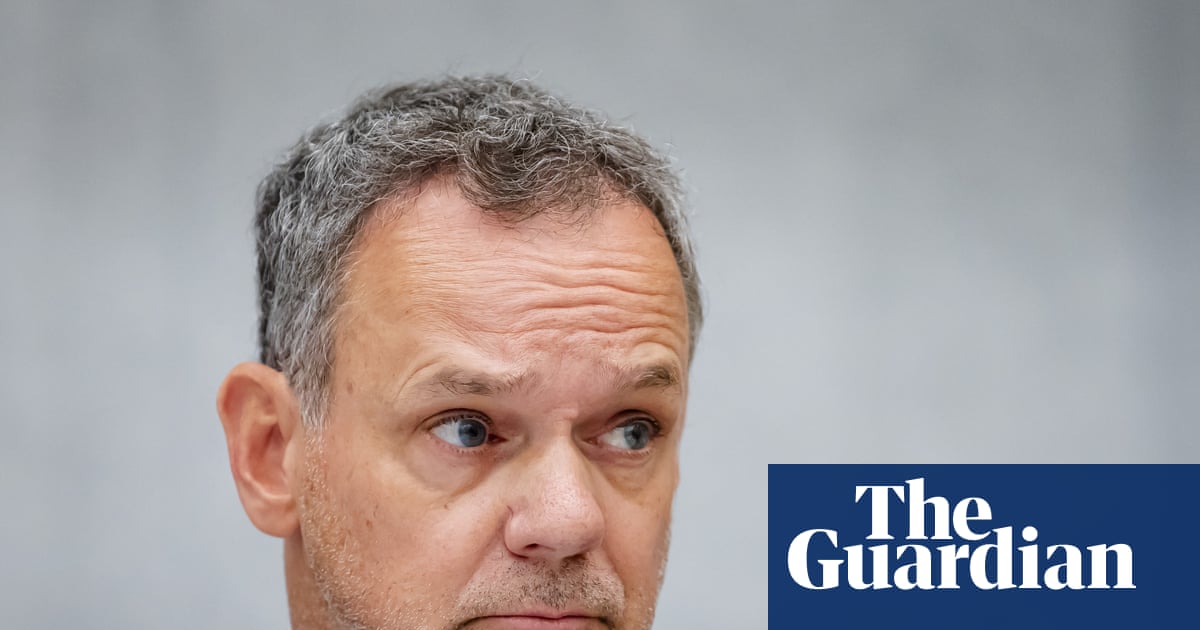
The Dutch Foreign Minister, Caspar Veldkamp, resigned after the cabinet failed to secure sanctions against Israel, further destabilizing the Netherlands' fragile caretaker government. Veldkamp's New Social Contract (NSC) party withdrew, citing coalition partners' refusal to address the "alarming situation" in Gaza following the Netherlands' condemnation of Israeli settlement plans. This internal political impasse underscores deepening divisions within the caretaker administration, which has been in place since June and faces an early election on October 29, potentially impacting Dutch foreign policy and broader geopolitical stances.
The resignation of Dutch Foreign Minister Caspar Veldkamp has fractured the Netherlands' already fragile caretaker government, amplifying domestic political instability ahead of the snap election on October 29. The immediate cause, a cabinet impasse over imposing sanctions on Israel, reveals a deep ideological schism within the coalition, pitting Veldkamp's New Social Contract (NSC) party against the centre-right VVD and populist BBB. This political crisis is unfolding amid significant public pressure, evidenced by a recent protest of up to 150,000 people, and a dire humanitarian context highlighted by a UN-backed famine declaration for Gaza. The event underscores a period of heightened policy uncertainty, where the outcome of the upcoming election could significantly alter the Netherlands' foreign policy stance on sanctions and its role within the European Union's geopolitical framework.
AI-powered research, real-time alerts, and portfolio analytics for institutional investors.
Overall Sentiment
moderately negative
Sentiment Score
-0.50
