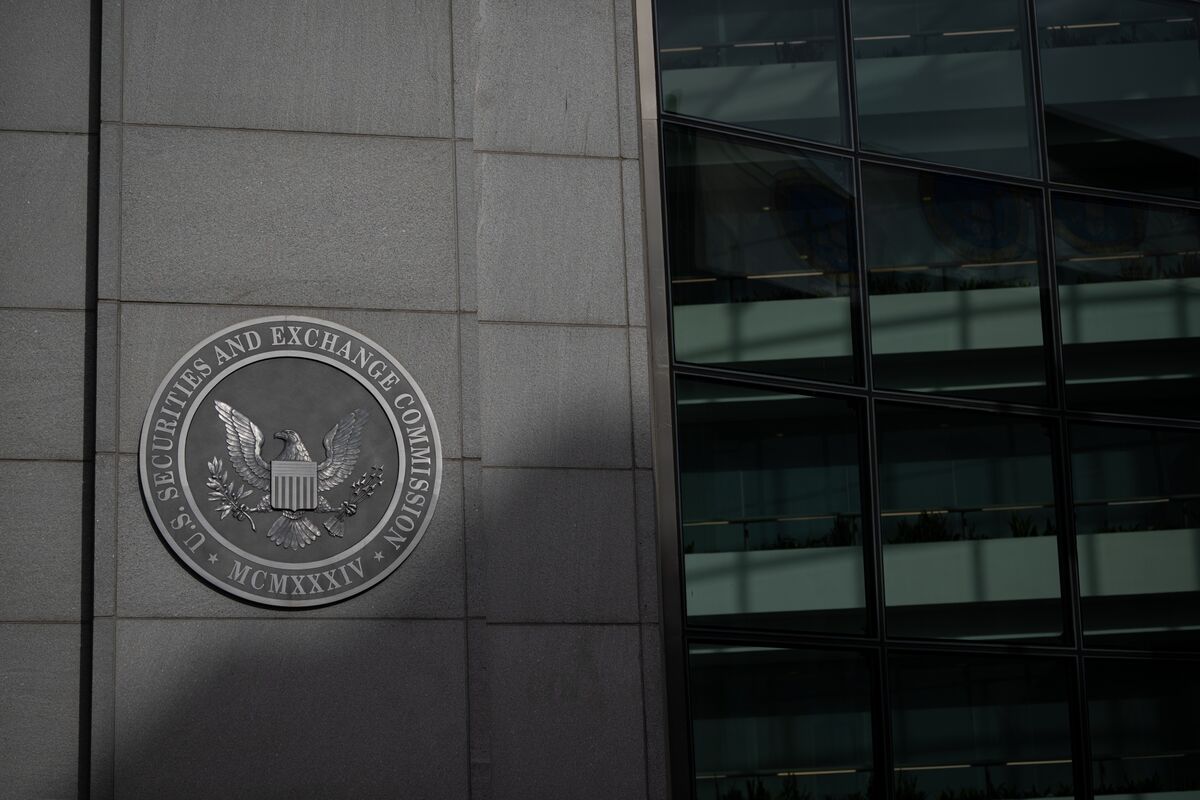
Almost two-thirds of analysts and portfolio managers in a CFA Institute survey said the SEC should keep mandatory quarterly reporting rather than move to twice-yearly disclosures. The article highlights investor resistance to a potential reporting overhaul, pointing to concerns about reduced market transparency. The immediate market impact appears limited, but the issue is relevant for disclosure standards and governance.
The market implication is not about disclosure frequency itself, but about who can arbitrage information gaps fastest. If reporting cadence is relaxed, larger buy-side platforms with alternative data, channel checks, and management access should gain a relative edge, while smaller managers and fundamental shops lose one of the few standardized inputs that levels the field. That creates a subtle but important competitive skew toward firms with stronger data infrastructure and toward companies with more stable earnings profiles that can tolerate less frequent formal updates. The second-order effect is likely to be a higher dispersion market, not necessarily a lower-information one. In that regime, winners are companies with durable narratives and low estimate revision sensitivity; losers are firms where quarterly beats/misses are a key part of valuation support, especially high-multiple cyclicals and story stocks. If disclosure is reduced, expect more pre-announcement activity, larger post-earnings gaps, and a greater premium on liquidity because positions become harder to defend between reporting dates. The main contrarian angle is that the pushback from professionals may end up preserving the status quo, so this is more of a policy-volatility trade than a structural regime shift for now. But if regulators continue to float simplification, the real catalyst is not implementation, it is the market repricing of transparency risk over the next 6-12 months: higher cost of capital for opaque issuers, a wider quality spread, and potentially a modest multiple compression for sectors where guidance already matters more than reported results. A reversal would come if the SEC frames any change as optional or if litigation/political pressure forces retention of quarterly reporting.
AI-powered research, real-time alerts, and portfolio analytics for institutional investors.
Request DemoOverall Sentiment
neutral
Sentiment Score
-0.05
