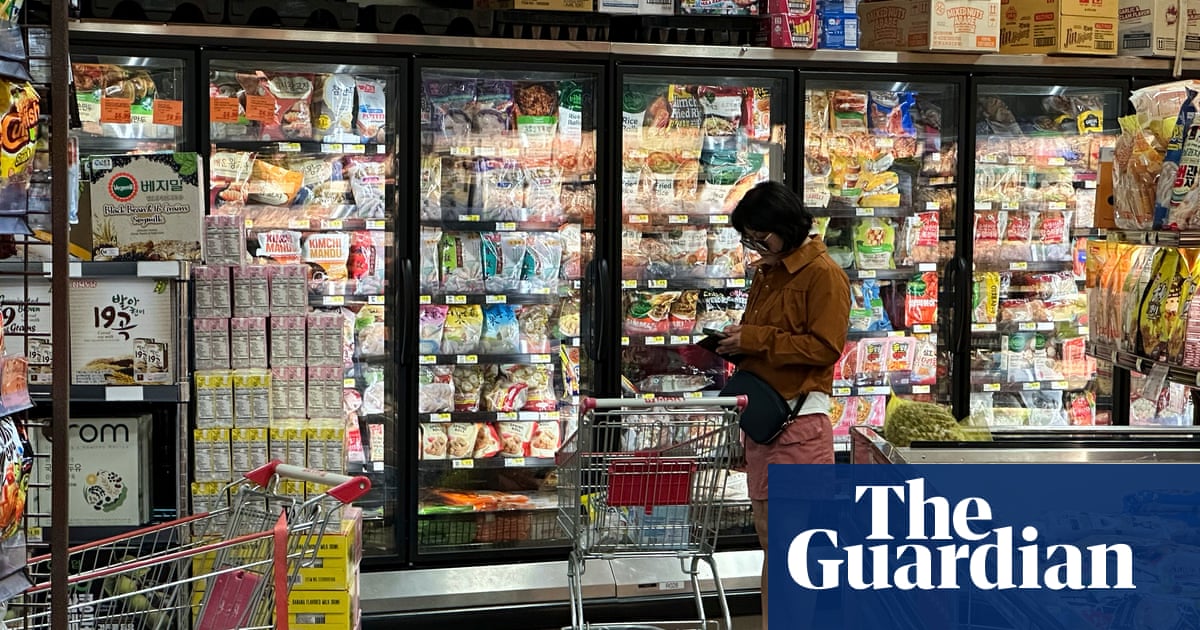
The U.S. economy is showing increasing signs of stagflation, characterized by slowing job growth and rising inflation, posing a significant challenge for policymakers. Recent data reveals a 258,000 downward revision in May/June job figures and an annualized inflation rate hitting 2.9% in August, the highest since January, alongside a rise in unemployment to 4.3%. This trend is largely attributed to the impact of immigration restrictions on labor supply and tariffs being passed on to consumers, complicating the Federal Reserve's efforts to balance economic stability, particularly as it considers potential interest rate cuts.
The U.S. economy is exhibiting clear signals of approaching stagflation, a high-risk scenario characterized by stagnant growth and persistent inflation. Recent economic data has reversed earlier optimism, with significant downward revisions to job creation figures, such as the 258,000 reduction for May and June, and a concurrent rise in the unemployment rate to 4.3%. Simultaneously, the annualized inflation rate accelerated to 2.9% in August, its highest level since January. This trend is attributed to specific policy actions, namely immigration restrictions constraining the labor supply and trade tariffs, which are increasingly being passed to consumers. An analysis from Goldman Sachs quantifies this risk, estimating that consumers could ultimately absorb 67% of tariff costs. This dynamic places the Federal Reserve in a precarious position, as its conventional tools are ill-equipped to combat rising unemployment and inflation simultaneously. A widely anticipated interest rate cut could fuel inflation, while holding or raising rates could exacerbate the economic slowdown, creating a highly uncertain outlook for monetary policy and asset valuations.
AI-powered research, real-time alerts, and portfolio analytics for institutional investors.
Overall Sentiment
strongly negative
Sentiment Score
-0.75
Ticker Sentiment
