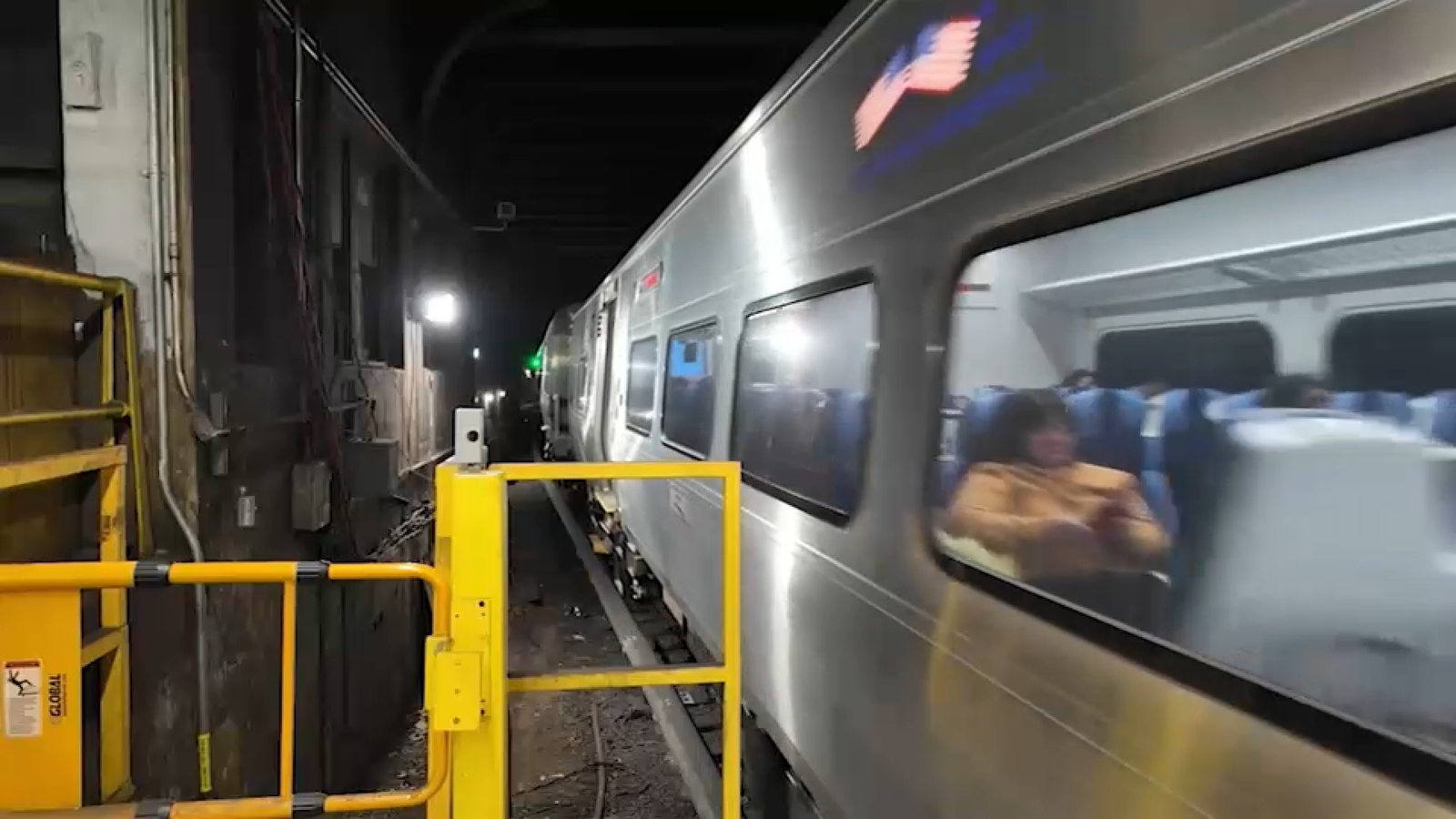
A fire in an East River tunnel near Penn Station has disrupted LIRR service, with most trains diverted to Grand Central Terminal for the morning rush and residual delays, reroutes, and cancellations expected. NJ Transit Midtown Direct service is being diverted to Hoboken Terminal, and Amtrak delays may also continue. No injuries were reported, but commuters face ongoing service interruptions while crews assess the cause and repair the tunnel.
The immediate market read-through is not the headline transit disruption itself, but the fragility signal for corridor reliability in the Northeast. PATH is a modest relative beneficiary on the margin because any repeated Penn Station outage pushes incremental riders toward alternative Manhattan access points, but the bigger second-order effect is reputational: if commuters begin to assume East River access is unreliable, mode-switch behavior can persist beyond the outage window and shift demand toward commuter rail competitors and remote work. For transportation operators, the key issue is duration, not the event. A one- or two-day disruption is mostly noise; a multi-day reroute increases operating complexity, raises missed-connection risk, and can trigger soft demand erosion into the following weeks. The more important tail risk is that infrastructure incidents tied to legacy repair work become a political funding catalyst, which is constructive for long-cycle rail and tunnel-capex names, but negative for near-term operators exposed to service reliability and customer satisfaction. The market is likely underestimating the asymmetry in the beneficiary basket. PATH itself has limited direct upside because it is capacity-constrained and already a known alternate path, while the real winner would be adjacent transit, parking, and last-mile providers that capture spillover commuters during repeated service interruptions. On the other side, rail operators face a small but real churn risk if premium-paying commuters decide that schedule uncertainty is now a structural feature rather than a one-off event. Contrarian view: the selloff in sentiment around transit disruptions is often overdone in the short run because riders have few substitutes on a day-to-day basis. That argues against chasing any broad short on rail-linked names unless the incident evolves into a weeks-long outage or broader infrastructure issue. The cleaner expression is a tactical trade on temporary diversion flows, paired with a longer-dated beneficiary of infrastructure remediation spending.
AI-powered research, real-time alerts, and portfolio analytics for institutional investors.
Request DemoOverall Sentiment
mildly negative
Sentiment Score
-0.22
Ticker Sentiment
