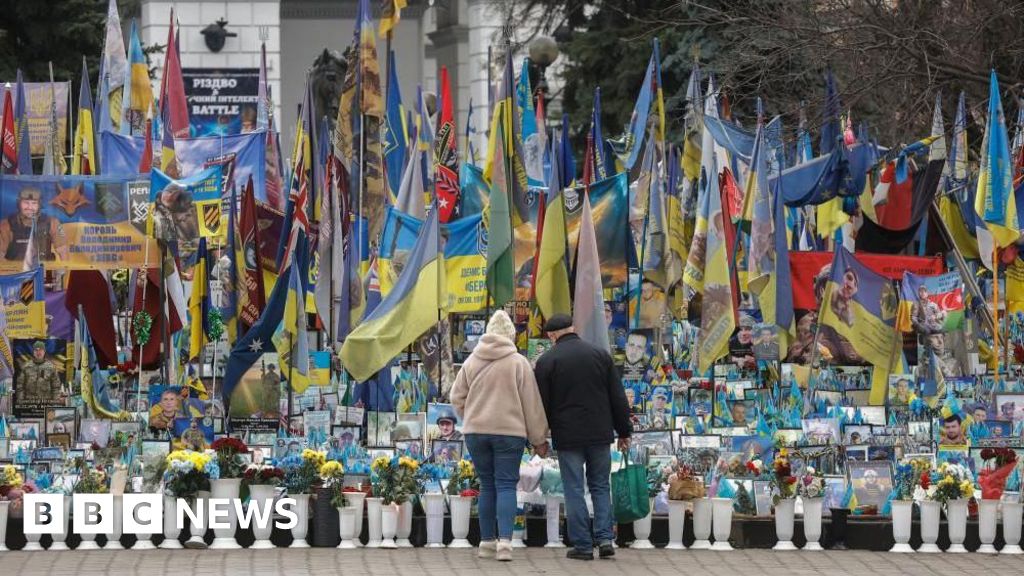
Russia returned 1,000 Ukrainian bodies to Kyiv in the latest exchange while receiving 38 in return, under a 2025 Istanbul agreement that envisages repatriation of 12,000 bodies and certain POWs; there has been no prisoner exchange since October 2025. Trilateral talks in the UAE were described as constructive but key territorial issues remain unresolved, including Russia's demand that Ukraine cede 25% of Donetsk, and hostilities continue — recent Russian drone strikes killed at least five in Kharkiv and intensified attacks on infrastructure have left many without heating or power. The developments sustain elevated geopolitical risk that could pressure regional assets and energy/infrastructure exposures and keep markets in a risk-off posture absent a substantive diplomatic breakthrough.
Market structure: Renewed kinetic activity and infrastructure strikes shift incremental share and pricing power to defense, airborne ISR, munitions and LNG shipping suppliers while pressuring European utilities, rail/logistics and Ukrainian sovereign credit. Expect multi-quarter procurement visibility for prime contractors (US names) and higher seasonal gas/fuel demand in Europe this winter — price sensitivity concentrated in TTF/LNG markets and short-cycle manufacturing inputs.
Risk assessment: Tail risks include rapid escalation (NATO involvement, Black Sea chokepoint closures) or major cyberattacks on grids — low probability (<10% next 6 months) but >3 standard-deviation market moves if realized. Immediate volatility window is days–weeks (spikes in energy, FX, sovereign CDS); medium term (3–12 months) could see re-pricing of EM/Ukraine debt and sustained defense order growth; long term (1–3 years) implies structural EU energy diversification and sustained defense budgets.
Trade implications: Prefer buy-and-hold exposure to large US defense primes for 3–12 months while hedging Europe via puts; favor long-term exposure to LNG shipping and storage if TTF forwards breach +25% vs last month. Cross-asset: buy US Treasuries and gold as tail hedges; expect RUB volatility and potential EUR weakness vs USD as European energy stress persists.
Contrarian angles: The market may over-rotate into small-cap domestic defense names; primes already price in war-premia so look for under-owned ISR/cyber suppliers and LNG midstream names with >20% implied upside. Prisoner exchanges and talks reduce probability of full escalation near-term — short-dated fear instruments can be expensive and mispriced if diplomacy progresses.
AI-powered research, real-time alerts, and portfolio analytics for institutional investors.
Request DemoOverall Sentiment
moderately negative
Sentiment Score
-0.60
