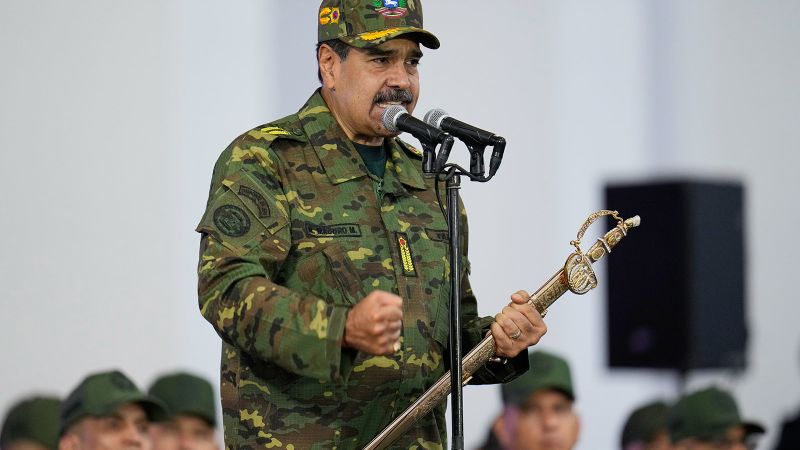
Venezuela has seen a spike in politically motivated repression amid escalating tensions with the United States, with rights group Provea reporting 54 detentions in October — its highest level since bilateral tensions began — and Vente Venezuela documenting 232 arbitrary detentions in 2025 so far (one every 32 hours) versus roughly 2,500 arrests across 2024. High-profile cases include enforced disappearances of members of the Hernández Castillo family, a 30-year sentence for Dr. Marggie Orozco, and reported detentions of military officers, coinciding with increased U.S. military presence in the Caribbean and heightened international pressure. The trend signals rising political and security risk that could further depress investor confidence in Venezuelan assets and increase the likelihood of external punitive measures or further geopolitical escalation.
Market structure: Political repression in Venezuela increases country-risk premia and tightens already constrained heavy-oil supply from PDVSA; winners are safe-haven assets (USD, gold) and energy suppliers able to shift heavy crude (tankers, refineries), losers are Venezuela sovereign and PDVSA creditors, regional EM credit and local-currency instruments. Cross-asset mechanics: expect EM sovereign spreads to widen +200–800bp in stressed episodes, USD appreciation, gold up 3–7% in 1–3 months, Brent volatility spike risk that could lift heavy-crude differentials.
Risk assessment: Tail risks include US military escalation or full financial blockade (low probability, high impact) that could push Brent +$15–30 and trigger mass defaults; another tail is rapid regime collapse causing asset seizures or chaotic production collapse. Immediate (days) = sentiment-driven FX/credit moves; short-term (weeks–months) = sovereign restructurings and CDS repricing; long-term (quarters–years) = protracted sanctions and chronic underinvestment.
Trade implications: Favor 1–2% tactical increases to GLD/TLT as hedges and buy protection on Venezuela/EM sovereigns via CDS or EMB put spreads (3-month). Avoid long positions in Venezuela-exposed credits/equities; reduce EM local-currency debt weights by 30–50% and increase USD cash or UUP exposure. Use options to express views: buy 3-month Brent call spreads or GLD call spreads and buy EMB 3-month put spreads to cap capital at defined premiums.
Contrarian angles: Consensus focuses on headline repression but underestimates collateral winners — shipping insurers, private security providers, and specialty heavy-crude refiners could see >10–20% revenue tailwinds if sanctioned oil shifts markets. Risk is market overreaction: if US avoids kinetic steps and pursues selective sanctions, credit spreads may retrace; opportunistic buyers of PDVSA bonds could capture outsized returns if recovery negotiations start, but only at distressed prices (<$0.30).
AI-powered research, real-time alerts, and portfolio analytics for institutional investors.
Request DemoOverall Sentiment
strongly negative
Sentiment Score
-0.60
