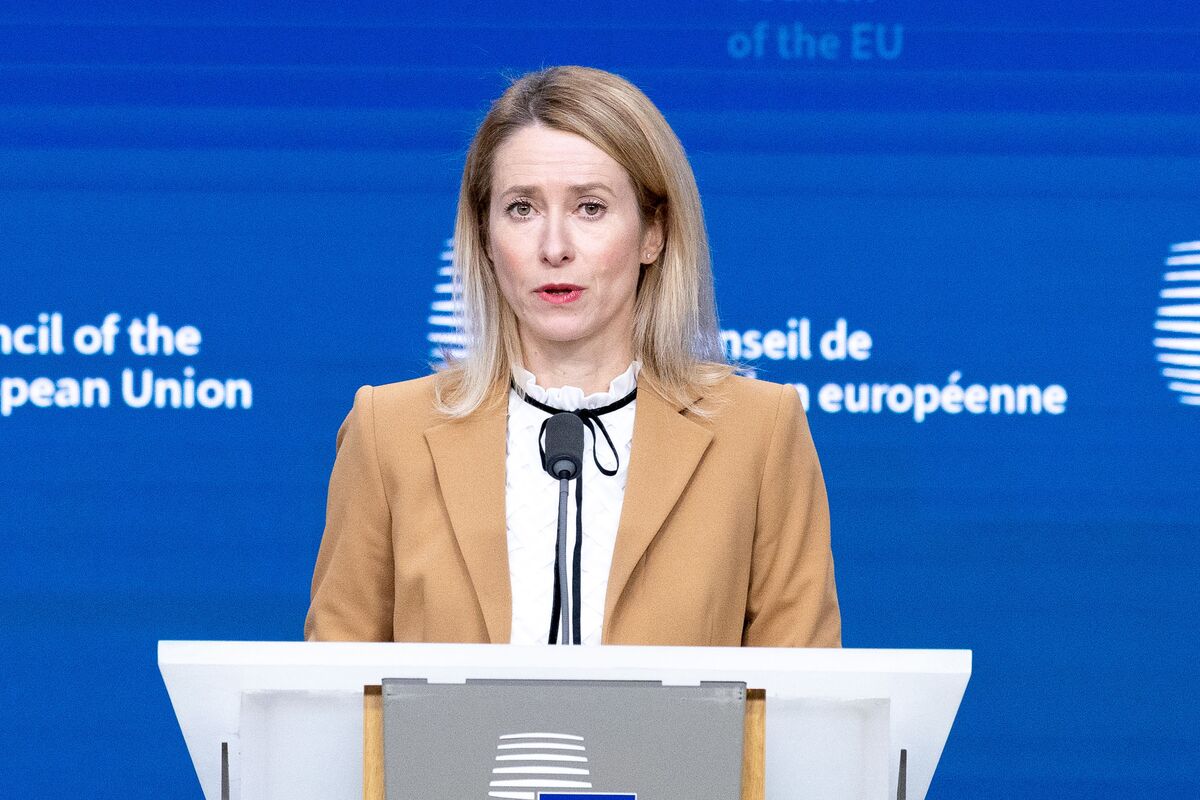
EU foreign policy chief Kaja Kallas warned that U.S. efforts to press Ukraine into a lopsided peace deal ahead of planned talks with Moscow risk rewarding Russian aggression, saying pressure would fall on the weaker party and could amount to forcing Ukrainian surrender. Her remarks come as Kyiv’s allies brace for a week of negotiations intended to end Russia’s invasion, highlighting a potential rift in allied strategy and elevating geopolitical risk for investors monitoring European security and policy cohesion.
Market structure: A forced or lopsided settlement narrative benefits defense contractors (LMT, GD, RTX) and energy exporters while hurting European cyclicals (airlines, autos, travel) and Ukrainian/EM assets. Expect pricing power to shift to suppliers of materiel and long-cycle energy (spot Brent upside risk) while short-cycle demand-exposed names see margin compression within 1–3 months.
Risk assessment: Tail risks include rapid escalation (oil >$120/bl, EUR volatility, SWIFT-style sanctions) and a diplomatic breakdown that triggers capital flight to USD, JPY, gold, and 10y Treasuries; probability medium but impact high over weeks–months. Hidden dependencies: EU political cohesion and sanctions coordination—if EU resists US pressure, downside for a rushed peace trade; key catalysts are next 7–30 days of talks and public EU/US statements.
Trade implications: Expect safe-haven bid in bonds (10y yields down 20–40bp in acute episodes), DXY strength, gold outperformance, and higher realized equity volatility (VIX +5–10 pts intra-month if talks fail). Tactical plays: long defense and commodities, hedge with bond duration and VIX call spreads; short travel/leisure and selected European banks with Russia exposure for 1–6 months.
Contrarian angles: Consensus may overreact to headlines and underprice structural upside for defense/industrial suppliers from sustained higher EU defense budgets (6–12 month re-rating). Conversely, an EU-led diplomatic brake would create a rapid unwind in oil/defense, so size positions to predefined triggers (talk outcomes, Brent thresholds) to avoid regime-timing losses.
AI-powered research, real-time alerts, and portfolio analytics for institutional investors.
Request DemoOverall Sentiment
moderately negative
Sentiment Score
-0.35
