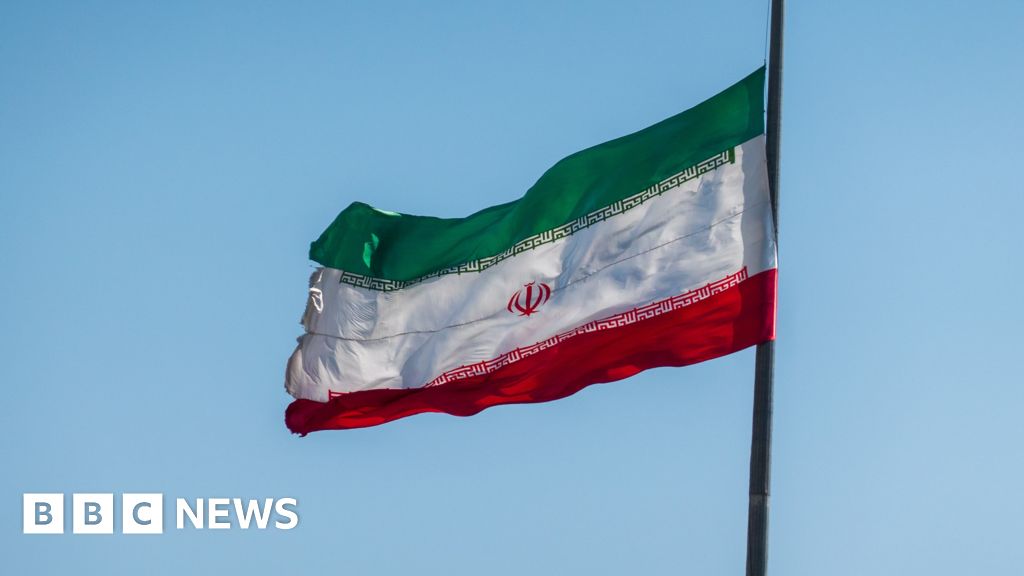
Norway-based Iran Human Rights reports at least 1,500 verified executions in Iran up to early December 2025, more than double the 975 verified in 2024 (and up from ~520 in 2022 and 832 in 2023). The NGO says ~99% of executions are for murder or drug offences, authorities do not publish official totals, and the recent surge follows the 2022 domestic protest movement and escalations after the June conflict with Israel and regional proxy setbacks. The sharp rise signals heightened political repression and geopolitical risk in Iran, increasing country-risk and potentially deterring investment and engagement in the market.
Market structure: The reported surge in state violence increases geopolitical tail risk for the Middle East, benefiting safe-havens (USD, USTs, gold) and defense contractors while hurting regional EM credit, airlines, and shipping/reinsurance. If escalation threatens the Strait of Hormuz, pricing power shifts to OPEC producers and integrated oil majors (positive cashflow shock); narrow-market participants (regional banks, tourism, local-currency bondholders) face immediate shock absorption problems. Expect episodic liquidity vacuums in EM FX and credit — bid/offer spreads widen 50-200bps on stress spikes.
Risk assessment: Tail scenarios include a direct Iran–Israel/US kinetic escalation or major attacks on tanker lanes which could push Brent >$120/bbl (high-impact, <20% probability near-term) or broad secondary sanctions that freeze regional banking corridors (looser probability but multi-quarter impact). Near-term (days–weeks) watch for jump-to-risk events (proxy strikes, maritime incidents); short-term (months) the market prices risk into oil, gold and CDS; long-term (quarters–years) persistent sanctions or regime escalation could restructure regional capital flows and EM risk premia. Hidden dependencies: cross-border proxy networks (Iraq, Lebanon, Yemen) and third-party actors (Russia, China) that can amplify/contain shocks.
Trade implications: Tactical defensive positioning is warranted for 1–3 months with readiness to pivot. Expect gold and defensive equity/credit to outperform immediately; oil-sensitive equities outperform if Brent breaches $95–100 for more than two weeks. Options markets will reprice skew — expect 30–60% implied vol lifts in crude and regional FX; use defined-risk option spreads to monetize that.
Contrarian angles: The market often overshoots: past Middle East flare-ups produced 2–8 week oil spikes then mean reversion as spare capacity or diplomatic de-escalation restored supply; defense stocks frequently overshoot fundamentals after headlines. A disciplined counter-trend trade is to buy select EM hydrocarbons/commodity exporters on >15% sell-offs (Mexico, Norway-linked equities) and to short spikes in airline/reinsurance stocks when oil retraces below $85 within 6–8 weeks. Watch for policy responses (Saudi/UAE production increases, US diplomacy) that are catalysts for rapid unwind.
AI-powered research, real-time alerts, and portfolio analytics for institutional investors.
Request DemoOverall Sentiment
strongly negative
Sentiment Score
-0.60
