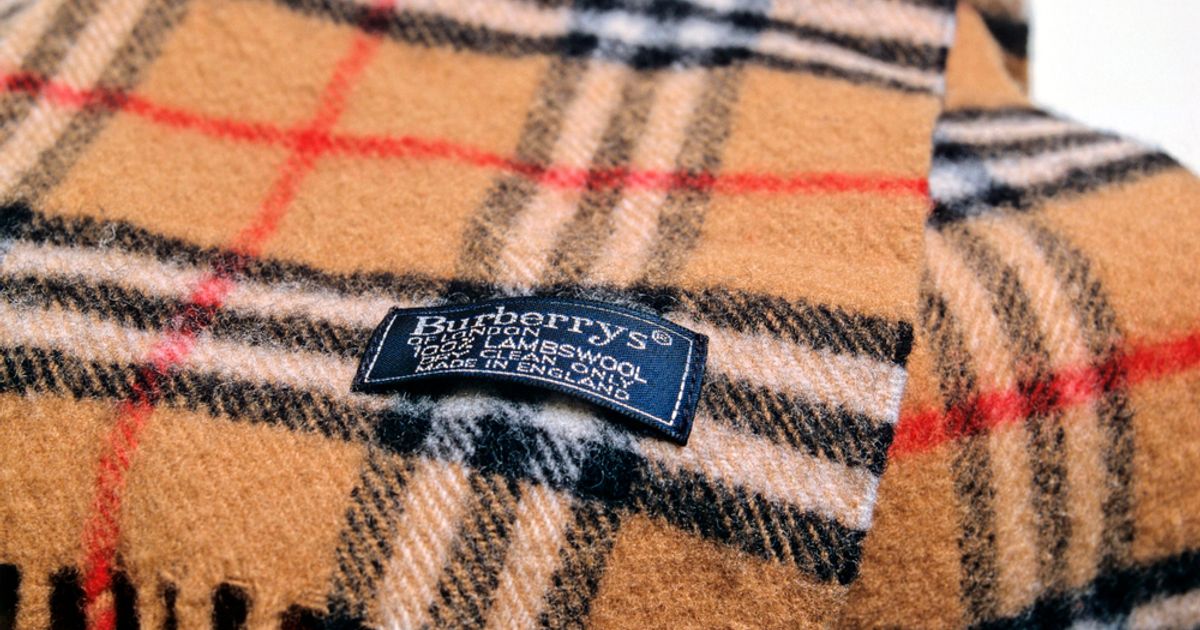
Barclays upgraded Burberry to overweight and raised its price target to 1,450p after the group delivered a second consecutive quarter of positive retail sales growth and a return to growth in China, signalling traction for CEO Joshua Schulman’s Burberry Forward turnaround. Analyst Carole Madjo sees momentum in revenue and earnings, forecasts 2027 EPS about 4% above consensus, and cites improving brand desirability, cost savings and operating leverage as drivers for margin expansion; shares, which have fallen ~30% over the past year, traded at 1,190p (+1%) in early trading, presenting Barclays as an entry point given the stock is still down roughly 50% vs three years ago when revenue was £3.0bn (vs Barclays’ FY26 revenue estimate of £2.4bn).
Market structure: Burberry’s upgrade crystalizes a wedge between mid-luxury “aspirational” players and ultra-luxury names — beneficiaries include BRBY (relative affordability) and other accessible-luxury brands; losers are high-ticket houses (LVMH/HRMS) if aspirational demand re-accelerates and tourists reallocate spend. The pullback (BRBY ~1,190p vs Barclays PT 1,450p) implies >20% upside priced for execution risk; improving China retail and Google Trends suggest demand recovery, easing inventory overhang and supporting margin expansion, which would tighten credit spreads for consumer discretionary issuers and lift equity vols compression in options markets.
Risk assessment: Tail risks include a renewed China consumption shock (monthly retail growth <+1% or new regulatory friction), aggressive discounting to defend share causing margin erosion >200bp, or CEO misexecution on wholesale/whitespace strategy. Near-term (days–weeks) risk: sentiment reversal around next trading update; short-term (3–9 months): FY26 retail cadence and margin proof points; long-term (12–24 months): brand desirability restoration versus permanent market share loss. Hidden dependency: recovery hinges on US/China aspirational cohort, not ultra-wealthy tourists — a structural audience shift vulnerable to macro and FX moves (GBP strength >2% YTD risks tourist spend).
Trade implications: Tactical long BRBY exposure with defined risk via option call spread (limited premium) or equity with stop; pair trade long BRBY vs short LVMH (MC.PA) to isolate brand-recovery alpha. If conviction is medium, buy 6–12 month call spreads (e.g., Jul/Sep 2026 1,200–1,500p) sized 1–3% portfolio to capture >20% upside to Barclays PT while capping downside. Rotate modestly into accessible-luxury retail ETFs and reduce top-end luxury cyclicals by 1–2%.
Contrarian angles: Consensus underestimates execution risk — Barclays’ 2027 EPS only +4% vs consensus, so much upside is sentiment-driven; the market may be underpricing potential brand impairment from over-distribution or discounting. Historical parallels (post-restructuring fashion turnarounds) show initial rallies can fade if comps slip; avoid full-weight positions until two consecutive quarters of China and US retail growth sustainably beat expectations.
AI-powered research, real-time alerts, and portfolio analytics for institutional investors.
Request DemoOverall Sentiment
moderately positive
Sentiment Score
0.45
Ticker Sentiment
