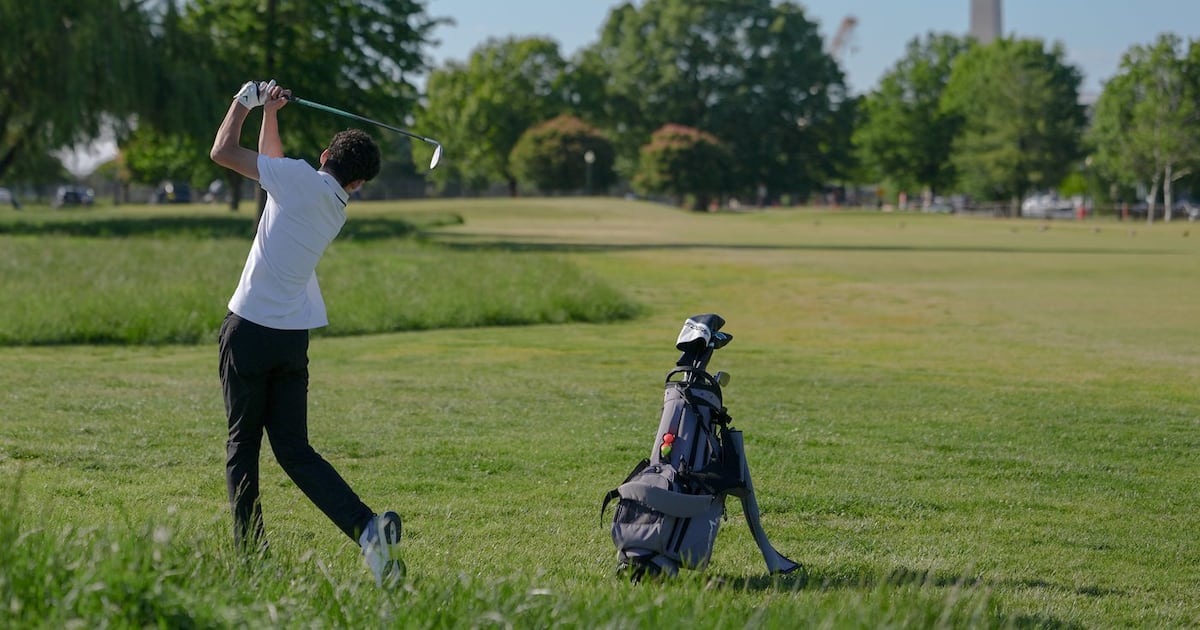
A judge in the Washington golf course dispute directed Trump officials not to cut trees without notice, indicating a procedural constraint in an ongoing legal fight. The article contains no financial figures or corporate operating updates, and the likely market impact is minimal.
This reads less like a property headline and more like a governance constraint on execution risk. A court-imposed pause on unilateral site work raises the probability of schedule slippage, legal cost creep, and design changes for any party trying to redevelop or monetize the land, which typically compresses near-term optionality and favors a wait-and-see posture over aggressive capex deployment. The second-order effect is on bargaining power: once tree removal, grading, or similar pre-construction steps require notice or judicial oversight, the project sponsor loses leverage to force a faster settlement and may have to negotiate around environmental, community, or municipal objections. That usually benefits adjacent landholders, local opposition groups, and any rival venue or development alternatives that gain time to organize, while hurting contractors and service providers whose revenue depends on an uninterrupted build schedule. The market implication is mostly in duration and financing. Any asset tied to the disputed site should trade with a higher legal discount rate until the injunction/notice framework is resolved; the bigger risk is that months of delay turn into a year-plus permitting reset, which can impair IRR more than the direct legal bill itself. The contrarian angle is that these disputes often look binary but are usually process-driven: if the parties can narrow the scope of restrictions quickly, the overhang can lift fast, making the selloff in project-adjacent value a potential overreaction rather than a permanent impairment.
AI-powered research, real-time alerts, and portfolio analytics for institutional investors.
Overall Sentiment
neutral
Sentiment Score
-0.10
