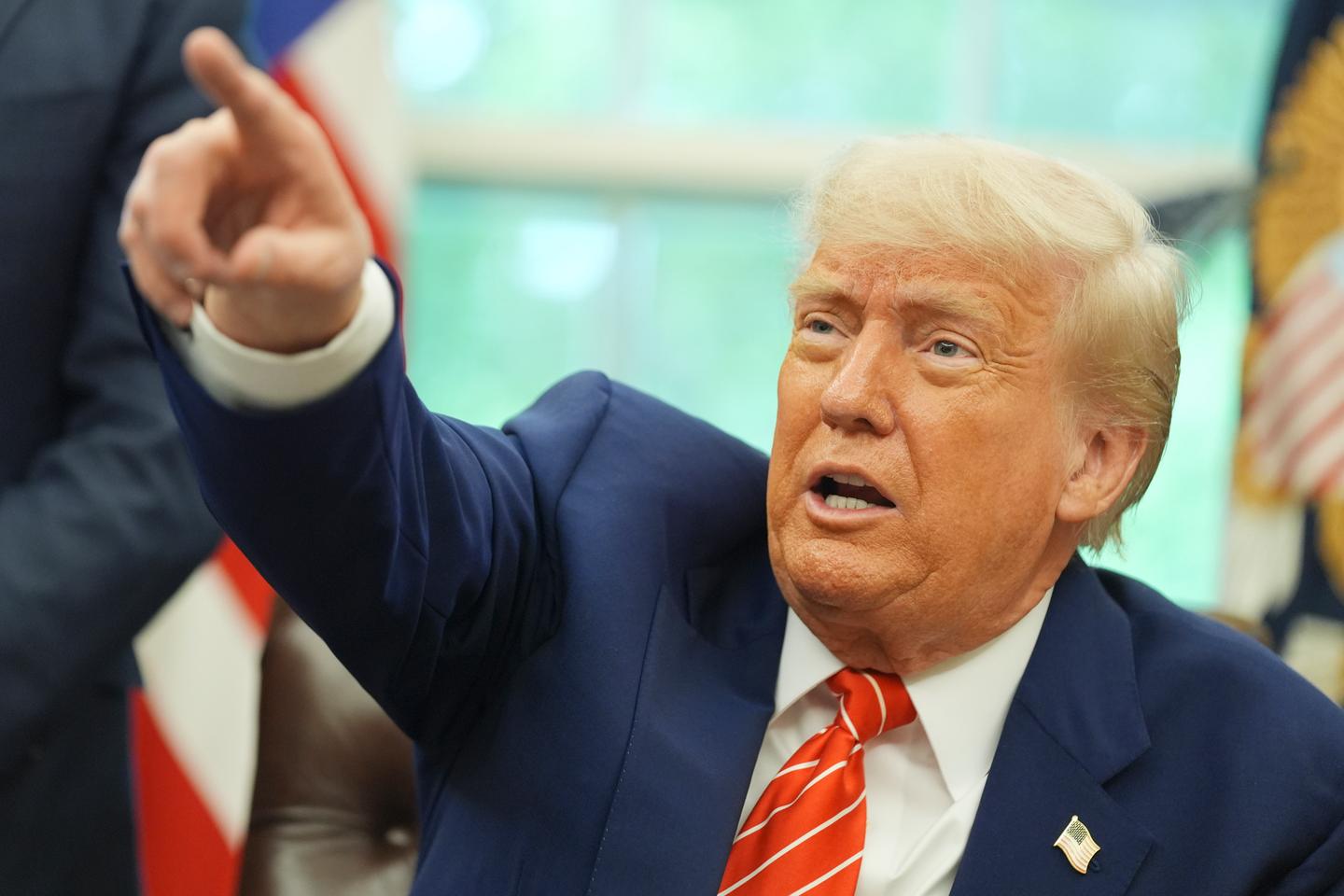
The Trump administration has partially retreated from recently imposed tariffs, suspending duties on China and reaching an agreement with the UK, yet tariffs remain significantly higher than levels seen three months prior. While tariffs on China have de-escalated from a potential 145% to 39%, they are still substantially above the 13% at the end of 2024, and US tariffs on the rest of the world average 14%, the highest since the 1930s, according to Barclays. Despite these concessions, Capital Economics warns that global trade is not "out of the woods yet," and the impact on trade and the possibility of a US recession remain concerns.
The US administration has executed a notable, albeit partial, retreat from its recently announced aggressive tariff stance, suspending some duties on China and forging an agreement with the United Kingdom. Despite these de-escalations, including a reduction in proposed tariffs on China from a potential 145% to a current 39% (still significantly above the approximate 13% at the end of 2024), overall US tariffs on global trade remain substantially elevated. Barclays calculates the current average US tariff at 14%, a stark increase from 2.5% three months prior and representing the highest level since the 1930s. The agreement with the UK, for instance, cancels 25% tariffs on steel, aluminum, and cars (within a 100,000 vehicle quota, matching 2024 export levels), but maintains a 10% tariff on other UK exports. This complex and still restrictive trade environment prompts warnings, such as from Capital Economics, that global trade is "not out of the woods yet," underscoring persistent concerns about a severe brake on US-China trade and the lingering possibility of a US recession. The situation signifies a potentially new, more protectionist era for global trade, even with recent concessions.
AI-powered research, real-time alerts, and portfolio analytics for institutional investors.
Overall Sentiment
Negative
Sentiment Score
-0.30
Ticker Sentiment
