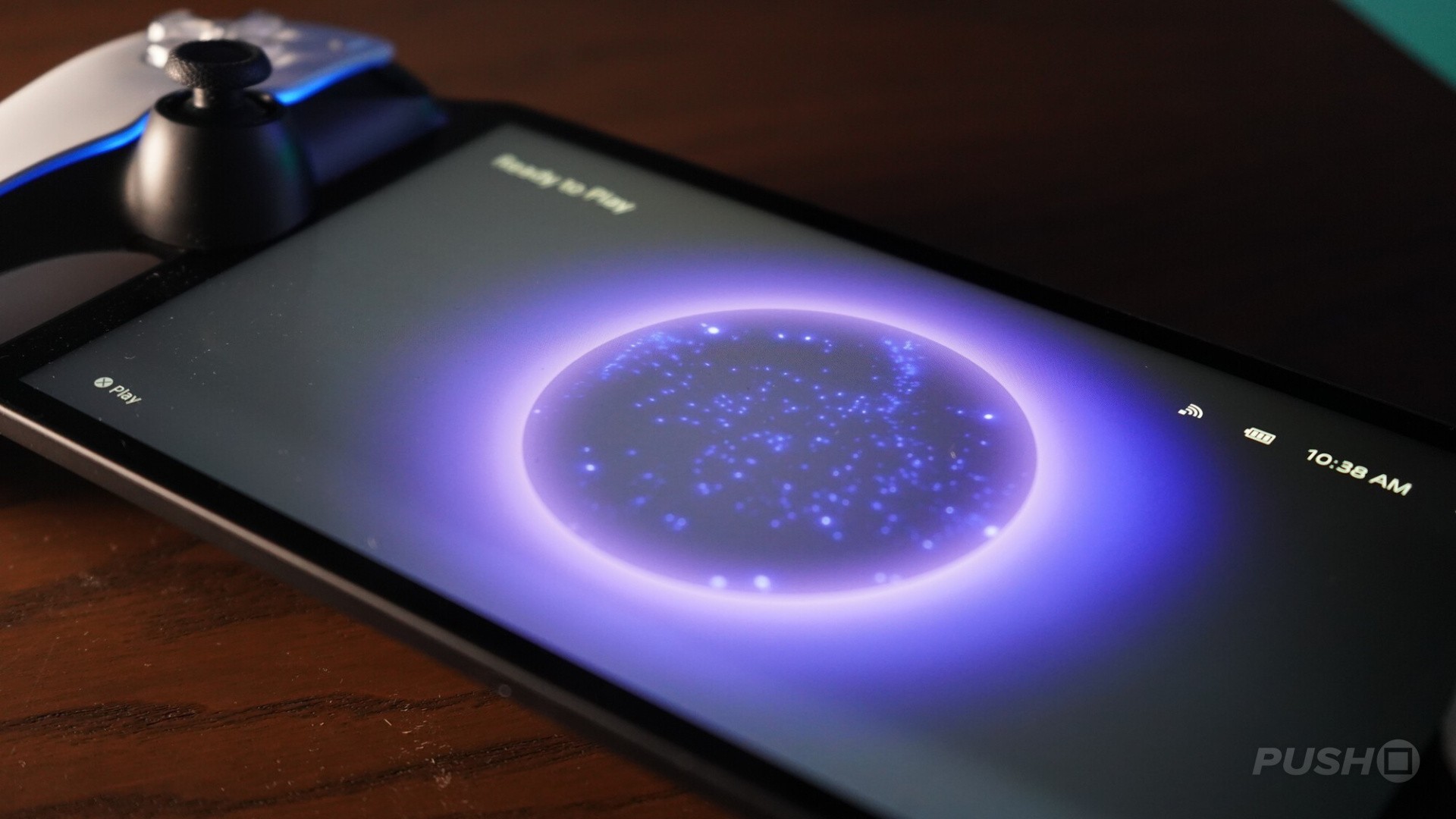
Sony has encouraged developers to adopt a newly added PS5 low-power mode, providing documentation and tips; analysis suggests some titles (e.g., Demon’s Souls) can sustain 60fps by lowering resolution, though many supported games still draw around 100W. The initiative has fueled speculation that the effort could be preparatory for a rumored PS6 handheld, but current power figures remain far above what a portable device would require, implying further chipset optimization or design changes would be necessary for a viable handheld SKU.
Market structure: A credible PS6 handheld narrative is a net positive for SONY (NYSE:SONY) and wafer fabs (TSM, AMD as APU supplier candidates) because it extends hardware cycles and raises SoC content per device; incumbents in pure handhelds (NTDOY) face margin and share pressure if Sony executes. Pricing power shifts toward platform owners and foundries — Sony can monetise software/services even if hardware margins compress, while TSM/AMD can push for higher ASPs if custom nodes are required. Supply/demand: expectation of new handhelds would increase demand for advanced nodes and battery cells by low double-digits (%) over 12–24 months, tightening supply and lifting capex-led orders this cycle.
Risk assessment: Tail risks include a failed handheld launch or battery/SoC yield shortfall causing a >10% downside to SONY equity in 3–6 months and inventory write-downs; regulatory or antitrust scrutiny of platform bundling is low probability but high impact. Immediate market impact is likely muted (days); rumours may catalyse 5–15% swings over weeks; meaningful fundamental effects materialise in 6–24 months as dev adoption and supply contracts reveal themselves. Hidden deps: developer uptake (>30% of top 20 titles adopting low-power mode within 6–9 months) and access to sub-20W SoC efficiency are binary.
Trade implications: Implement a modest directional and volatility structure: size 2–3% long SONY equity (12–18 month horizon) and buy a 12-month 10–25% OTM call spread to cap premium; add 1–2% long exposure to TSM (beneficiary of custom node wins). Pair trade: long SONY / short NTDOY (1:1 notional, 6–12 month horizon) to express handheld share shift. Options: consider selling short-dated calls if implied vol > realized vol after an earnings miss, or protective puts if inventory signs appear; set stop-losses at 8–12%.
Contrarian angles: The market assumes Sony handheld is imminent and will succeed; that misses costs of achieving sub-20W performance — current titles still hit ~100W, implying >4x efficiency gains needed. Reaction is likely underdone on supply-chain winners (TSM/AMD) and overdone on immediate Sony upside; historical parallel: Nintendo Switch ramped software-led growth after 6–12 months, not instantly. Unintended consequences include cannibalisation of PS5 console revenue and higher near-term capex, depressing margins before service revenue ramps.
AI-powered research, real-time alerts, and portfolio analytics for institutional investors.
Request DemoOverall Sentiment
neutral
Sentiment Score
0.00
Ticker Sentiment
