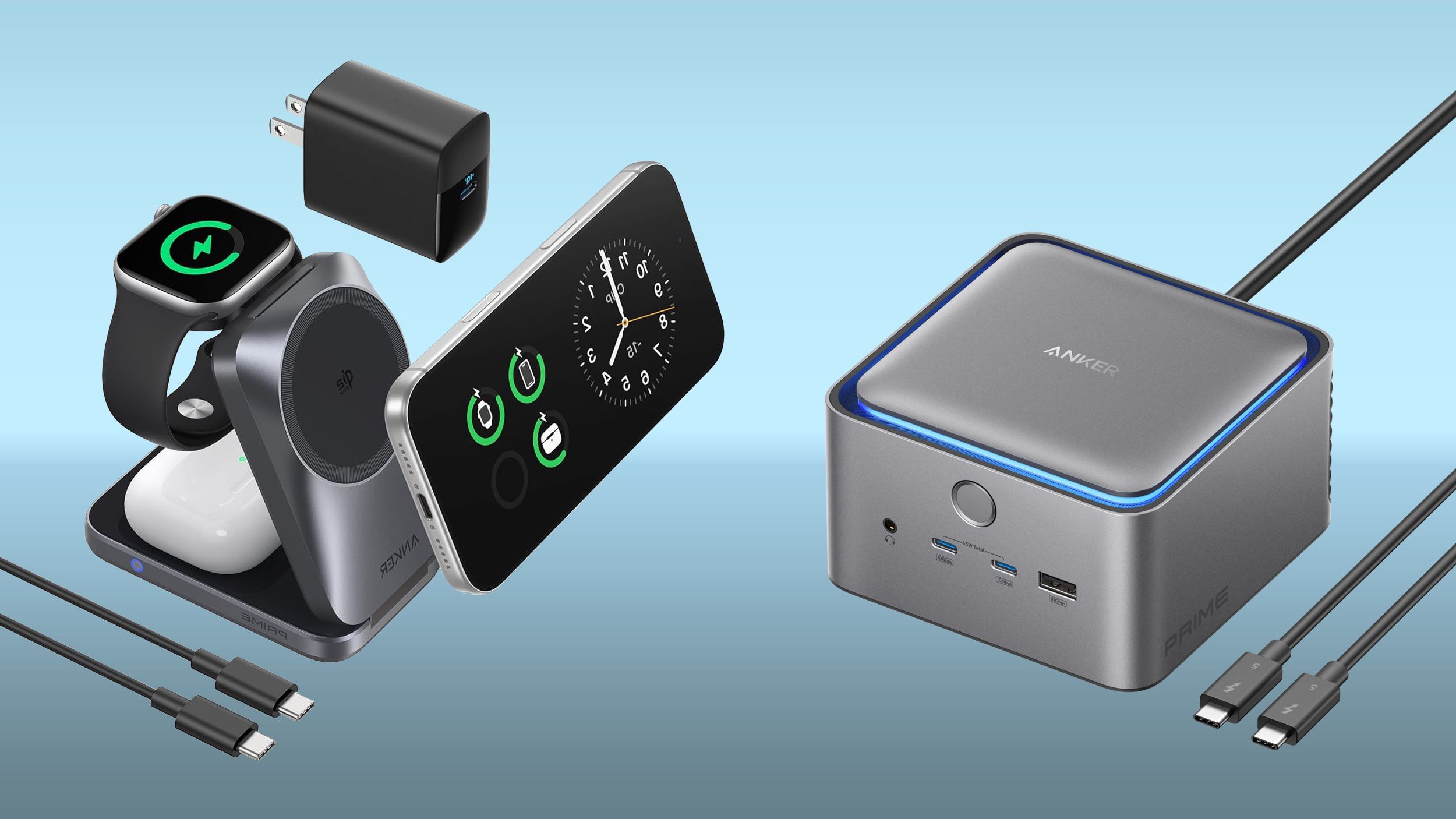
Anker launched the Prime 3-in-1 Wireless Charging Station with an on-page Amazon coupon bringing the price to $119.99 from $149.99; the device supports Qi2.2 and up to 25W MagSafe charging and can simultaneously charge an Apple Watch and AirPods. The piece also catalogs multiple concurrent Anker promotions — notably the Prime 14-in-1 Thunderbolt 5 Dock at $339.99 (from $399.99) and discounts across wall chargers, wireless chargers, and portable power stations — reflecting a promotional push that may modestly lift near-term retail demand and product visibility.
Market structure: Amazon (AMZN) and scale-first accessories (Anker-style suppliers selling via Amazon) are immediate winners — marketplace fee revenue and share gain from small independents will lift AMZN take-rate by a measurable amount during promo windows (estimate +20–50bps incremental GMV capture in short windows). Apple (AAPL) faces modest margin pressure on accessory TAM but device sales remain the dominant revenue driver; expect accessory ASP compression of ~5–10% in promo quarters versus prior year. Competitive dynamics: commoditization of chargers/power banks increases pricing power for large brands and retail platforms, compressing margins for sub-scale OEMs and raising return-on-capital thresholds needed to compete.
Risk assessment: tail risks include product-safety recalls (charging stations) that could create regulatory scrutiny and liability for OEMs and platforms within 0–6 months, and an antitrust/regulatory probe into marketplace favoritism for Amazon in 3–12 months. Short-term (days–weeks) effects are promotional and inventory-related; medium-term (quarters) effects center on holiday cadence and MagSafe adoption rates; long-term (years) hinge on Qi2 ecosystem standards and Apple’s accessory strategy. Hidden dependencies: third-party volumes are highly correlated with Apple device upgrade cycles and Qi2 adoption; a surprise Apple design change or proprietary licensing shift would materially reprice accessory universes.
Trade implications: tactical long exposure to AMZN captures marketplace monetization and promo-driven GMV uplift; structured exposure via call spreads limits downside while preserving upside into earnings/holiday season (target 3-month horizon). Hedge AAPL exposure with protective collars around major Apple events (90–180 days) to protect device risk while retaining upside. Reduce/avoid small-cap public consumer-electronics OEMs lacking diversified channels or >30% inventory-seasonality risk through the next two quarters.
AI-powered research, real-time alerts, and portfolio analytics for institutional investors.
Request DemoOverall Sentiment
mildly positive
Sentiment Score
0.30
Ticker Sentiment
Contrarian angles: consensus underestimates platform economics — marketplace take-rate gains from high-margin accessory verticals could lift AMZN EBIT by mid-single-digit percent in FY+1 if repeated across categories. The market may be underpricing recall/regulatory tail risk; size and timing of that risk (0–12 months) are non-linear. Historical parallel: accessory commoditization following smartphone standardization (2015–2017) favored scale retailers and pushed smaller OEMs into consolidation; expect M&A opportunities among accessory makers over 12–24 months.
