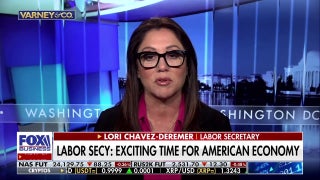
U.S. payrolls rose 178,000 in March (vs. 60,000 consensus) while average hourly earnings slowed to +0.2% month-over-month and +3.5% year-over-year (vs. 0.3%/3.7% expected), down from February's 0.4%/3.8%. Average weekly hours slipped to 34.2 (vs. 34.3 expected) and private-sector hourly pay was $37.38. Analysts say weaker wage momentum combined with higher gasoline prices is squeezing disposable income, weakening the consumer outlook and leaving the labor market more fragile with expectations of compressed wage growth into 2026.
The coexistence of still-robust hiring with softer wage momentum suggests employers are finding ways to expand payrolls without broad-based pay inflation, creating a window where profit margins can improve even as real household spending power drifts lower. Mechanically, firms can rebuild hours and headcount to meet demand without raising unit labor costs, which favors capex-light service providers and asset-light business models over wage-intense operators.
An exogenous energy shock (geopolitical risk to oil) acts like a regressive consumption tax that disproportionately hits discretionary categories and regional economies with long commutes; this amplifies downside for retail and leisure while creating idiosyncratic upside for refiners and short-cycle energy services. Policy-wise, the interplay between softer wage growth and rising headline energy prices raises the probability of a policy standoff — core inflation could stay tame enough to delay aggressive tightening, but headline volatility keeps the Fed reactive, compressing the window for a clean policy pivot.
Second-order winners include discount grocers, value retailers and refiners/refurbishers; losers are premium retailers, travel/leisure operators and discretionary services with high fixed labor cost. Watch indicators with lead information (weekly jobless claims, gasoline futures structure, and ISM services employment) as catalysts to distinguish a transient squeeze from a structural demand shift — reversals will be signaled by a sustained rebound in wage growth or a normalizing oil curve within 6–12 weeks.
AI-powered research, real-time alerts, and portfolio analytics for institutional investors.
Request DemoOverall Sentiment
mildly negative
Sentiment Score
-0.20
Ticker Sentiment
