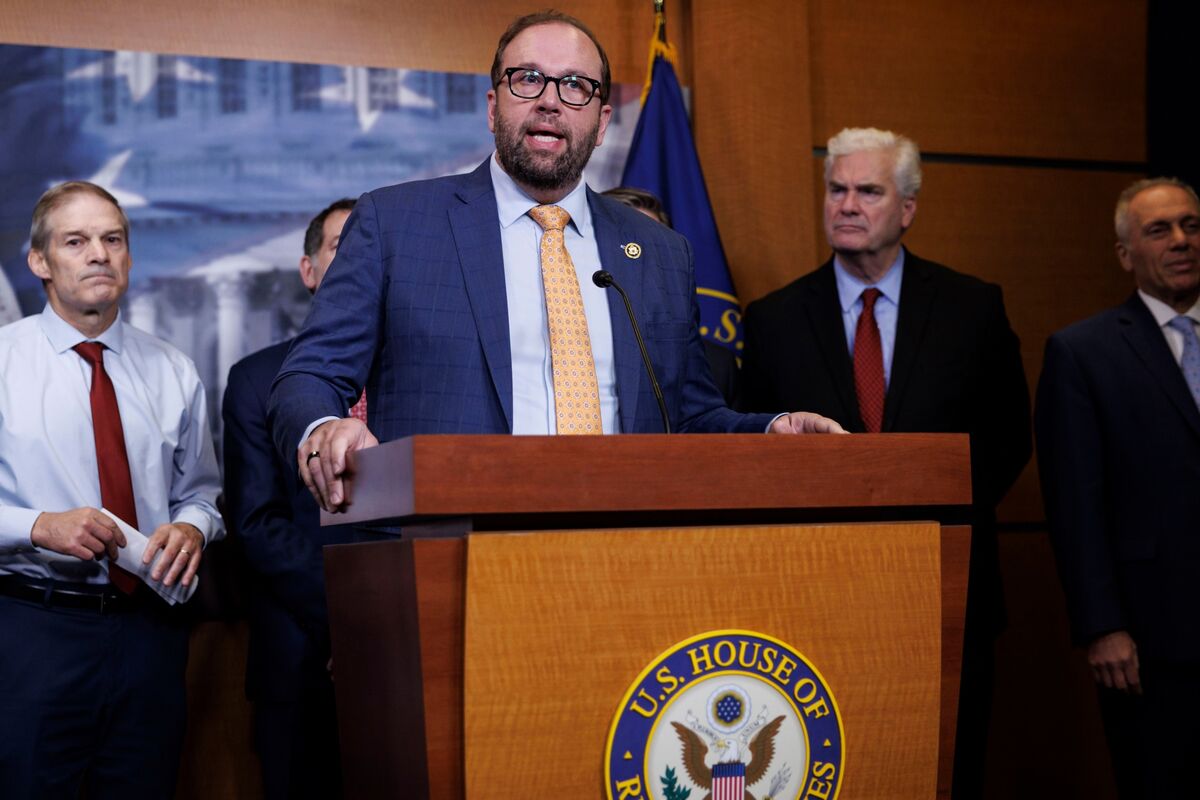
Congressional Republicans are leveraging the Trump tax law's structure to enhance their midterm election prospects, strategically front-loading larger tax refunds for voters before the polls while delaying cuts to social programs like Medicaid and food assistance until after the elections. This timing aims to mitigate early public disapproval of the tax law by ensuring voters experience immediate financial benefits prior to casting their ballots.
Congressional Republicans are implementing a fiscal strategy explicitly timed to influence midterm election outcomes. The core of this strategy involves front-loading the benefits of the Trump tax law, ensuring voters receive larger tax refunds immediately prior to the election period. This immediate positive financial impact is designed to counteract public disapproval of the broader tax legislation. However, these benefits are financed by planned reductions in social programs, including Medicaid and food assistance, which are strategically delayed until after the election cycle concludes. This disconnect in timing between the distribution of benefits and the implementation of spending cuts represents a calculated political risk, betting that the short-term tangible gains for voters will outweigh concerns about future fiscal austerity. While the immediate market impact is rated as low, the strategy highlights a significant interplay between fiscal policy and political maneuvering that could shape future government spending priorities.
AI-powered research, real-time alerts, and portfolio analytics for institutional investors.
Request DemoOverall Sentiment
mixed
Sentiment Score
0.00
