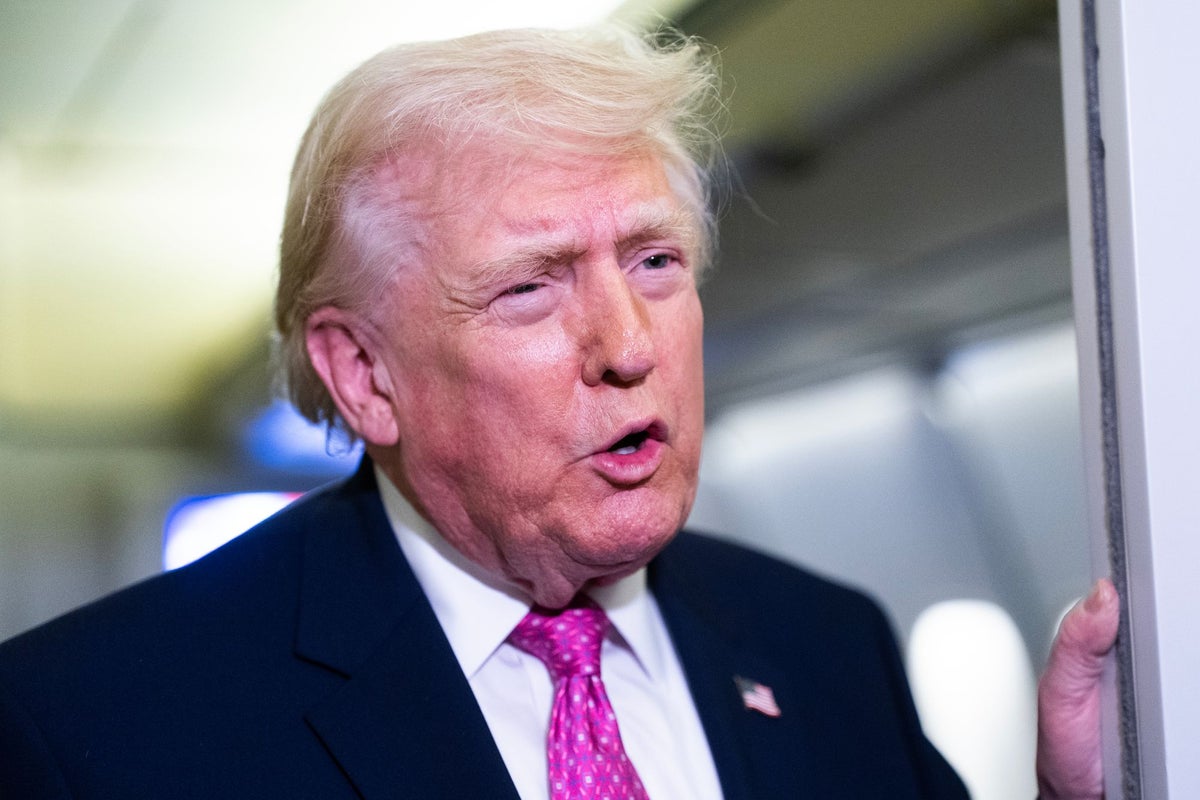
Multiple US allies—France, Italy and Spain—reportedly blocked or closed airspace to US military aircraft en route to the Middle East, prompting President Trump to denounce France as "very unhelpful" and warn the US may withdraw support. The incident elevates geopolitical risk tied to Iran-related operations and potential Strait of Hormuz tensions, likely boosting volatility in defense and energy sectors.
A fracturing of coalition support for forward military operations raises the probability of operational friction that is asymmetric across suppliers and timelines: near-term logistical costs (airlift reroutes, extended tanker legs, faster commercial-to-military conversion) will favor firms with spare lift and rapid-integration capabilities, while multi-year budget reallocation will benefit systems integrators that capture sustainment and munitions follow‑on orders. Expect procurement cycles to shorten for ready-made tactical systems and lengthen for program-of-record platforms; that reallocates margin capture toward Tier‑1 primes able to deliver off‑the‑shelf solutions within 3–12 months.
Energy and maritime second‑order effects are front-loaded: even modest tactical disruptions or perceived escalatory risk typically translate into a 5–15% spike in Brent/WTI volatility over days–weeks, and a sustained shift in routing/insurance can add $3–8/bbl to effective landed costs over quarters. Shipping and insurance rate moves (war‑risk premiums, rerouting) will disproportionally hit European importers and airlines with narrow margins; freight and tanker operators can see 10–30% swing in EBITDA within one quarter depending on route changes.
Market regime: risk‑off flows will reprice growth and FX differentially — USD/Treasury safe‑haven bids in the days following an escalation, while equities with direct government revenue exposure (defense, logistics, select industrials) will rerate higher faster than cyclicals. Reversal catalysts include clear diplomatic de‑escalation, rapid reopening of conventional air/sea corridors, or explicit budget freezes by Congress; these can unwind most excess risk premia within 30–90 days, so position sizing and time‑stops matter more than directional conviction.
AI-powered research, real-time alerts, and portfolio analytics for institutional investors.
Request DemoOverall Sentiment
mildly negative
Sentiment Score
-0.35
