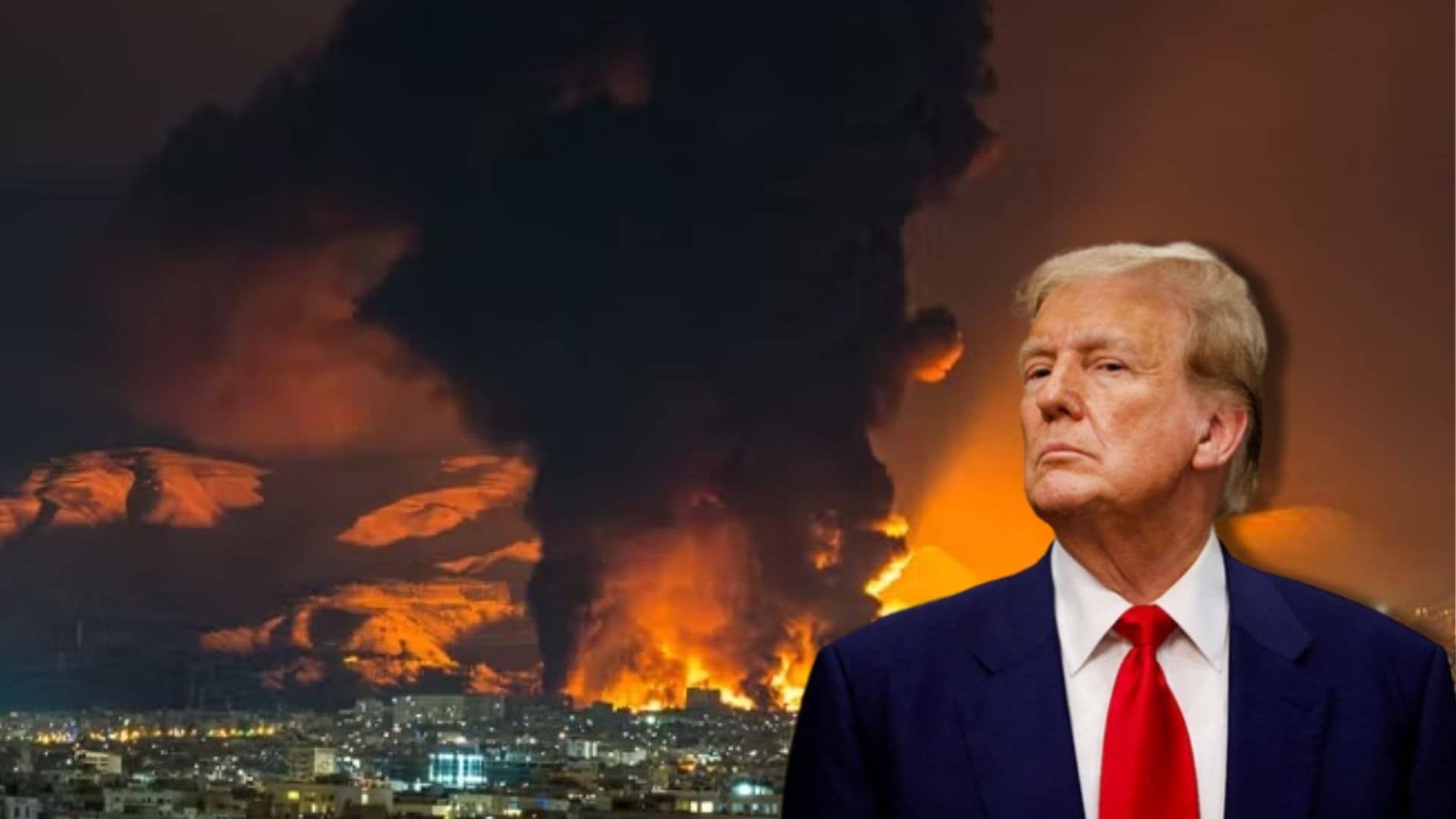
48-hour ultimatum from US President Trump was publicly rejected by Iran, which labeled the threat 'helpless' and vowed continued fighting; Iran also claims to have downed US aircraft and continues to block the Strait of Hormuz. The standoff is escalating, disrupting global oil flows and driving oil prices higher while diplomatic ceasefire talks have stalled and humanitarian impacts mount. Portfolio implications: elevated risk premia for energy and shipping, potential further spikes in oil and marine insurance costs, and a broader risk-off impact across global markets.
Escalatory rhetoric out of the Gulf is behaving like a volatility catalyst rather than a fundamentals shock — price and premium moves will concentrate in the front 1–6 months while real economy reconfiguration (supply chains, insurance, rerouting) plays out over 6–24 months. A meaningful (~10–20%) hit to seaborne crude throughput historically lifts Brent by roughly $8–15/bbl within days-to-weeks; the key transmission channels this time are war-risk surcharges, longer voyage distances (Suez/Bab-el-Mandeb rerouting), and accelerated drawdowns of commercial crude stocks.
Second-order winners are not only upstream producers but owners of tonnage and war-risk insurers: higher time-charter rates and war-premia directly flow to listed tanker owners and to reinsurers — a single $30–60k per-voyage war surcharge scales non-linearly across a modern VLCC fleet. Losers include air carriers and integrated logistics providers facing both higher fuel bills and persistent airspace disruptions, and refiners/geography-specific midstream assets that rely on seamless crude arbitrage through the Arabian Gulf.
Catalysts to watch: (1) any verified strike on fixed oil infrastructure or chokepoint closure (days); (2) SPR releases / coordinated OPEC moves or diplomatic “back-channel” ceasefires (1–6 weeks); (3) normalization if insurance markets absorb shocks and rates roll off (2–6 months). Contrarian vector: the market often overshoots on war-risk premia; if diplomatic channels show concrete progress in 2–4 weeks, front-month volatility should collapse and short-dated premium sellers will be rewarded.
AI-powered research, real-time alerts, and portfolio analytics for institutional investors.
Overall Sentiment
strongly negative
Sentiment Score
-0.80
