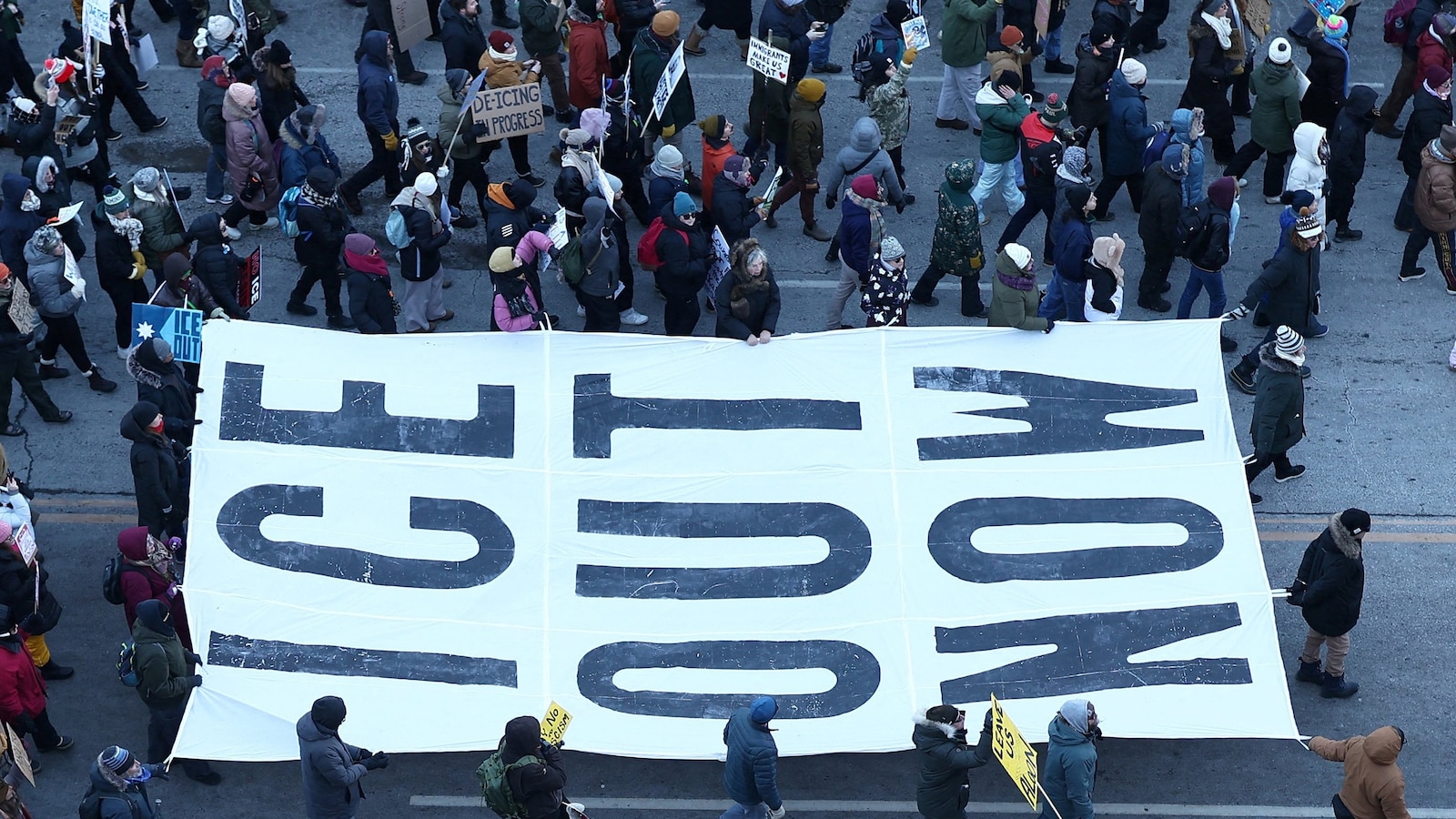
Nationwide anti-ICE protests followed two fatal shootings involving federal agents in Minneapolis — Alex Pretti was killed on Jan. 24 and Renee Good was shot earlier; both victims were 37-year-old U.S. citizens. Organizers called a national strike ("no work, no school, no shopping") with demonstrations and school walkouts in Minneapolis, Los Angeles, San Francisco and New York City, posing localized disruption risks; a New York Times/Siena poll found 61% of voters said ICE tactics had "gone too far" after Good's shooting. Arrests of independent journalists, including former CNN host Don Lemon, in connection with a disrupted church service have amplified tensions and could increase political and regulatory scrutiny of ICE enforcement.
Market structure: Short, localized disruption benefits media and legal services (news subscriptions, litigation advisory) while hurting urban-facing consumer and mobility firms. Expect a 1–4% short-term drop in foot traffic and weekday sales in protest hotspots for 3–14 days, a 1–3% lift in news site traffic/subs for 1–6 weeks, and small downward pressure on city retail REITs.
Risk assessment: Tail risk is escalation into multiweek unrest or federal policy changes that could reallocate law-enforcement budgets (2–5% GDP-impact unlikely but meaningful for municipal revenues). Immediate (days): tactical retail/mobility hits; short-term (weeks–months): subscription/news cycles and reputational/legal costs; long-term (quarters+): legislative/regulatory shifts and litigation expense trajectories. Hidden dependencies include local election calendars, insurance payouts, and crowd-control costs that can amplify budget stress.
Trade implications: Favor media exposure, hedge urban mobility/retail. Options traders should buy 30–60 day call spreads on beneficiaries and 30-day put spreads on rideshare names; rotate 1–3% portfolio weight from urban discretionary into staples and national e-commerce. Monitor concrete catalysts — multi-city protest persistence (>7 days across >5 cities), New York Times weekly subscriber growth >2%, or municipal revenue warnings — to scale positions.
Contrarian angles: The market may overprice persistent weakness in urban consumption; historically protests create shallow, concentrated retail hits while durable news/subscription bumps are transient. Risks to the bullish media trade include that subs growth is already baked in; conversely shorts in rideshare can be squeezed if protests abate quickly. Use tight, quantifiable stop-losses and trigger-based sizing.
AI-powered research, real-time alerts, and portfolio analytics for institutional investors.
Request DemoOverall Sentiment
mildly negative
Sentiment Score
-0.30
Ticker Sentiment
