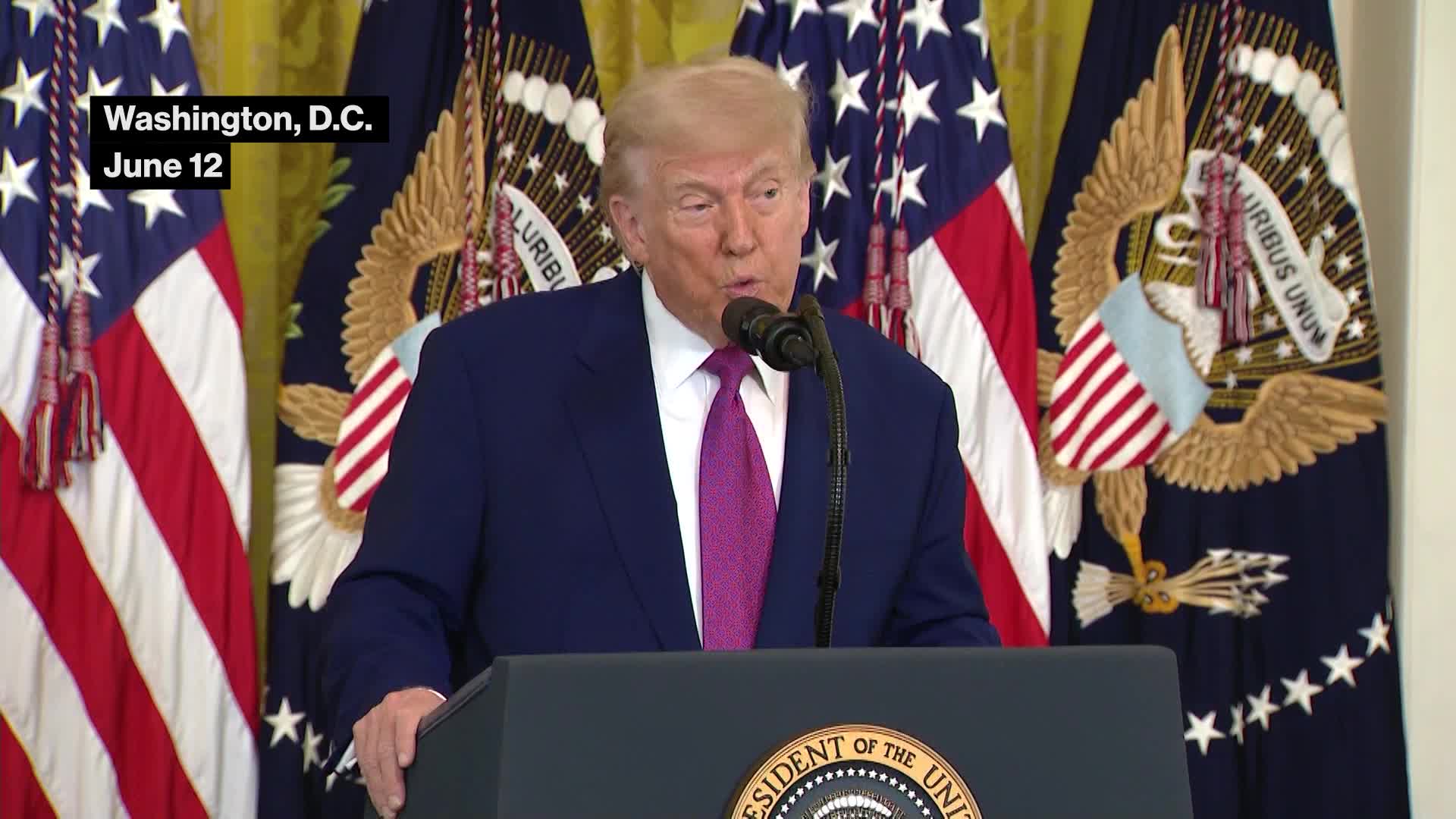
President Trump is considering raising US auto tariffs above the current 25% level, citing a need to protect domestic automakers; this action could escalate trade tensions with international partners and potentially impact the global automotive industry.
President Trump's indication that US auto tariffs may be raised above the current 25% level, with the stated aim of bolstering domestic auto manufacturing, introduces a significant potential for heightened trade tensions with international partners. This prospective policy shift is met with a 'moderately negative' sentiment (score -0.4) and an 'uncertain' tone, suggesting market apprehension regarding its implications for the global automotive sector and international trade stability. The 'market impact score' of 0.6 signals a moderate but notable potential for disruption, particularly affecting entities within the 'Automotive & EV' theme and impacting 'Trade Policy & Supply Chain' dynamics. The classification under 'Elections & Domestic Politics' also implies that such tariff considerations could be influenced by domestic political factors, adding complexity to the outlook.
AI-powered research, real-time alerts, and portfolio analytics for institutional investors.
Request DemoOverall Sentiment
moderately negative
Sentiment Score
-0.40
