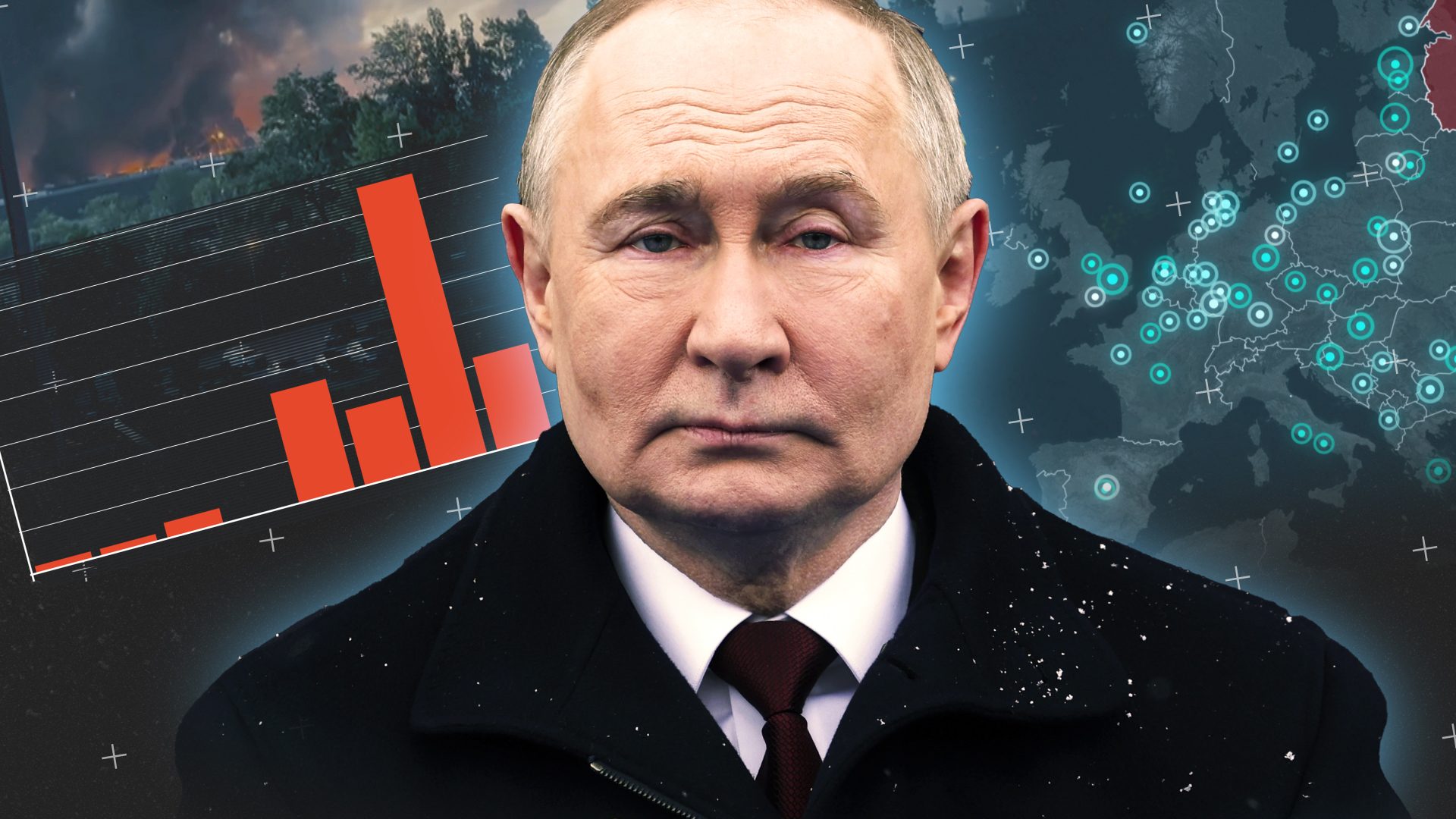
Russia is actively employing widespread hybrid warfare tactics across Europe, including sabotage, subversion, and psychological operations, utilizing proxies and organized criminals for plausible deniability. These actions, ranging from industrial sabotage and drone incursions to the destruction of critical infrastructure like undersea cables, aim to sow confusion, weaken European unity, and undermine support for Ukraine. While Western governments and NATO are beginning to implement countermeasures such as enhanced surveillance and anti-drone systems, the fragmented nature of the response and challenges in public awareness highlight a significant and evolving geopolitical risk that could impact regional stability and economic confidence.
Russia is actively engaged in a widespread hybrid warfare campaign across Europe, employing subtle yet sinister tactics including sabotage, subversion, and psychological operations. This strategy, characterized by incidents such as the foiled assassination of a German weapons executive, destruction of undersea cables, and drone incursions, aims to sow confusion, undermine societal trust, and weaken European unity, as articulated by former NATO head Lord Robertson and Atlantic Council fellow Elisabeth Braw. The Kremlin leverages proxies and organized criminals, a 'gig economy of spycraft,' to execute these actions, providing plausible deniability and making attribution challenging for Western governments. This approach, reportedly orchestrated by GRU's Andrei Averyanov, exploits existing societal divisions and aims to diminish support for Ukraine.
The Western response to these grey-zone aggressions remains fragmented, hampered by difficulties in unified attribution and a lack of public awareness regarding the scale of the threat. While NATO has initiated countermeasures like Operation Baltic Sentry and plans for enhanced anti-drone systems by 2027, internal political divisions and a reluctance to 'alarm people' hinder a cohesive defense. This creates a significant vulnerability for critical infrastructure and overall economic stability across the continent.
The ongoing nature of these unattributable incidents, as highlighted by Peter Pomerantsev, suggests a larger strategic pattern designed to create chaos and undermine confidence in democratic systems. The strongly negative sentiment and significant market impact associated with this geopolitical landscape underscore the material risks posed by Russia's evolving hybrid warfare doctrine, which could lead to further instability and economic disruption.
AI-powered research, real-time alerts, and portfolio analytics for institutional investors.
Request DemoOverall Sentiment
strongly negative
Sentiment Score
-0.75
Ticker Sentiment
