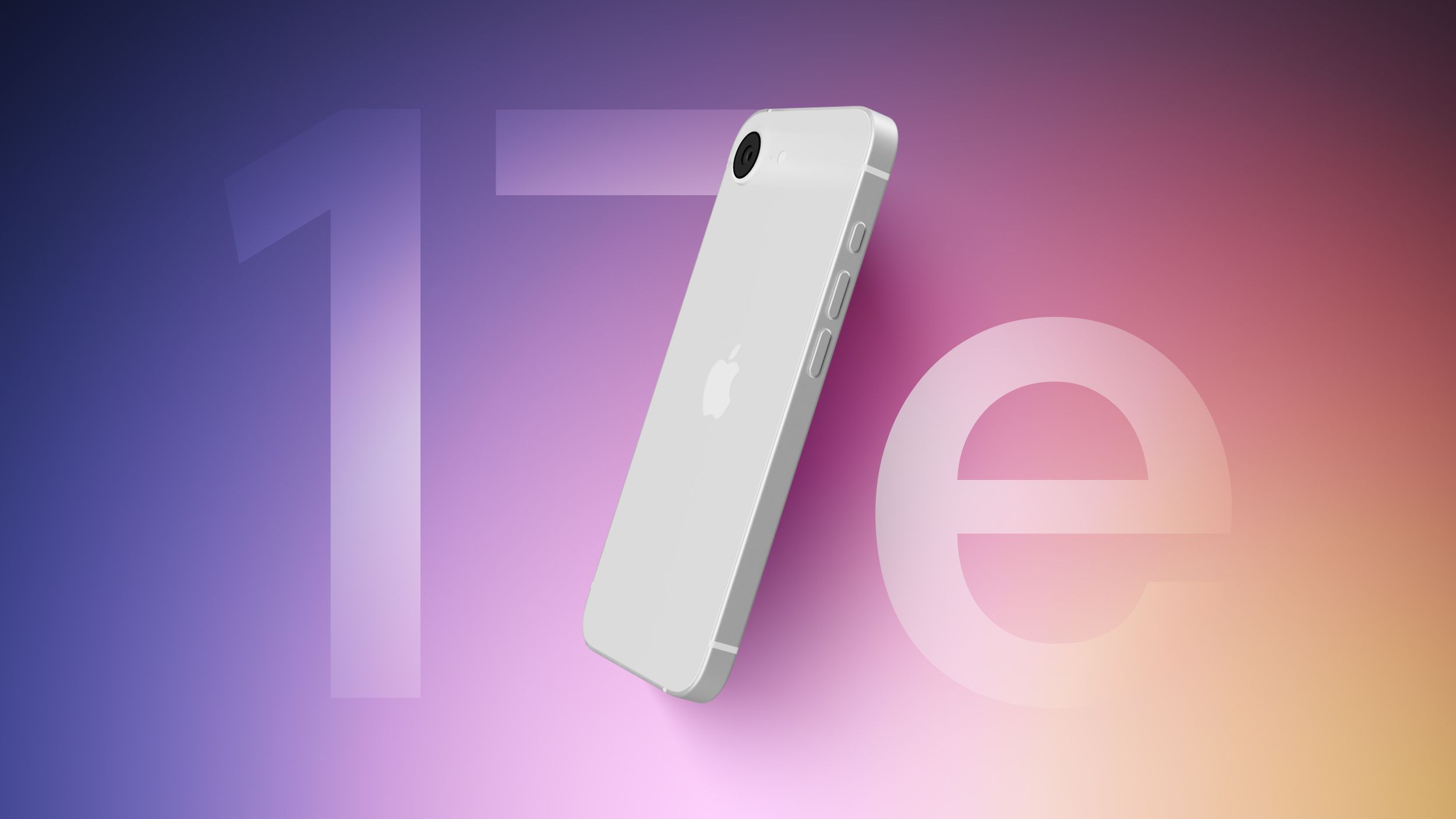
Apple's 2026 roadmap described in the piece highlights multiple high‑impact hardware and software initiatives: a September launch of a foldable “iPhone Fold” priced around $2,000–$2,500 and powered by a 2nm A20 chip (rumored ~15% faster / ~30% more efficient), a delayed standard iPhone 18 to 2027, and a low‑cost ~13" MacBook using the A18 Pro targeting “well under $1,000.” Widespread Mac refreshes with M5 chips, a possible M6 OLED MacBook Pro with 5G, an Apple home hub, and an LLM‑based Siri (iOS 26.4, March/April) using Google Gemini on Apple’s private cloud are also flagged — initiatives that could shift product mix, ASPs and services engagement but remain speculative until confirmed.
Market structure: Apple (AAPL) is the clear incumbent beneficiary — higher ASPs from a $2k+ foldable, a $350 home hub, and premium MacBooks should support gross-margin leverage and ecosystem subscription upside through 2026–2027. TSMC (TSM) benefits from 2nm and WL-MCM demand (higher ASPs and capex visibility), while Qualcomm (QCOM) faces a multi-year revenue haircut as Apple shifts to in‑house modems and integrated packaging. Display and OLED suppliers will see a demand spike; expect near‑term tightness for advanced OLED panels and 2nm wafers, pressuring lead-times and input prices by H2 2026.
Risks: Tail risks include a production delay at TSMC or foldable yield shortfalls that could push launches past Sept 2026, regulatory scrutiny of Apple’s Google‑Gemini deal, or privacy backlash over the home hub/camera — any of which could compress AAPL multiples by 10–20% in weeks. Immediate (days) effects are rumor-driven vol spikes; short-term (weeks/months) hinge on March/April iOS 26.4 and home-hub announcements; long-term (2–3 years) structural impact is an erosion of QCOM’s modem TAM and higher TSMC revenue concentration. Hidden dependencies: Apple’s reliance on Google Gemini private cloud and TSMC 2nm yields; monitor supplier notes and Apple’s capex/allocation disclosures as catalysts.
Trade implications: Tactical longs — overweight AAPL and TSM into the March/April window (home hub + Siri LLM) and add into any >10% pullbacks ahead of Sept 2026 device cycle; overweight TSM to play 2nm WL-MCM demand. Hedge or short QCOM modestly (1% net exposure) via 9–12 month put spreads to reflect modem displacement risk. Use options: buy calendar or vertical call spreads on AAPL around Mar/Apr to capture event-driven upside while capping premium; sell covered calls into post‑launch strength to monetize elevated implied vol.
Contrarian angles: The market underestimates the low-cost MacBook’s ability to win classroom/enterprise share — a sub-$900 A18 Pro MacBook could reaccelerate Mac shipments by 5–10% in 2026 if priced and distributed through Walmart/education channels. Conversely, consensus may be over-optimistic on the foldable; at a $2–2.5k price point unit demand could be shallow, creating an earnings disappointment even if ASPs rise. Watch pre-order cadence, carrier subsidies for the foldable, and early iOS 26.4 usage metrics for Siri — these are high‑information indicators that will flip consensus quickly.
AI-powered research, real-time alerts, and portfolio analytics for institutional investors.
Request DemoOverall Sentiment
mildly positive
Sentiment Score
0.28
Ticker Sentiment
