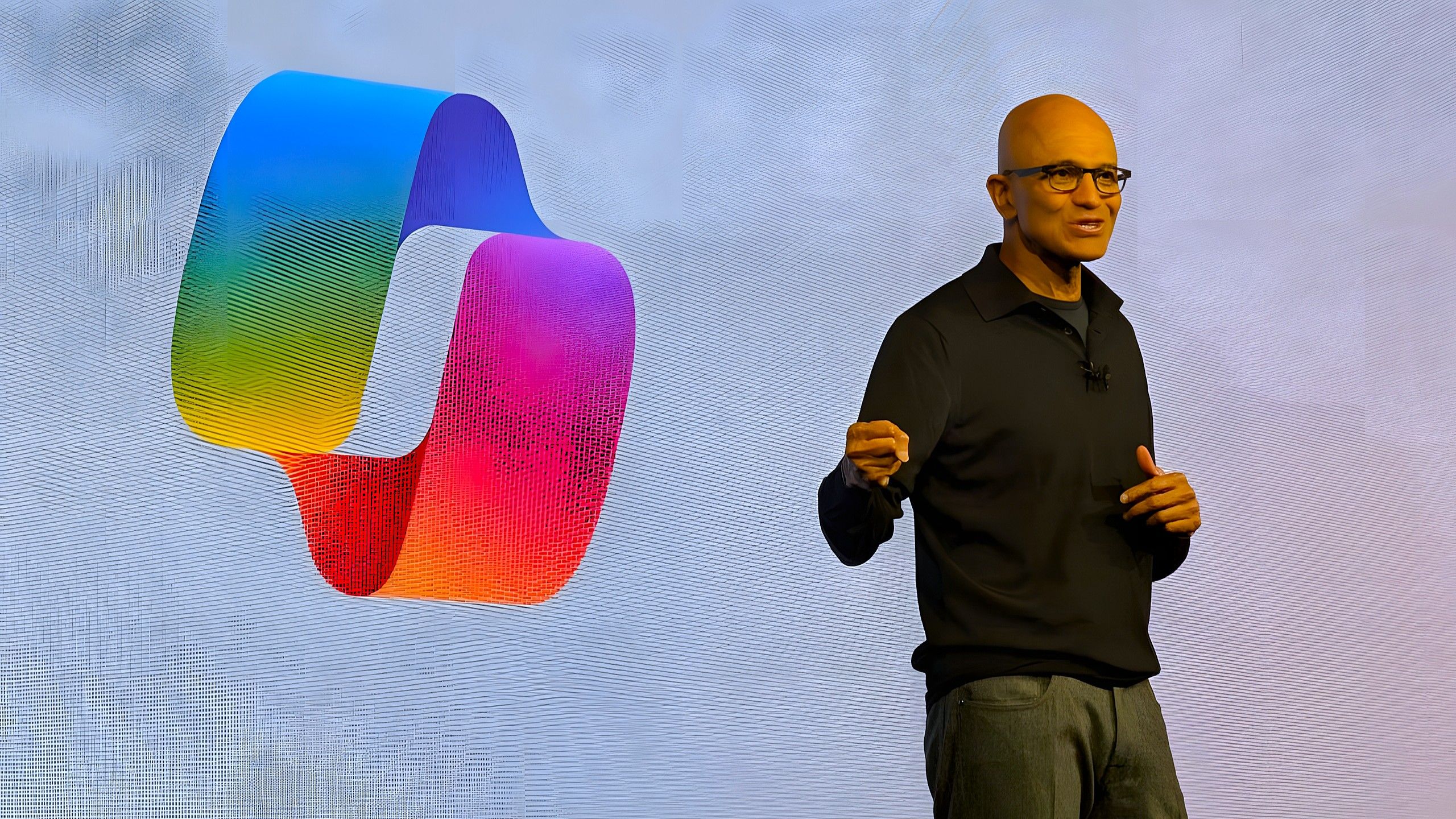
Microsoft CEO Satya Nadella's 2025 year-in-review blog is critiqued for heavy AI‑style jargon and an apparent lack of personal detail, with observers (and Copilot) suggesting the post was likely written or heavily assisted by AI. The piece glosses over negative signals — including a report of weak consumer interest in Microsoft’s AI products and criticism of Windows 11’s forced AI integrations — creating modest reputational risk around messaging and product adoption, though the story lacks direct financial metrics and is unlikely to move markets materially.
Market structure: Short-term winners are AI compute and cloud providers (NVDA, AMZN, GOOGL) who benefit from continued GPU/serving demand and from enterprise customers prioritizing back-end AI over consumer-facing UI rhetoric. Losers are consumer-facing Windows/PC exposure (MSFT consumer Windows, DELL, HPQ) where forced AI integrations and negative UX can depress OEM refresh cycles and consumer adoption for 1–2 quarters. Pricing power shifts toward GPU vendors and cloud providers; Microsoft’s enterprise Azure/Office cash flows cushion any consumer softness, so revenue risk is asymmetric and concentrated in consumer segments.
Risk assessment: Tail risks include regulatory constraints on AI disclosure or labeling, high-profile product failures that trigger large enterprise churn, or fast-moving competitor integrations that shift platform share — each could move MSFT by >10% over 3–12 months. Immediate (days) risk is sentiment-driven IV spikes; short-term (weeks/months) is earnings/Build conference reaction; long-term (quarters/years) is sustained adoption or regulatory limits. Hidden dependencies: MSFT’s monetization of Copilot/Office AI is tied to enterprise migration rates and developer ecosystem stickiness, not blog-post perception.
Trade implications: Tactical sentiment trades warranted: short-dated protective structures on MSFT (3-month put spreads) and overweight NVDA as a secular hardware beneficiary for 12–24 months. Pair trades (long NVDA, short MSFT) capture relative trade if consumer trust erodes while compute demand stays. Trim PC OEM exposure and redeploy into cloud/AISaaS leaders (AMZN, GOOGL) with 6–12 month horizons; monetize elevated MSFT IV with rolling covered calls if long.
Contrarian angles: Consensus overstresses PR/voice authenticity vs fundamentals — Microsoft’s enterprise moat likely prevents material top-line loss absent product failures. If MSFT declines >7% on perception alone, that’s a mean-reversion buying opportunity (target re-entry within 2–8 weeks). Historical parallel: prior CEO messaging missteps (e.g., post-2015 Windows backlash) produced short-term drawdowns but not lasting enterprise share loss, so size accordingly and prefer relative-value structures over naked directional bets.
AI-powered research, real-time alerts, and portfolio analytics for institutional investors.
Request DemoOverall Sentiment
mildly negative
Sentiment Score
-0.25
Ticker Sentiment
