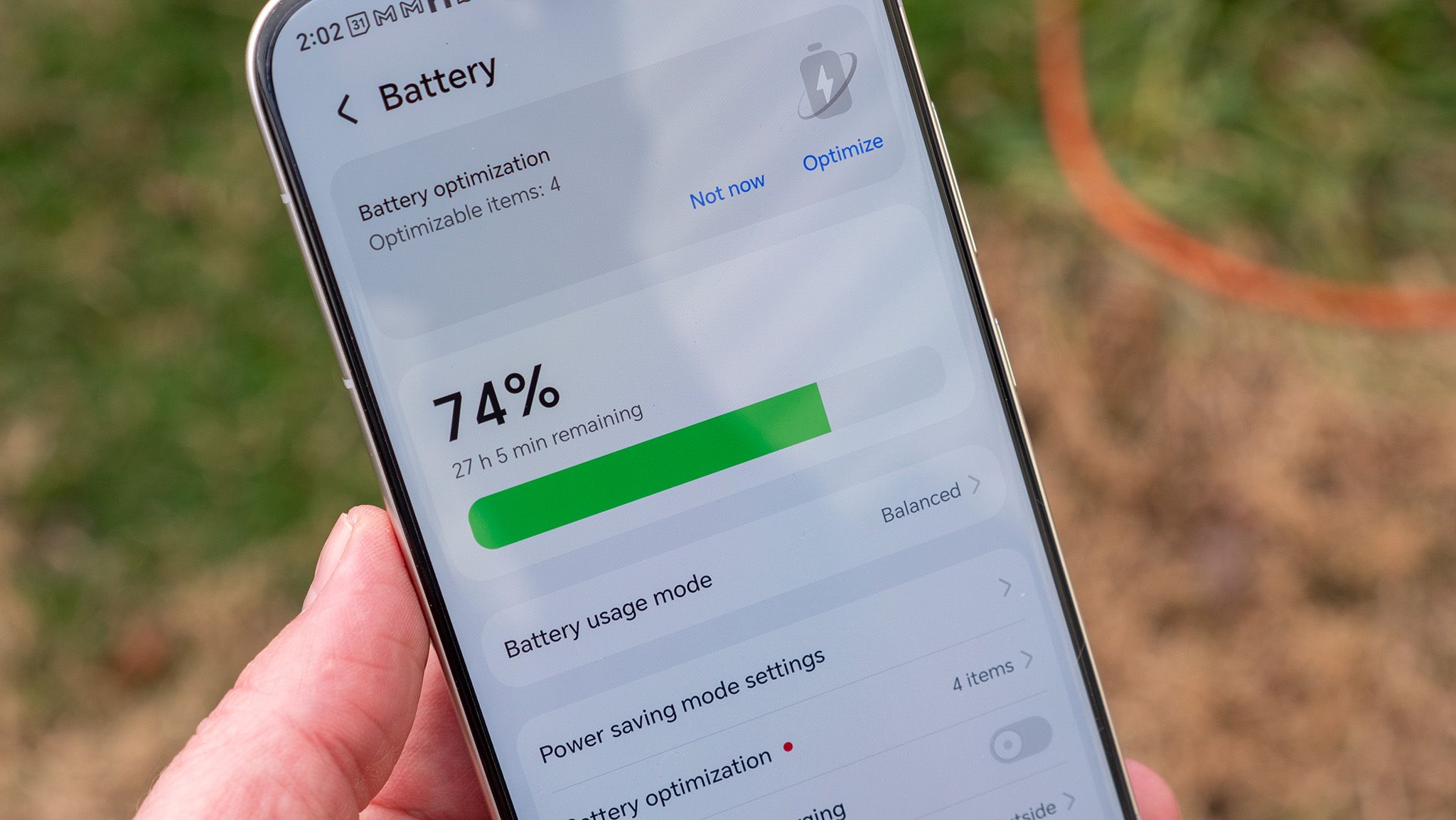
Solid-state batteries replace liquid electrolytes with solid ceramic or polymer separators and lithium metal anodes, offering materially higher energy density, faster and safer charging, better low-temperature performance and markedly longer theoretical cycle life (up to ~45,000 cycles under ideal conditions, with realistic expectations of roughly double current Li‑ion lifespans). Near-term barriers remain largely manufacturing and cost-related—anode expansion, retooling lines and higher unit costs—so adoption is expected first in premium portable packs, EVs and industrial use cases rather than immediate mass-market smartphones, implying a gradual, capex‑driven transition for battery and automotive supply chains.
MARKET STRUCTURE: Solid-state batteries (SSBs) shift value from classic cell assemblers toward materials and specialty ceramic/electrolyte suppliers and OEMs that can monetize higher energy density (premium EVs, foldables). Winners: lithium producers (potentially higher-grade Li metal demand), ceramic electrolyte makers, premium EVs (Toyota, Tesla pilot programs). Losers: graphite anode specialists and legacy li-ion-only cell manufacturers with slow retooling cycles. Expect gradual pricing power transfer over 3–7 years as capital intensity and retooling create barriers to entry.
RISK ASSESSMENT: Key tail risks include scale-up failure (manufacturing yield <70%), major patent/royalty litigation, or discovery of a low-cost alternative that preserves current supply chains—each could delay widespread adoption by 3+ years and crash speculative valuations. Near-term (0–12 months) impact is limited to pilot announcements and raw-material repricing; medium (12–36 months) is when margin pressure and supply constraints surface; long-term (3–7 years) is structural market share shifts. Hidden dependency: adoption pace tied to lithium-metal supply and solid-electrolyte materials (sulfides/oxides) manufacturing bottlenecks.
TRADE IMPLICATIONS: Tactical plays favor materials & optionality: long high-quality lithium producers and select solid-electrolyte suppliers; short/underweight natural graphite miners and incumbents unable to retool. Use long-dated options to capture binary tech validation events (pilot->mass production). Cross-asset: commodity (Li) volatility likely to rise 20–50% on adoption news, corporate debt issuance by capex-heavy battery firms may widen spreads 50–150bp intermittently.
CONTRARIAN ANGLES: Consensus underestimates near-term licensing/licensing revenue to specialty suppliers and overestimates quick conversion of incumbent cell factories. Public SSB startups (QS, SLDP) may be overvalued relative to ceramic/chemical suppliers—expect mispricings in 12–24 months. Historical parallel: OLED rollouts—premium-first, slow cost curve; unintended consequences include accelerated recycling/geo-political mining risk and concentrated upstream bottlenecks that spike raw material prices.
AI-powered research, real-time alerts, and portfolio analytics for institutional investors.
Request DemoOverall Sentiment
mildly positive
Sentiment Score
0.32
