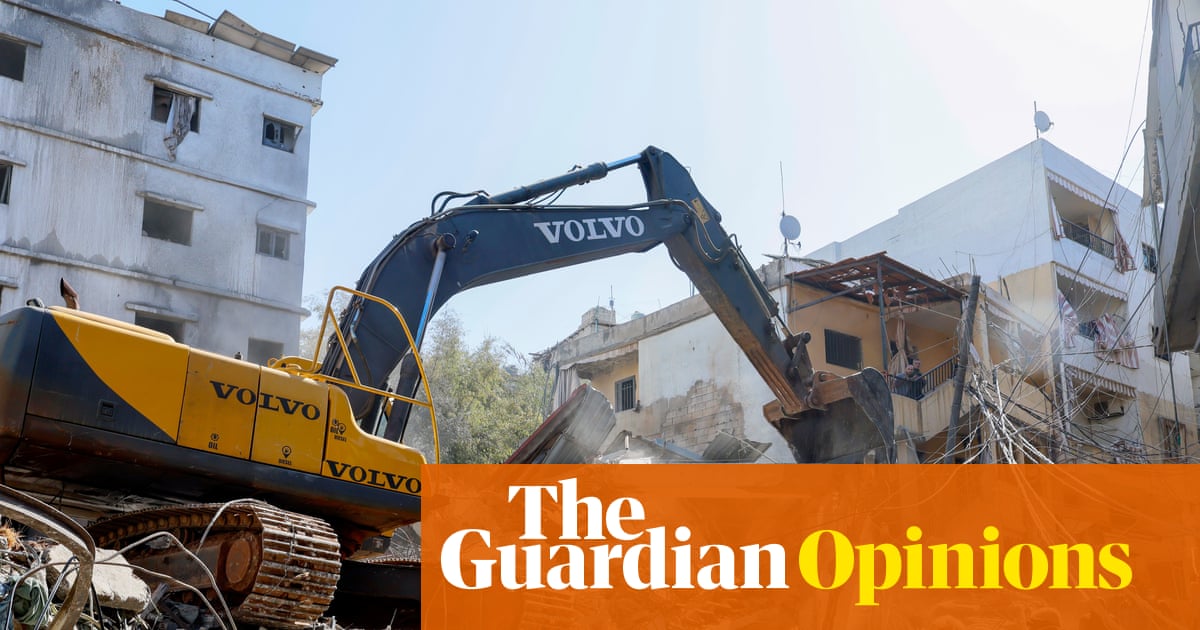
At least 5 people were killed and ~50 wounded in an IDF strike near Rafik Hariri University hospital; WHO reports >90 attacks on healthcare in Lebanon since 2 March resulting in 137 injuries and 53 deaths, and the UN reported 15 paramedics found in a mass grave. The author contends Israel is applying Gaza tactics to Lebanon—crippling healthcare, forcing large-scale displacement and acting with impunity—raising the risk of wider regional escalation. Implication for portfolios: elevated geopolitical risk warrants a risk-off tilt for regional equities, monitor potential sovereign/credit stress in Lebanon, and watch energy and defense sectors for heightened volatility and repricing.
This pattern of targeting medical infrastructure will not only deepen humanitarian cost but also reprice sovereign and bank risk in Lebanon and the Levant over a multi-quarter to multi-year horizon. Expect non-linear increases in risk premia: deposit flight from Lebanese banks, higher sovereign CDS, and longer-term capital scarcity as diaspora remittances and NGO funding re-route to safer corridors — a structural hit to GDP and public services that lingers beyond any ceasefire.
Supply-chain impacts will be concentrated and persistent in healthcare and humanitarian logistics: procurement lead times for critical meds and disposables will lengthen (we should model +4–8 week delays) and insurer/reinsurer war-risk loadings on NGO fleets and regional air/sea freight will rise 20–50% in stressed scenarios. That combination compresses operating margins for regional private hospitals and raises the total cost to deliver aid, shifting more demand toward cross-border tertiary centers in Jordan and Turkey.
Defense and risk management vendors are the obvious beneficiaries in the near term: Gulf states and NATO partners rarely absorb destabilizing spillovers quietly and will accelerate procurement and training contracts within 3–12 months. Maritime and trade channels face episodic insurance spikes (war-risk premiums), which will transiently reroute freight and impact Mediterranean ports’ throughput and European short-sea logistics.
Catalysts that could reverse the trend are discrete: a credible multilateral ceasefire brokered by external guarantors (US/EU) within 0–3 months, or meaningful legal/political costs (targeted sanctions, ICC referrals) that restore some deterrence. Tail risks include broader Iranian escalation or a naval interdiction that would flip these sectoral moves from tactical to strategic, materially widening energy and insurance shocks over 3–12+ months.
AI-powered research, real-time alerts, and portfolio analytics for institutional investors.
Request DemoOverall Sentiment
strongly negative
Sentiment Score
-0.80
