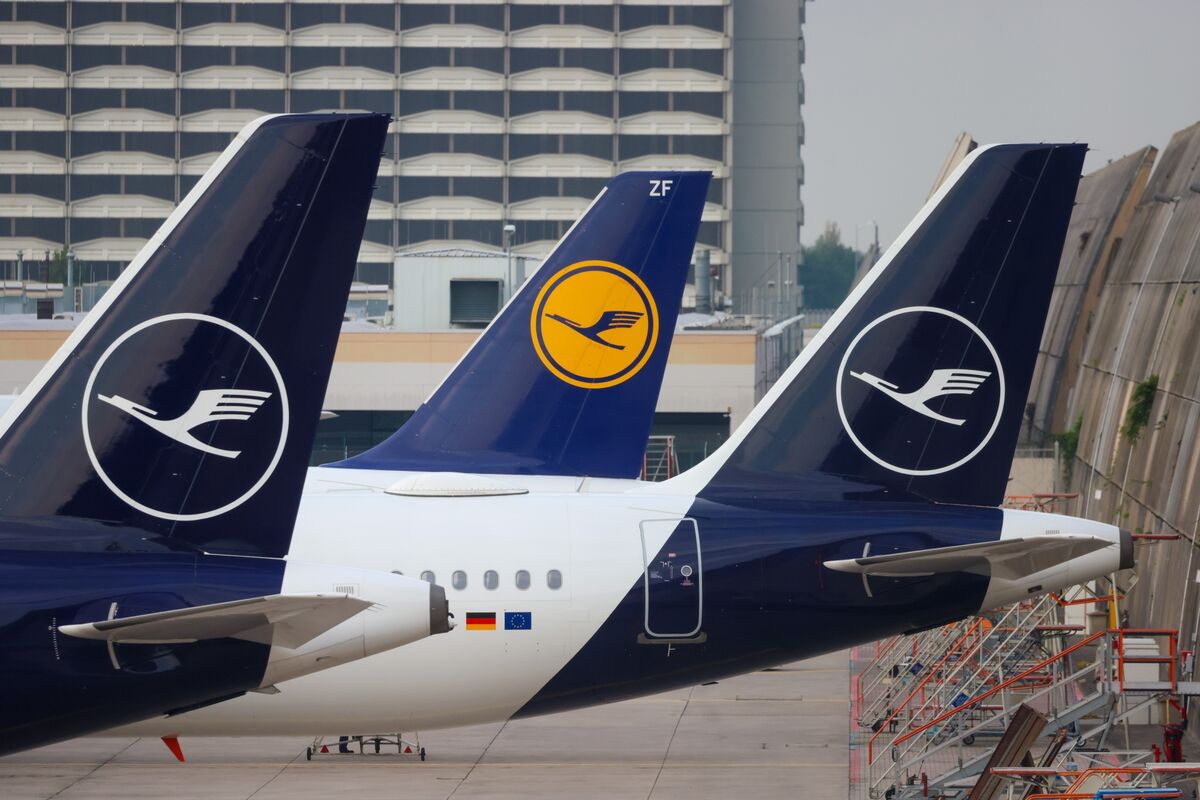
Bookings for March departures at Deutsche Lufthansa rose about 20% in the two weeks after Feb. 28, with an even larger increase on Asia-Pacific routes, as the Middle East war sidelines or reduces capacity on roughly 700 aircraft. Demand is being redirected from Gulf-based carriers still disrupted by the conflict, prompting Lufthansa to shift capacity toward Asia. CFO Till Streichert flagged the surge as a near-term operational tailwind for the carrier.
Disruption to a major transit hub network redistributes both passengers and belly-cargo capacity to carriers with open traffic rights, spare widebodies and slot access — a market that favors legacy carriers anchored in Europe and East Asia. That reallocation is not linear: yields can rise faster than capacity because frequency additions are gated by crew legality, widebody availability and airport slot constraints, so short-duration revenue per ASK (RASK) upside can materially outpace seat growth for 4–12 weeks.
Second-order beneficiaries include the wet-lease/spot-charter market, MRO firms and lessors: when airlines need to plug holes quickly they accept higher day-rates for wet leases, accelerate shop visits for AOGs and pay premiums for scarce spares, shifting profit pools away from scheduled operations into service providers. Airport economics also tilt: hub airports with limited daytime slots can levy higher ground-handling and landing fees or prioritize higher-yield flights, subtly reshaping route economics beyond headline ticket revenue.
Timing and durability separate a tradeable windfall from a structural change. If the disruption persists beyond a quarter, we move from a transient yield shock to fleet redeployment decisions (postponed retirements, reallocated widebodies) with implications over 6–24 months for lease rates and used-aircraft values. Conversely, a diplomatic de-escalation, re-routing by affected carriers, or rapid insurance-rate normalization can erase most of the near-term RASK gains within weeks — making entry timing and hedges critical.
The common market angle — “airline X will simply capture demand” — overlooks unit-cost compression from higher crewing, repositioning and chartering expense. Select carriers with spare widebodies, flexible labour rosters and strong cargo revenue capture will monetize the shock; commodity long-haul operators with tight margin cushions may see gross yields rise but net margin improvement that is much smaller or even negative once incremental costs are included.
AI-powered research, real-time alerts, and portfolio analytics for institutional investors.
Request DemoOverall Sentiment
mildly positive
Sentiment Score
0.35
