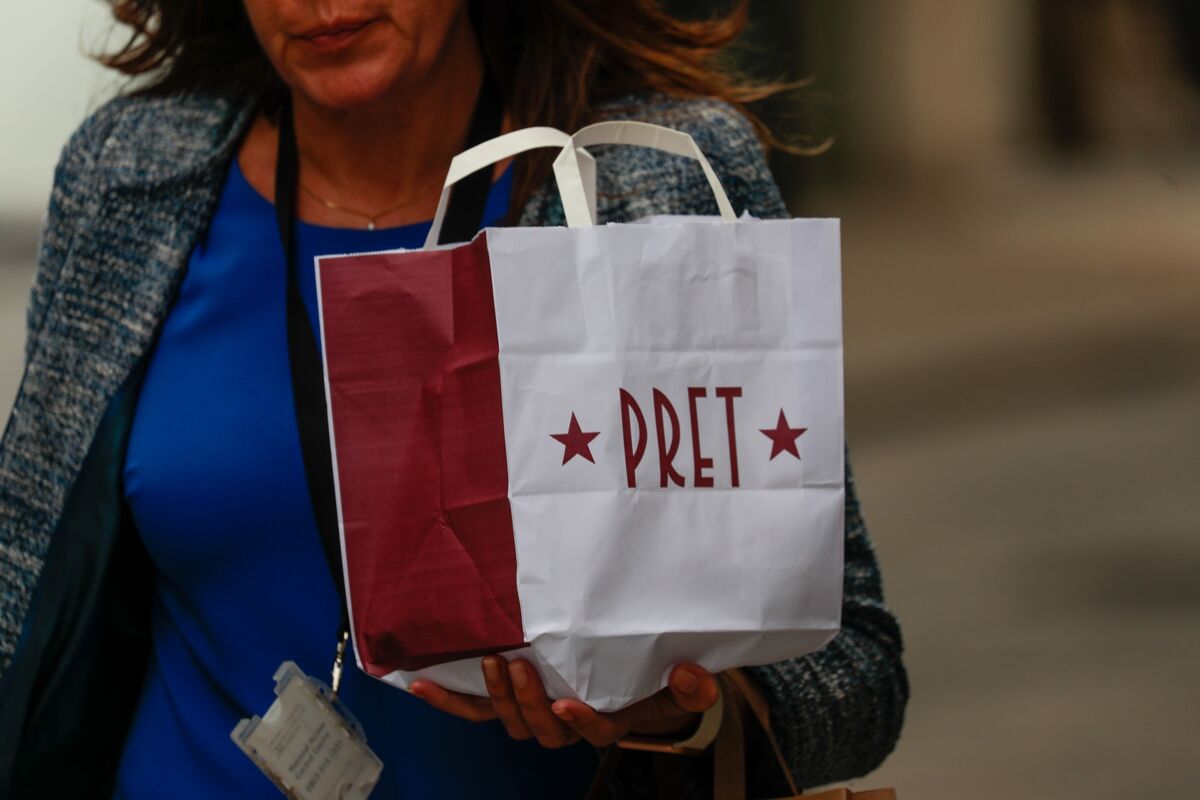
Pret A Manger reported a significant operating loss of £452 million in 2024, a sharp decline from a £28 million profit the previous year, primarily due to tough trading conditions and soaring costs. This result included a substantial £553 million non-cash goodwill impairment, signaling a material perceived devaluation of the sandwich chain since its 2018 acquisition by JAB Holding Co.
Pret A Manger's financial position has sharply deteriorated, evidenced by its swing from a £28 million profit to a £452 million operating loss in 2024. The primary driver of this loss is a non-cash goodwill impairment of £553 million, a significant accounting adjustment indicating that parent company JAB Holding Co. has materially written down the perceived value of the chain since its 2018 acquisition. This write-down reflects a severe reassessment of Pret's future earnings potential, attributed to persistent tough trading conditions and escalating costs. The event serves as a strong negative signal for the health of the consumer food service sector, particularly for brands reliant on high-street and urban center locations, suggesting that margin compression and demand challenges are impacting even established players in the current economic environment.
AI-powered research, real-time alerts, and portfolio analytics for institutional investors.
Request DemoOverall Sentiment
strongly negative
Sentiment Score
-0.80
