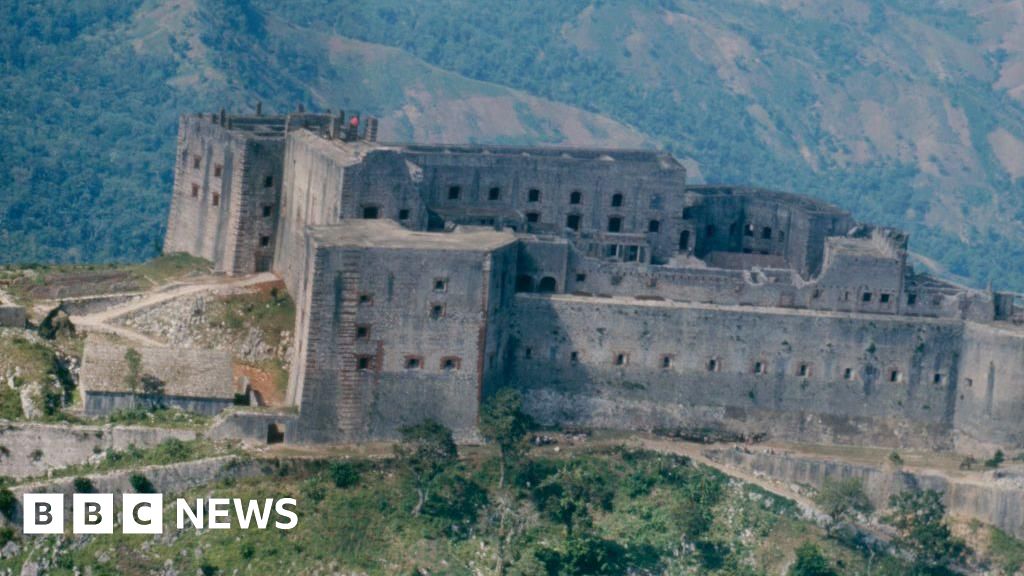
At least 30 people were feared dead in a stampede at Haiti's Laferrière Citadel during an annual Easter tourist gathering, with officials warning the toll could rise. The incident occurred near the entrance to the UNESCO World Heritage site and was worsened by heavy rain, prompting an investigation and emergency response. While the event is tragic, it is likely to have limited direct market impact beyond Haiti's tourism and broader country-risk narrative.
This is not an isolated human-tragedy headline; it is another data point in the deterioration of Haiti’s informal tourism economy. The near-term loser is any operator exposed to destination confidence, domestic transport, and event-based footfall: the relevant second-order effect is that booking behavior will likely shift from discretionary excursions toward low-profile, locally captive demand, compressing margins for hotels, guides, and small transport providers that rely on peak-occasion volume.
The bigger macro read-through is that perceived instability compounds very quickly in frontier markets: every incident widens the discount applied by insurers, NGOs, aid contractors, and diaspora travelers, which can linger for quarters even if the immediate event is contained. That matters because tourism is one of the few sectors with foreign-currency earning potential; a demand shock here can translate into weaker FX inflows, more import stress, and tighter liquidity for local merchants and lenders over the next 3-12 months.
Contrarian angle: the market will likely over-index on the catastrophe itself and underprice the operational resilience of adjacent international service providers. The cleaner trade is not to short “Haiti” directly, but to look for beneficiaries of risk-aversion elsewhere in the Caribbean—safer, better-governed destinations can absorb marginal demand rerouting after a safety scare. A second-order beneficiary could also be NGOs and security/logistics contractors if funding or mission scope expands, but that tends to be slower-moving and politically contingent.
Key catalyst risk is further deterioration in public order: if this incident becomes a symbol of state incapacity, the reputational hit to inbound travel can last well beyond the immediate news cycle. The reversal case is only credible if authorities rapidly publish a credible investigation and visibly improve crowd-control/security protocols; absent that, the base case is a multi-month chill in discretionary visitation rather than a one-week headline event.
AI-powered research, real-time alerts, and portfolio analytics for institutional investors.
Request DemoOverall Sentiment
extremely negative
Sentiment Score
-0.90
