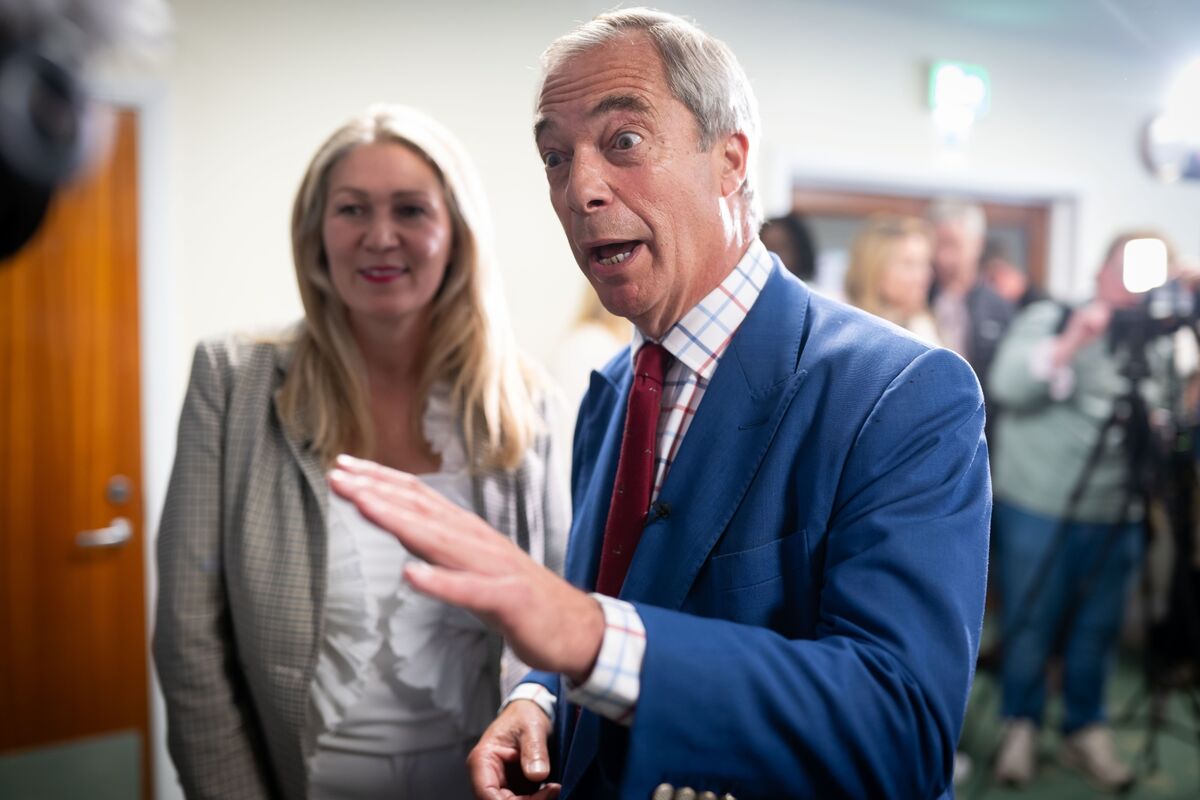
Reform UK has secured its first seat in the Welsh Senedd following the defection of Conservative Senedd member Laura Anne Jones, marking a significant expansion for Nigel Farage's party into devolved administrations. This development underscores the ongoing political fragmentation in the UK and signals potential shifts in voter allegiance, which could impact the broader political landscape and future policy direction, particularly for the Conservative Party.
Reform UK has established its first presence in a devolved UK administration by securing a seat in the Welsh Senedd through the defection of a Conservative member, Laura Anne Jones. This event, described by party leader Nigel Farage as a 'big step forward,' signifies a minor but symbolic expansion for the populist party and underscores the ongoing fragmentation of the UK's right-of-center political landscape. While the direct market impact of a single defection in a regional assembly is negligible, as reflected by the neutral market impact score, it serves as a qualitative indicator of the electoral pressures facing the Conservative Party. This development contributes to the broader narrative of political realignment in the UK, a key theme for investors to monitor ahead of future elections.
AI-powered research, real-time alerts, and portfolio analytics for institutional investors.
Request DemoOverall Sentiment
neutral
Sentiment Score
0.00
