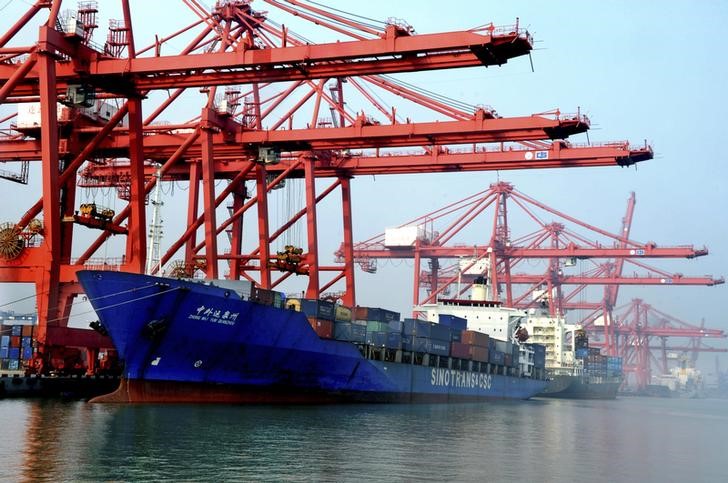
Australia's trade balance significantly surpassed expectations in June, reaching a surplus of A$5.37 billion ($3.49 billion) against a forecast of A$3.18 billion, a substantial improvement from May's A$1.60 billion. This strong performance was primarily driven by a 6% rebound in exports, particularly in metal ores, fuels, and gold, reflecting improved demand from key trading partners. Concurrently, imports declined by 3.1%, largely due to a sharp drop in capital goods, indicating subdued domestic investment.
Australia's trade balance for June significantly surpassed market expectations, registering a surplus of A$5.37 billion against a forecast of A$3.18 billion. This marks a substantial rebound from the A$1.60 billion surplus in May, which was the weakest in over five years. The improved figure was driven by a dual-engine effect: a 6% month-over-month increase in exports and a simultaneous 3.1% contraction in imports. Export growth was broad-based across key commodities, including metal ores, fuels, and coal, with a notable contribution from non-monetary gold shipments. This export strength is attributed to improving economic conditions in key markets, particularly China, alongside persistent global economic uncertainty fueling safe-haven demand for gold. Conversely, the decline in imports was led by a sharp drop in capital goods, indicating sluggish domestic business investment and softer local economic conditions.
AI-powered research, real-time alerts, and portfolio analytics for institutional investors.
Request DemoOverall Sentiment
strongly positive
Sentiment Score
0.75
Ticker Sentiment
