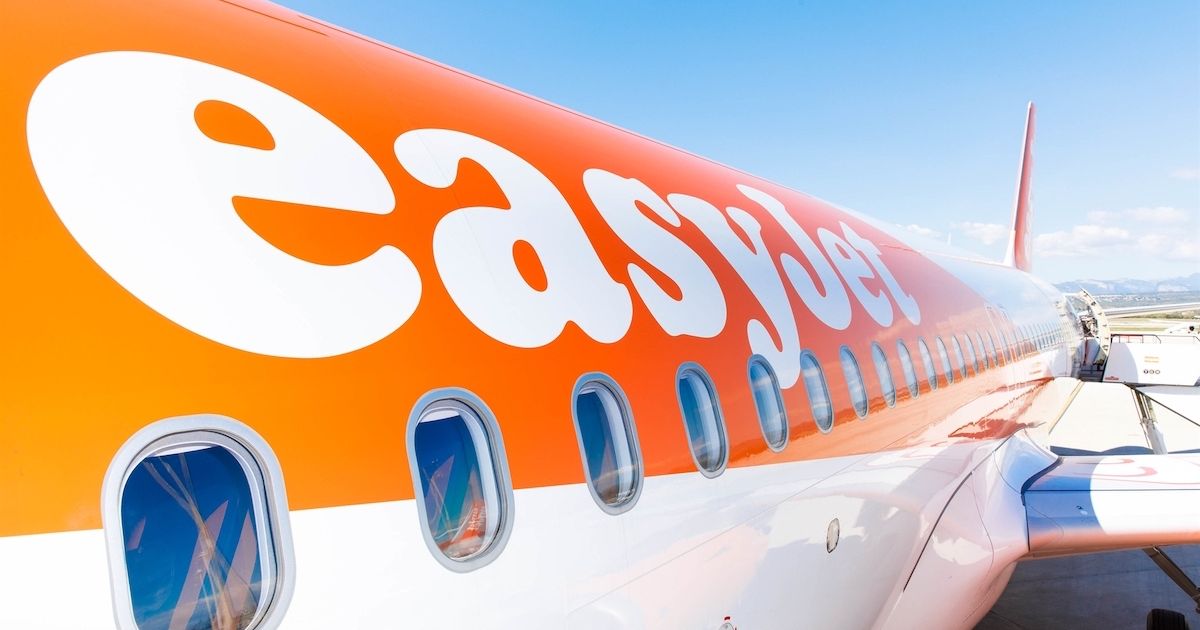
Deutsche Bank downgraded easyJet to 'sell' from 'hold', warning the carrier faces another year of relative underperformance as competitive intra-European short‑haul markets cap pricing power. Intra‑European seat capacity rose just over 4% last summer and, while growth should slow modestly in 2026, it will remain sufficient to limit fares; Deutsche notes nominal short‑haul fares were flat and expects capacity to rise again next summer. The bank’s economists forecast UK GDP growth of 1.1% in 2026 (down from 1.4%), which could weaken demand for discretionary travel, and argues low‑cost carriers like Ryanair are better positioned to withstand fare pressure, leaving easyJet exposed despite disciplined capacity management; shares were quoted flat at 480.36p.
Market structure: The downgrade crystallises a shift toward scale/low-cost winners — Ryanair (RYAAY) benefits from a lower unit cost base while easyJet (EZJ) is exposed to margin compression if intra‑Europe capacity grows ~4% next summer and fares stay flat. With DB forecasting UK GDP slowing to 1.1% in 2026 (from 1.4%), discretionary travel elasticity implies operators will compete on price, capping RASK upside and favoring carriers with CASM advantages and higher ancillary yields.
Risk assessment: Key tail risks are a sudden Brent rally (>20% in 90 days) or major industrial action that lifts CASM >5%, and regulatory moves (slot reallocation/state aid) that could alter capacity dynamics; immediate (days) price moves of 5–15% are plausible after downgrades, book‑cycle effects manifest over weeks, and structural share shifts play out over quarters. Hidden dependencies include different fuel‑hedge profiles, FX exposures (GBP vs EUR/USD invoicing) and fleet mix (A320neo penetration reduces CASM 3–5% over 2–3 years).
Trade implications: Implement a relative‑value stance: short EZJ vs long RYAAY to capture cost‑base divergence — target equal notional positions sized 2–3% of portfolio each, horizon 6–12 months, tighten/close if spread narrows <5% or RYAAY underperforms by 10%. Use options to cap risk: buy a 6–9 month EZJ put spread (e.g., sell 360p / buy 480p, or structured to cost ~1% portfolio) to protect against >15–20% downside while financing part of the carry with short covered calls on long RYAAY.
Contrarian angles: Consensus underweights easyJet’s ancillary revenue durability and potential CASM improvements from fleet renewal — if EZJ attains >60% A320neo utilisation by end‑2026, unit costs could compress and re-rate the stock. Watch for overreaction: a >10% EZJ drop without a downward revision to FY guidance or booking curves would be a tactical buy zone; conversely, Ryanair’s ambition to grab share can be constrained by slots/union costs, so don’t overleverage the pair.
AI-powered research, real-time alerts, and portfolio analytics for institutional investors.
Request DemoOverall Sentiment
moderately negative
Sentiment Score
-0.60
Ticker Sentiment
