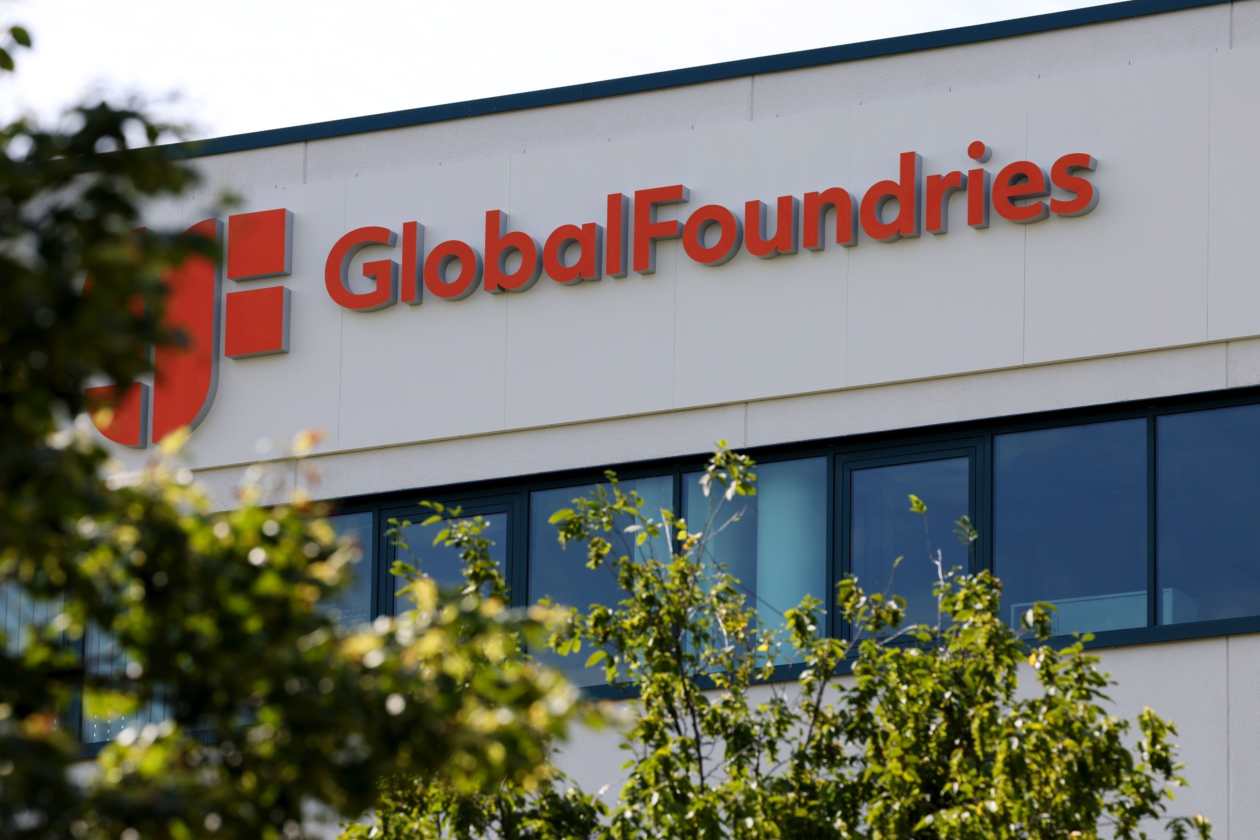
The Trump administration is reportedly considering a policy requiring U.S. chip companies to domestically manufacture a volume of chips equal to their imports, with tariffs imposed for non-compliance. This potential initiative, driven by national and economic security concerns amid geopolitical tensions and the AI boom, immediately boosted shares of U.S.-based manufacturers like GlobalFoundries (+9%) and Intel (+4%). The move signals a significant push to bolster domestic semiconductor production, potentially channeling investment into U.S. foundries and reducing reliance on foreign supply chains, particularly benefiting companies with existing domestic manufacturing capabilities.
A reported Trump administration proposal to mandate a 1:1 ratio of domestic chip manufacturing to imports, enforced by tariffs, has provided a significant potential catalyst for U.S.-based semiconductor manufacturers. The market's immediate reaction saw shares of GlobalFoundries (GFS) and Intel (INTC) rise over 9% and 4% respectively, reflecting their strategic advantage as companies with existing U.S. foundry operations. This policy initiative is framed within a broader national security context, aiming to reduce dependency on foreign producers like Taiwan's TSMC amidst the AI boom and geopolitical tensions with China. For Intel, this development complements the U.S. government's recent $8.9 billion investment and aligns with its struggling foundry business's turnaround efforts. However, Intel's success is not guaranteed and remains contingent on securing a major external customer for its next-generation 14A process. The reported $5 billion investment and manufacturing agreement from Nvidia, a company heavily reliant on TSMC, underscores a strategic shift among fabless designers to hedge against supply chain risks and onshore production. The policy remains speculative, as noted by a White House spokesperson, but signals a strong governmental push that could reshape semiconductor supply chains.
AI-powered research, real-time alerts, and portfolio analytics for institutional investors.
Overall Sentiment
moderately positive
Sentiment Score
0.40
Ticker Sentiment
