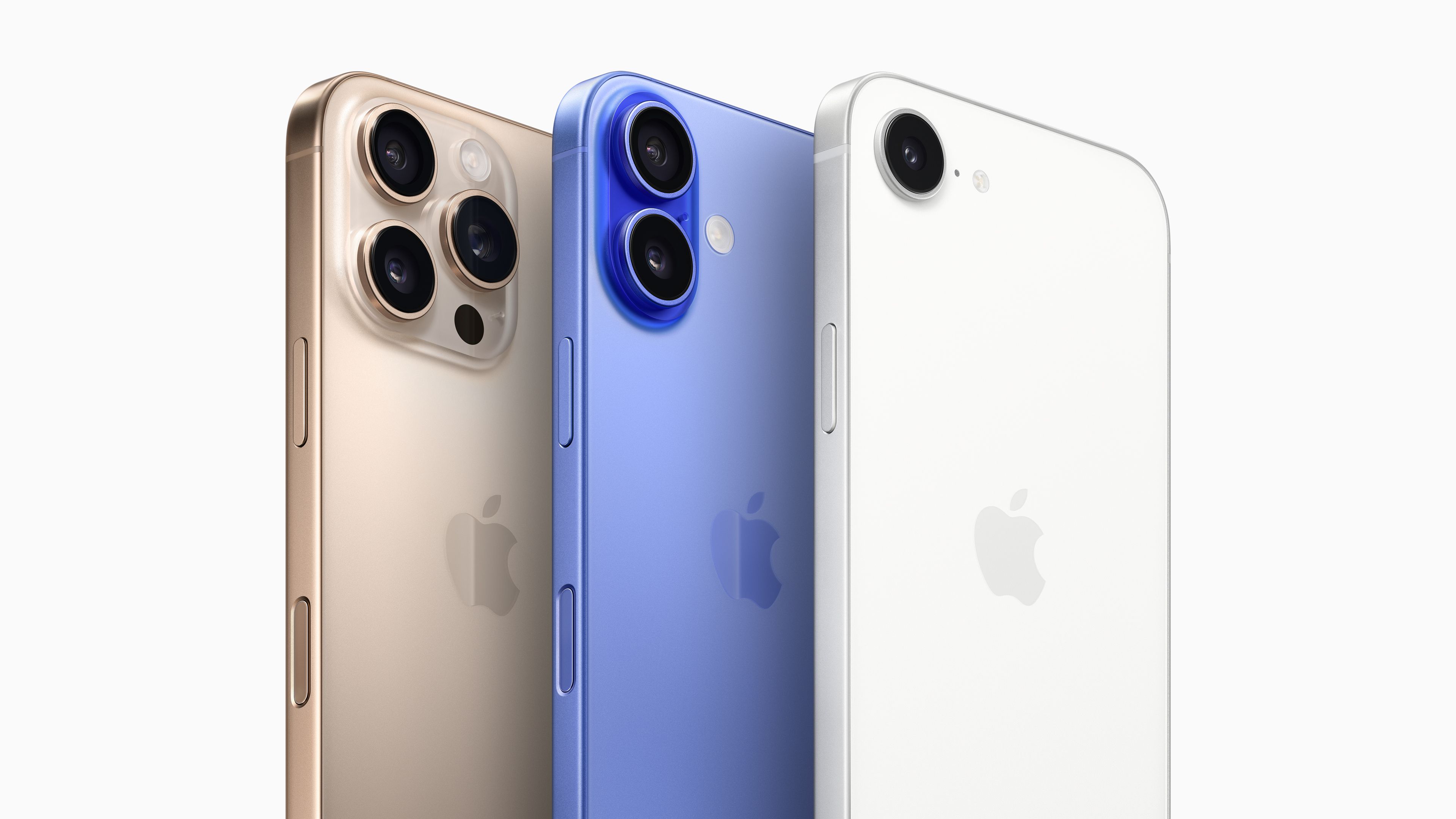
Nikkei Asia corroborates prior reports that Apple will split its iPhone launch cadence, prioritizing a foldable iPhone plus iPhone 18 Pro and 18 Pro Max for H2 2026 while shipping the standard iPhone 18 and an updated 18e in H1 2027. The staggered approach is positioned to protect premium-model revenue and conserve constrained resources amid rising memory-chip costs, supplier capacity shifts toward AI customers, and explicit supply constraints cited on Apple’s recent earnings call.
Market structure: The staggered iPhone roll-out shifts near-term returns toward premium models and benefits AI/cloud-focused suppliers (NVDA exposure proxies) and OLED/foldable-material vendors, while compressing AAPL's H1 2026 unit revenue and raising inventory/timing risk. If Apple increases Pro mix by 5–10 percentage points in H2 2026, ASPs could rise mid-single digits, supporting gross margins even if unit volumes lag. Cross-asset: expect a pickup in AAPL equity implied volatility into upcoming earnings (weeks), modest widening of Apple IG spreads (5–15 bps) if guidance weakens, and increased prices for specialty display/film commodities over 6–12 months.
Risk assessment: Tail risks include a foldable manufacturing failure or supplier reallocation that causes a >5% revenue shortfall for Apple in H2 2026 or a 6–12 month launch delay; regulatory/China demand shocks are additional low-probability, high-impact scenarios. Immediate risks (days-weeks) center on supplier commentary in earnings; short-term (3–6 months) on component lead times and yields; long-term (12+ months) on product mix and margin realization. Hidden dependency: suppliers diverting capacity to NVDA/GOOG/AMZN can create concentrated single-supplier risk and non-linear delays.
Trade implications: Tactical: overweight NVDA (beneficiary of supplier reallocation) on a 3–6 month horizon and hedge AAPL exposure via puts or covered-call overlays to hedge near-term guidance risk. Relative-value: long NVDA / short AAPL pair expresses rotation into AI supply chain; size modest (0.5–2% net). Use 3–9 month option structures (buy calls on NVDA, buy puts or put spreads on AAPL) to capture asymmetric payoff while controlling cost.
Contrarian angles: Market consensus underestimates margin upside if Apple successfully monetizes premium mix—this could make short AAPL positions expensive into H2 2026. Conversely, NVDA optimism is priced for failure in supplier reallocation; a sub-10% NVDA pullback could be a buying window. Action trigger: add AAPL long (1–2%) only if supplier lead-times shorten >20% and Apple reports improving foldable yields in two consecutive supplier earnings releases (concrete, measurable signals).
AI-powered research, real-time alerts, and portfolio analytics for institutional investors.
Request DemoOverall Sentiment
mildly negative
Sentiment Score
-0.25
Ticker Sentiment
