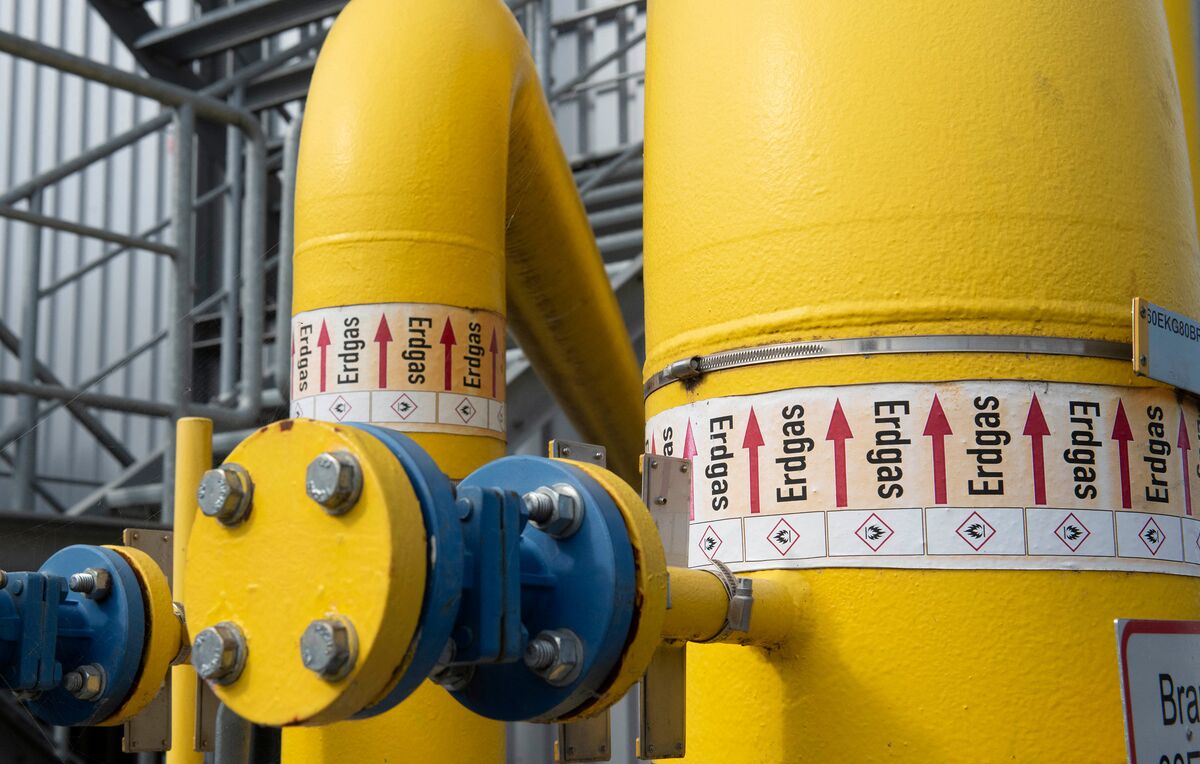
European natural gas prices increased as much as 1.2% following a reduction in flows from Norway, a top supplier to the EU, due to planned seasonal maintenance at the Kollsnes gas processing plant. Norway accounted for approximately one-third of the EU's gas imports last year, making the maintenance a significant factor in near-term price fluctuations.
European natural gas prices registered a notable increase, with benchmark futures appreciating by as much as 1.2% on Thursday. This upward price movement is primarily driven by a reduction in natural gas flows from Norway, which supplied approximately one-third of the European Union's gas imports last year, making it a critical supplier. The curtailed flows are a direct consequence of planned seasonal maintenance commencing at the Kollsnes gas processing plant. The event registers a mildly negative sentiment score of -0.35 and a moderate market impact score of 0.45, highlighting the market's sensitivity to supply adjustments from key producers, even when such maintenance is anticipated. This situation underscores the ongoing importance of Norwegian supply stability for European energy security and price dynamics.
AI-powered research, real-time alerts, and portfolio analytics for institutional investors.
Request DemoOverall Sentiment
mildly negative
Sentiment Score
-0.35
