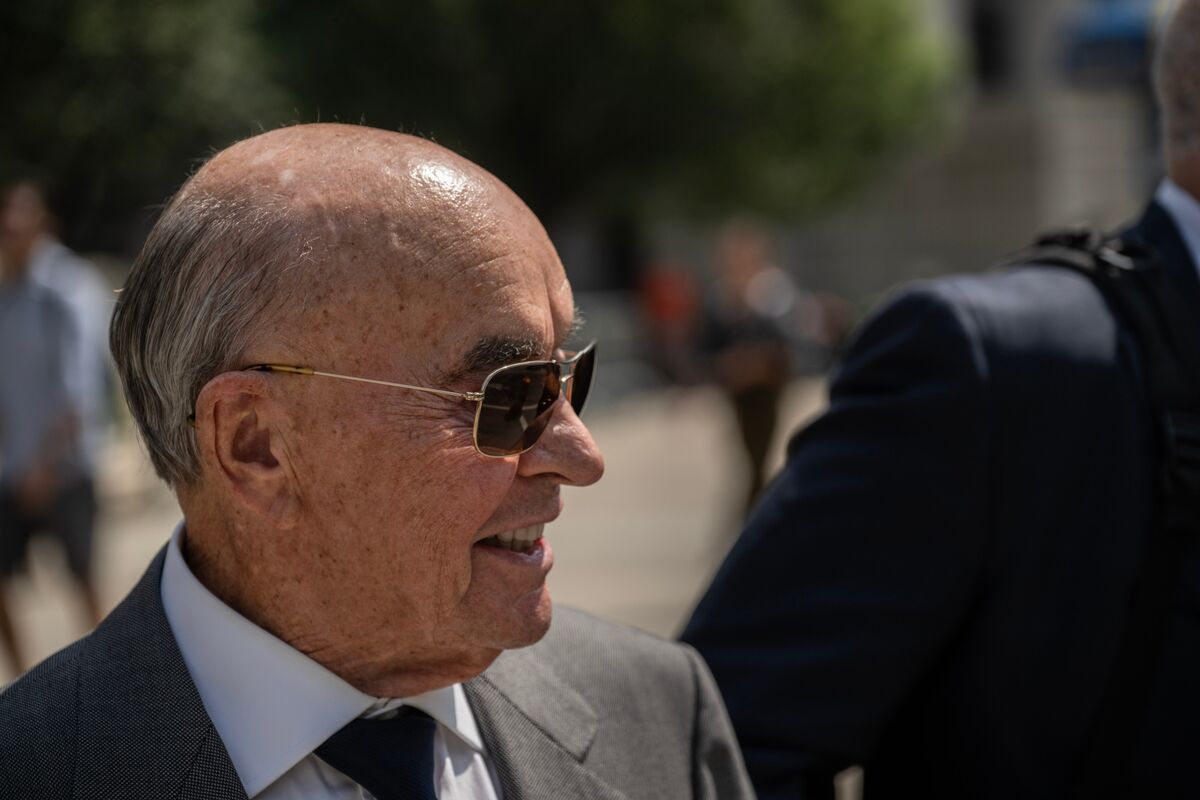
Shehan Dissanayake, who served as chairman of Joe Lewis's $8 billion Tavistock Group for over two decades, has departed the firm for personal reasons. This significant leadership change leaves a younger generation of executives at the helm of the investment empire, indicating a power shift within the organization.
A significant leadership transition is underway at Tavistock Group, Joe Lewis's $8 billion private investment firm. Chairman Shehan Dissanayake, a key executive for over two decades, has departed for stated personal reasons, according to an unnamed source. This exit marks a definitive power shift, ceding control to a younger generation of leaders. The departure of such a long-tenured figure introduces uncertainty regarding strategic continuity and institutional knowledge retention. While the provided signals indicate a neutral sentiment and low immediate market impact, the change in top-level governance is a fundamental event for the firm. The core issue for stakeholders is how this new leadership will steer the firm's investment strategy and manage its substantial portfolio without the guidance of a veteran chairman.
AI-powered research, real-time alerts, and portfolio analytics for institutional investors.
Request DemoOverall Sentiment
neutral
Sentiment Score
0.00
