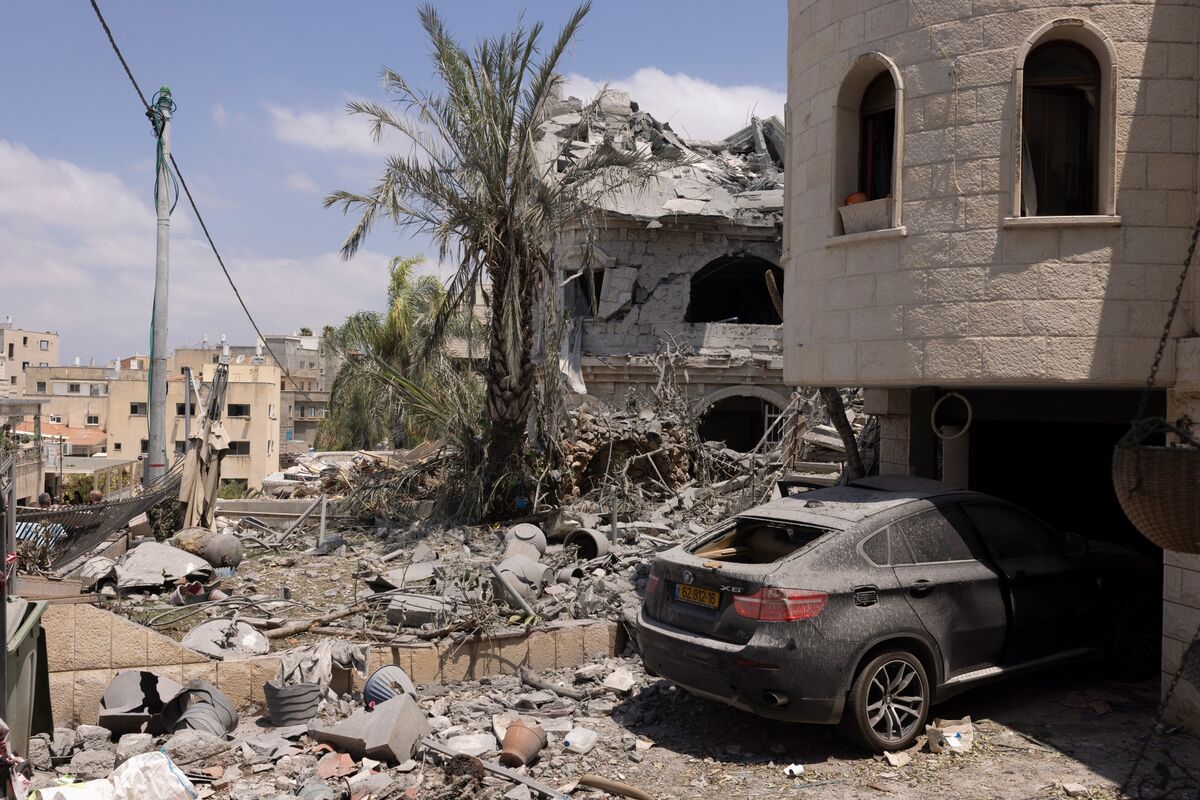
Geopolitical tensions are escalating as Donald Trump and Xi Jinping diverge in their stances on the Iran-Israel conflict, specifically regarding Israel's efforts to dismantle Iran's nuclear program; this divergence is creating a new point of contention in US-China relations and highlighting a potential shift in the global balance of power.
The emerging divergence between potential US (under Donald Trump) and Chinese (under Xi Jinping) stances on Israel's actions concerning Iran's nuclear program introduces a significant new geopolitical faultline, further complicating already strained US-China relations. This development contributes to an "uncertain" market tone and a "moderately negative" overall sentiment score of -0.5, with a market impact score of 0.6 indicating that these tensions are being registered by market participants. The slightly negative sentiment (-0.2) for China-focused ETFs such as iShares China Large-Cap ETF (FXI) and iShares MSCI China ETF (MCHI) suggests a perception of increased risk for China-exposed assets stemming from these heightened bilateral tensions. In contrast, the VanEck Israel ETF (ISRA) exhibits a neutral sentiment (0.0) from this specific news, implying the immediate focus of this particular development is more on the US-China dynamic rather than a direct negative re-rating of Israeli assets based on this specific diplomatic divergence. The dominant themes identified, "Geopolitics & War" and "Sanctions & Export Controls," underscore the potential for increased market volatility and policy-driven shifts impacting investments.
AI-powered research, real-time alerts, and portfolio analytics for institutional investors.
Request DemoOverall Sentiment
moderately negative
Sentiment Score
-0.50
Ticker Sentiment
