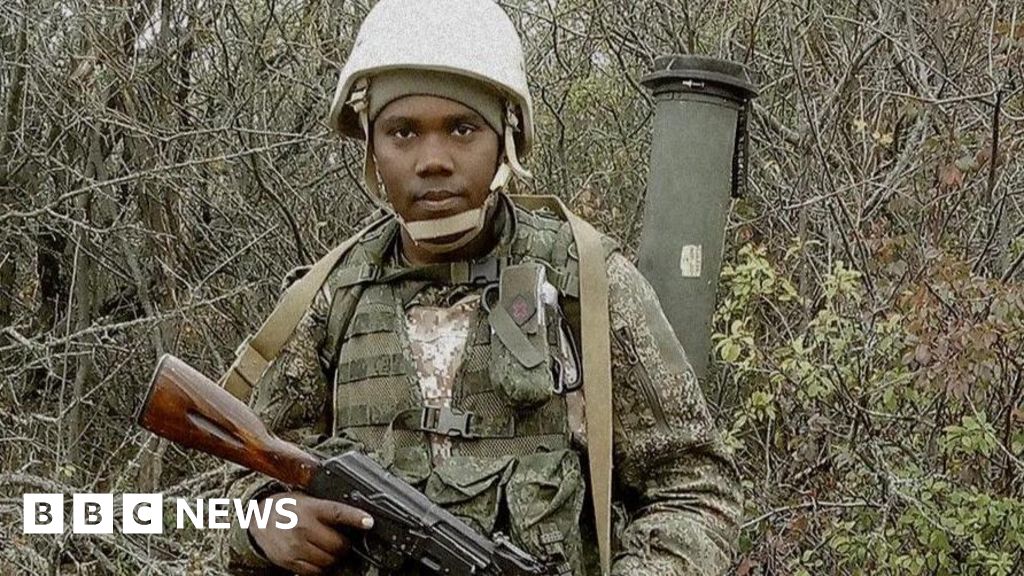
A Kenyan National Intelligence Service report alleges roughly 1,000 Kenyans have been recruited to fight for Russia in the Russia–Ukraine war, with 89 reported on the front line as of February, at least one death, 35 sent to Russian military camps, 39 injured, 28 missing and 27 repatriated. The report accuses recruitment firms and rogue state officials — including airport, immigration, DCI and some embassy staff — of colluding with traffickers; recruits were lured with offers up to KSh350,000/month and large bonuses, then deployed after minimal training. Nairobi has shut over 600 suspect recruitment agencies and is engaging Moscow on visa and bilateral labour arrangements to curb conscription; the allegations raise reputational and political risk for Kenyan institutions but are unlikely to directly move global markets.
Market structure: This is a country-specific political-risk shock concentrated in Kenya and its travel/consular ecosystem but with knock-on effects for East African tourism, remittances and bank deposit flight. Expect upward pressure on Kenyan sovereign yields (near-term +20–80bps possible) and a 1–5% near-term depreciation of the KES versus USD if repatriations and embassy frictions escalate. Global defense names see minimal direct revenue impact, but regional private security and insurance pricing power can tick up.
Risk assessment: Tail risks include diplomatic rupture with Russia or a heavier crackdown that triggers broader civil unrest, which would widen Kenya 5Y CDS by 100–300bps (low probability, high impact). Immediate window (days) is reputational headlines and FX volatility; short-term (weeks–months) is legal/regulatory cleanup and arrests; long-term (quarters) is policy tightening of recruitment/visa flows and labour-agency bankruptcies. Hidden dependencies: Kenyan bank deposit flows and tourism receipts that underpin local sovereign servicing.
Trade implications: Rotate out of broad EM beta and tourist-exposed African equities (reduce EEM/AFK exposure) into US safe-haven bonds and selective defense/insurance names. Use 1–3 month EEM put spreads to hedge EM downside and consider small tactical long positions in blue‑chip defense (LMT, NOC) for a 6–12 month geopolitical risk premium. For fixed income, buy 5Y Kenya CDS protection if spread breaches 200bps; size 1–3% portfolio notional.
Contrarian angles: Consensus may overstate permanence—if Nairobi secures bilateral labour accords with Russia within 60–90 days, shocks could reverse quickly and KES bounce 2–4%. A mispriced opportunity: small-cap Kenyan travel/recruitment plays could recover once prosecutions and agency closures stabilize; consider selective 6–12 month call options on beaten-down African tourism operators only after arrests conclude.
AI-powered research, real-time alerts, and portfolio analytics for institutional investors.
Request DemoOverall Sentiment
moderately negative
Sentiment Score
-0.40
