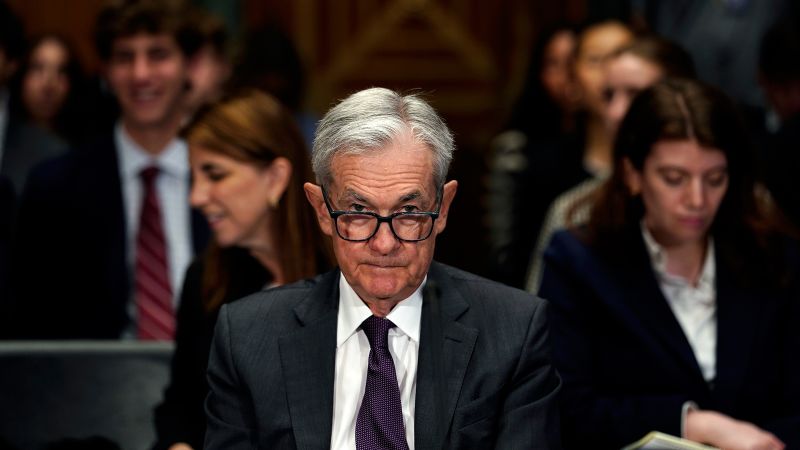
Federal Reserve Chair Jerome Powell has vowed to associates he will not resign despite intense pressure from President Trump for interest rate cuts, asserting that his continued tenure through May 2026 is critical to preserving the Federal Reserve's independence from political interference. Trump's multi-pronged campaign, including verbal attacks and scrutiny of Fed operational costs, aims to compel rate reductions, raising significant concerns among institutional investors about political meddling in monetary policy and its potential impact on market stability.
The core market risk highlighted is the unprecedented and sustained political pressure campaign by the White House against the Federal Reserve, aimed at compelling Chair Jerome Powell to lower interest rates. Powell's stated commitment to serve his full term until May 2026, framing his tenure as a defense of the Fed's institutional independence, creates a protracted conflict. This standoff introduces significant uncertainty into the monetary policy outlook, as the White House employs tactics ranging from public insults to investigations into the Fed's operational spending, such as a $2.5 billion renovation project. While presidential advisors have reportedly warned that firing Powell would trigger a market crisis, the ongoing pressure is designed to undermine his credibility. Despite this, Powell has garnered bipartisan support from lawmakers who recognize the systemic risk of politicizing the central bank. The market, which widely expects the Fed to hold rates steady in the near term based on economic data, must now factor in a persistent political risk premium, as this conflict is likely to intensify, creating a volatile environment for rate-sensitive assets.
AI-powered research, real-time alerts, and portfolio analytics for institutional investors.
Overall Sentiment
mixed
Sentiment Score
0.10
