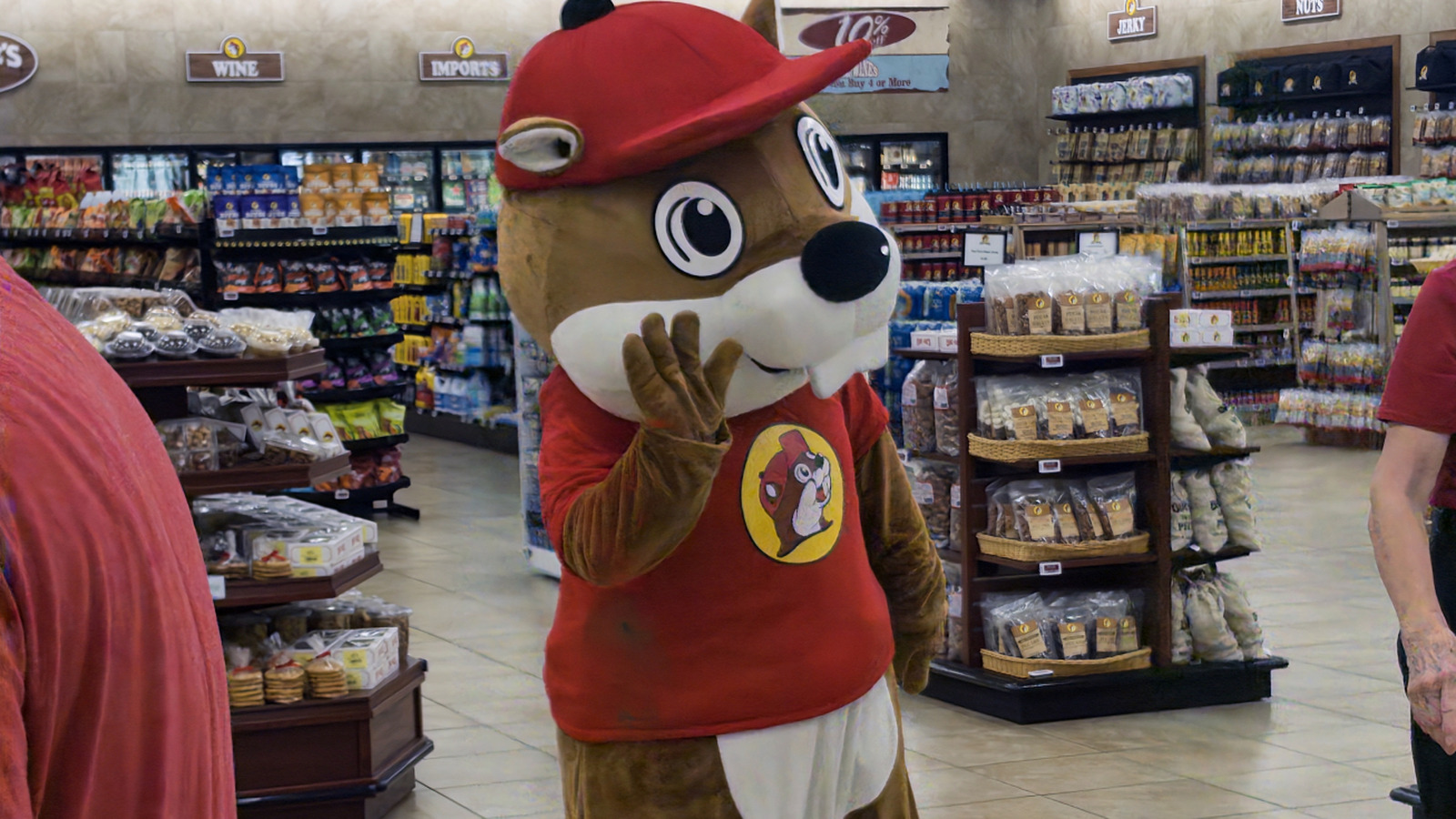
Buc-ee's is expanding into 6 additional states, with first openings expected in Arizona on June 22 and Arkansas in August or September 2026, followed by four more locations in 2027. The expansion should add jobs and extend the chain's retail footprint into new regional markets. Sentiment is positive for brand momentum, but the article is mostly consumer-interest news with limited market impact.
The real economic signal here is not the novelty of another destination retailer; it is the conversion of a niche road-trip brand into a broader regional traffic magnet. That shifts share away from convenience-store incumbents and fuel retailers that rely on low-engagement, repeat-fill behavior, because Buc-ee’s model monetizes both fuel and non-fuel basket expansion, raising the bar for average ticket in each trade area. Second-order, nearby quick-service restaurants, travel centers, and mom-and-pop fuel stops face a volume-air-pocket risk within a 10-20 mile radius of each site, especially on highway-adjacent corridors where impulse stops matter most.
For landlords and local labor markets, the effect is more mixed: these openings can temporarily tighten hourly wage competition and pull labor from surrounding retail, but the durability depends on whether the traffic build persists after the novelty phase. The bigger question is cannibalization versus true market expansion—Buc-ee’s tends to create its own destination demand, yet in thinner markets that can still be partially additive rather than purely stolen, which limits the downside for the broader travel-services ecosystem. The risk to the thesis is that if fuel margins compress or consumer discretionary spending weakens, the store visit becomes less of a pilgrimage and more of a routine fill-up, which would reduce the premium traffic that justifies the brand moat.
Contrarian view: the market may be overestimating how much share this takes from national chains versus independents, because the winner here is not the last-mile gas sale but the experiential retail component. That means the most vulnerable names are not necessarily the largest C-stores, but the lower-quality, traffic-dependent operators with weak non-fuel attachment rates and limited scale leverage. If management executes the labor and logistics side well, this expansion could also be a signal that the concept remains under-penetrated in the Sun Belt and Midwest, implying several more years of white-space growth rather than a one-off publicity cycle.
AI-powered research, real-time alerts, and portfolio analytics for institutional investors.
Request DemoOverall Sentiment
mildly positive
Sentiment Score
0.35
