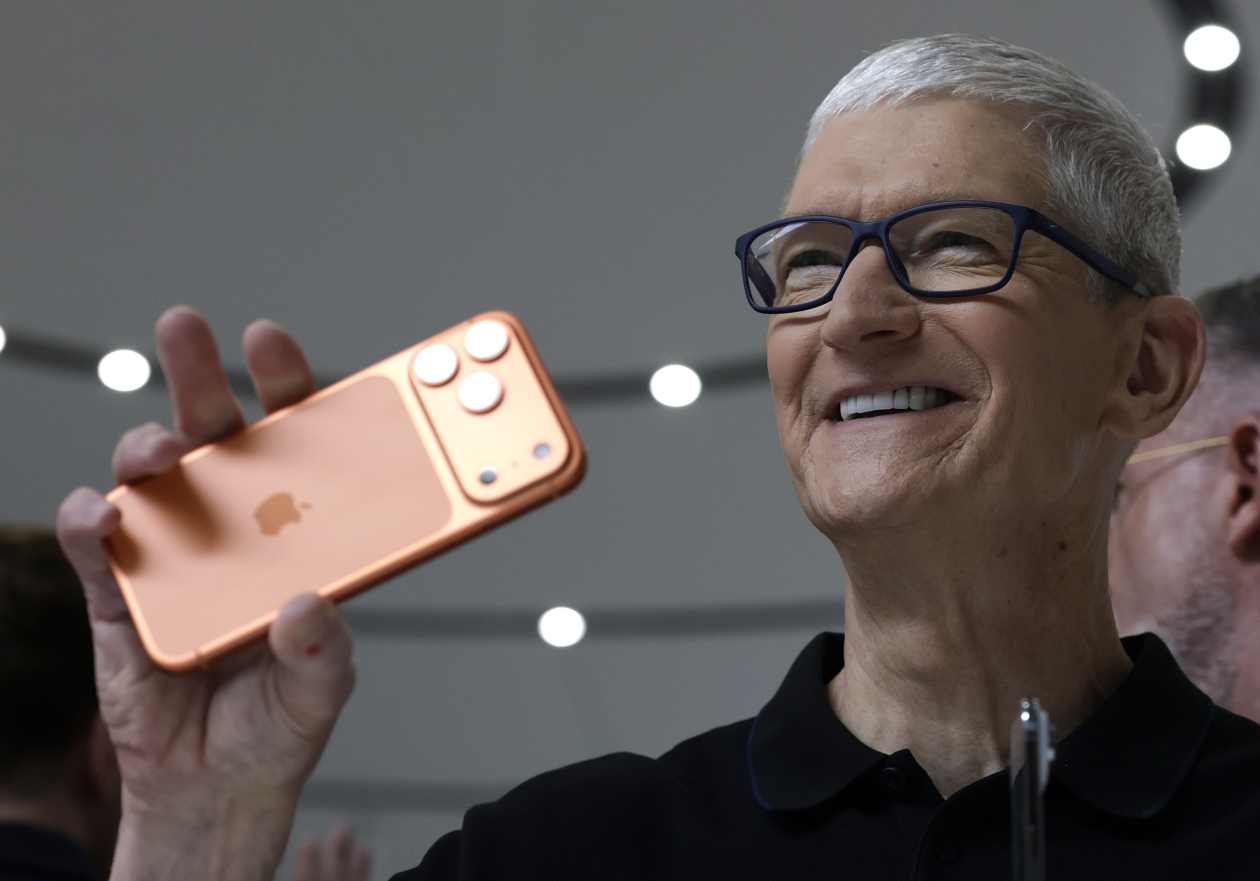
Counterpoint Research analysts say strong demand for the new iPhone 17 positions Apple to become the annual global smartphone shipments leader for the first time in 14 years, overtaking long-time leader Samsung and potentially holding that position through 2029. The upgrade cycle around iPhone 17 has provided fresh momentum despite criticism about Apple’s pace of innovation, a development that could influence investor expectations for Apple’s hardware growth trajectory and competitive positioning in the smartphone market.
Market structure: Apple (AAPL) reclaiming smartphone leadership primarily benefits Apple and its high‑margin suppliers (TSM, AVGO, camera/lens suppliers) while pressuring mid/low‑end Android OEMs (e.g., Xiaomi 1810.HK, Samsung Electronics 005930.KS). Higher market share implies stronger ASP/leverage into Services (sustained 3–5pp gross margin tailwind over 12–24 months if mix holds) and greater pricing power for components, tightening upstream capacity (TSMC wafer demand) and short‑term input inflation for certain modules.
Risk assessment: Tail risks include EU/US antitrust escalation, China/Taiwan geopolitical disruption to TSMC, or a macro consumer pullback driving a >10% YoY decline in flagship volumes. Near term (days/weeks) expect sentiment spikes around shipment reports/earnings; short term (quarters) actual share data will matter; long term (2026–2029) the trend depends on services monetization and supply concentration. Hidden dependencies: Apple’s gains hinge on TSMC capacity, panel/camera supply and China distribution/channel access.
Trade implications: Tactical—establish 2–3% long AAPL (12‑month target +15–25%) and 1–2% long TSM (TSM) to play supplier leverage; implement a 6‑month AAPL 3–5% OTM call spread to cap cost. Pair trade—long AAPL, short 005930.KS (or 1810.HK) sized 1:1 to play share shift; sell 6‑month AAPL puts 8–12% OTM to accumulate on dips. Rotate portfolio overweight semiconductors and premium component suppliers, underweight low‑end handset OEMs.
Contrarian angles: Consensus may overstate durability—market‑share gains can be cyclical (new model halo) and invite pricing pressure or regulatory scrutiny, compressing forward multiples by 5–10% if antitrust fines/changes occur. Historical parallels (Nokia era) show leadership in shipments doesn’t guarantee ecosystem monetization; watch services revenue penetration and TSMC capacity statements as early reversal signals.
AI-powered research, real-time alerts, and portfolio analytics for institutional investors.
Request DemoOverall Sentiment
moderately positive
Sentiment Score
0.50
Ticker Sentiment
