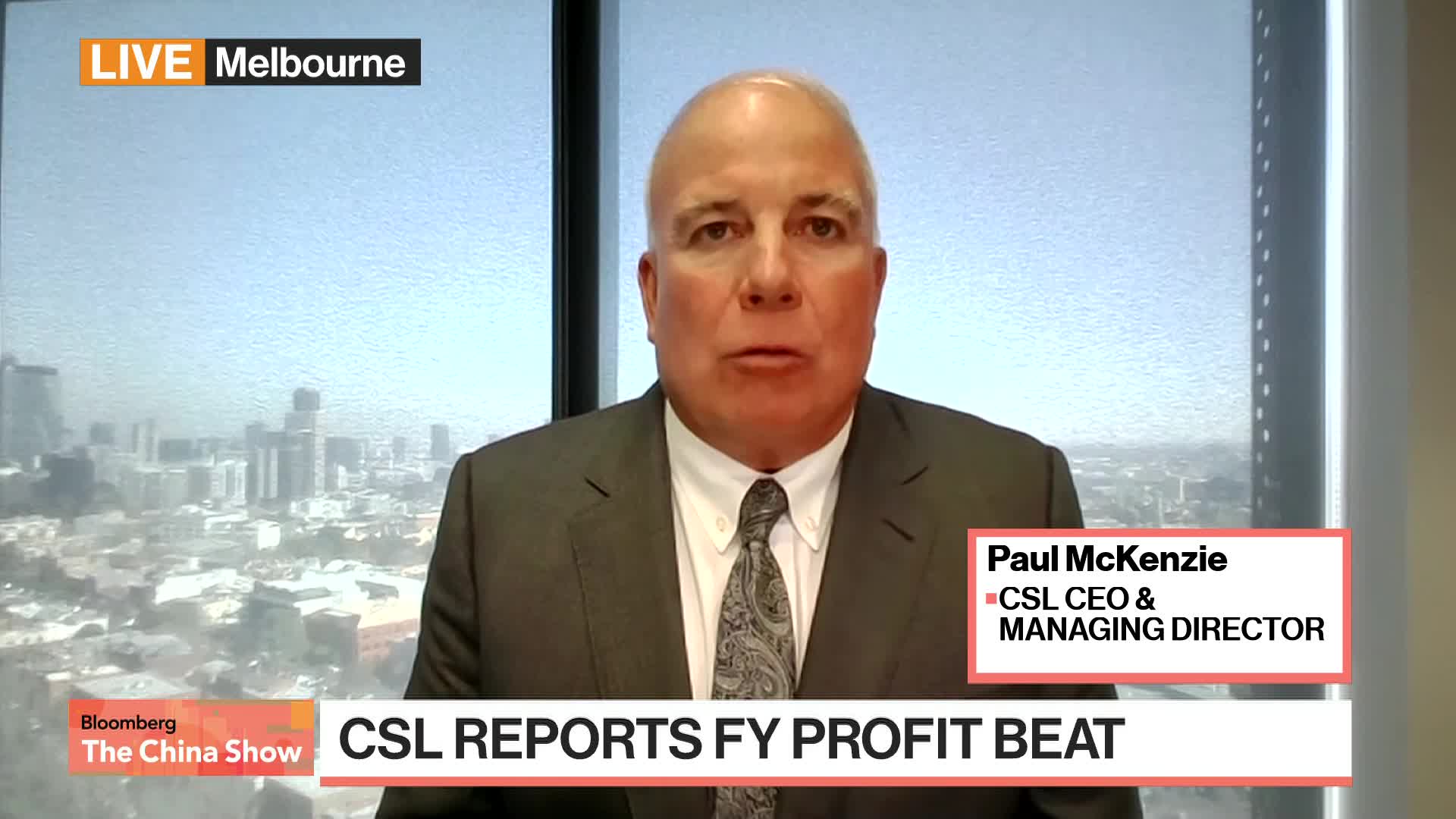
Australian biotech giant CSL experienced its largest share price decline in 23 years following a disappointing earnings report. Amidst this significant market reaction, CEO Paul McKenzie indicated the company is considering spinning off its Seqirus vaccine business, citing growing vaccine demand and fading 'fatigue' in the US, particularly among the aging population, as strategic drivers.
CSL has experienced its most significant share price decline in 23 years, a direct market reaction to a disappointing earnings report. This severe negative sentiment, reflected in a -0.8 score, underscores the magnitude of the earnings miss. In response, CEO Paul McKenzie has signaled a major strategic pivot by suggesting a spin-off of its Seqirus vaccine business. The rationale for this corporate restructuring is rooted in a forward-looking, bullish outlook for the vaccine market, specifically citing growing demand and diminishing 'vaccine fatigue' among the ageing U.S. population. This creates a clear dichotomy for the company: a severe market penalty for recent performance juxtaposed with a potential value-unlocking catalyst through corporate action.
AI-powered research, real-time alerts, and portfolio analytics for institutional investors.
Request DemoOverall Sentiment
strongly negative
Sentiment Score
-0.80
Ticker Sentiment
