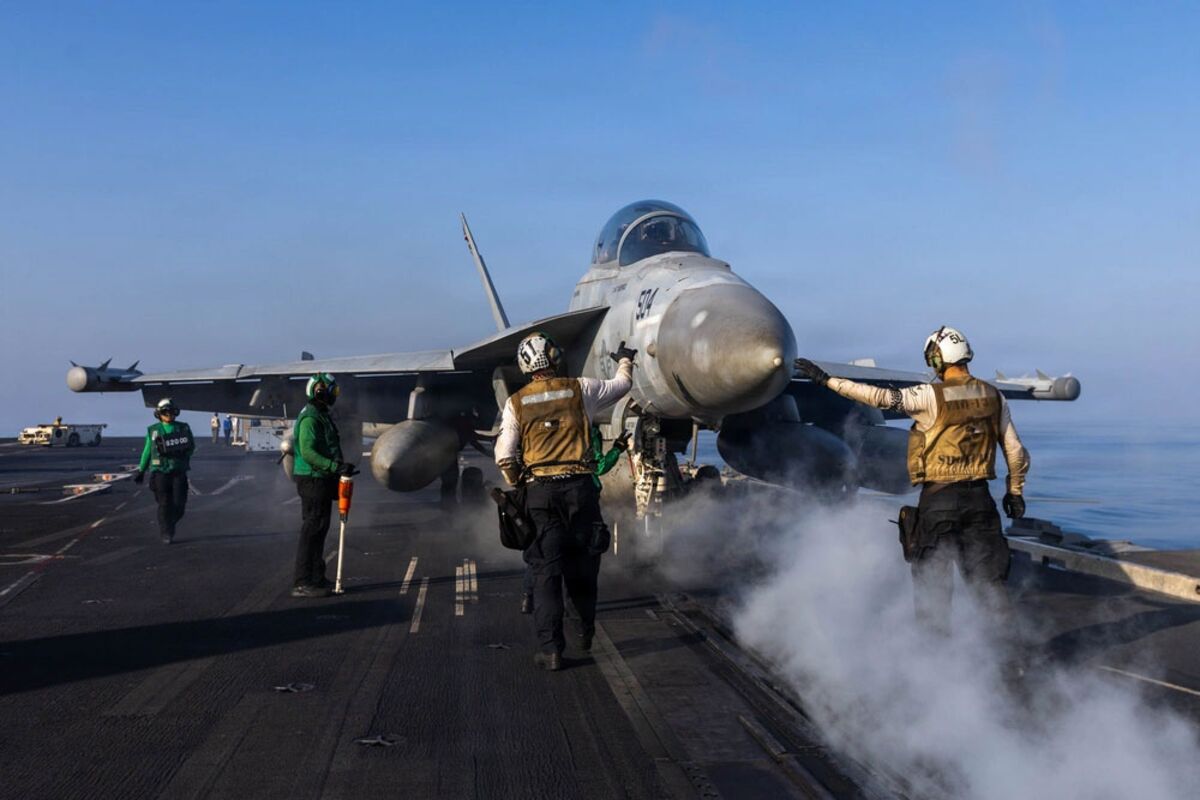
Spain closed its airspace to US military flights and Italy denied landing rights at a Sicilian base, while Poland said it will not relocate Patriot batteries — clear pushback from NATO allies against President Trump’s efforts to involve them in a potential Iran conflict. These actions heighten the risk of a deeper rift in NATO, complicate US force projection to the Middle East, and raise geopolitical risk premia that could affect defense-sector equities and energy market sentiment.
Europe’s refusal to be a logistical extension of US operations is not just a diplomatic divergence — it reroutes the real economy of war: procurement, lift, and sustainment. In the near term (days–weeks) expect firms tied to military airlift, EMS/contract logistics and casualty insurance to see elevated volatility as routing, overflight fees and premium war-risk insurance reprices; over 3–12 months manufacturers of air-defense components and munitions face lumpy demand timing rather than outright cancellation. Over a 1–4 year horizon the more important second-order effect is political: sustained operational friction with the US increases incentives for EU governments to onshore capability (munitions, air defense, integrated C4ISR), shifting CAPEX and procurement from US primes to European contractors and regional subsystem suppliers. The market is underpricing the asymmetric timing: US primes may lose near-term revenue from rerouted deployments while European defense names stand to gain multi-year structural order flow and potential consolidation opportunities as national champions are recapitalized.
Key tail risks and catalysts are straightforward and time-staggered. Days–weeks: a rapid diplomatic patch or a single high-casualty event could flip risk-on, restoring transits and reversing short-term pain for US carriers and contractors; months: EU budget decisions, emergency procurement programs, or a NATO summit communiqué explicitly funding joint operations would reallocate capital back to incumbents; years: a sustained decoupling would trigger industrial policy (subsidies, transfer restrictions) and benefit domestic supply-chain winners. Watch three triggers: (1) EU emergency procurement bill passage, (2) public bilateral defense pacts between EU states and non-US suppliers, and (3) rapid drawdown of US munitions stocks leading to emergency buys — each flips order timing and sector returns.
AI-powered research, real-time alerts, and portfolio analytics for institutional investors.
Request DemoOverall Sentiment
mildly negative
Sentiment Score
-0.35
