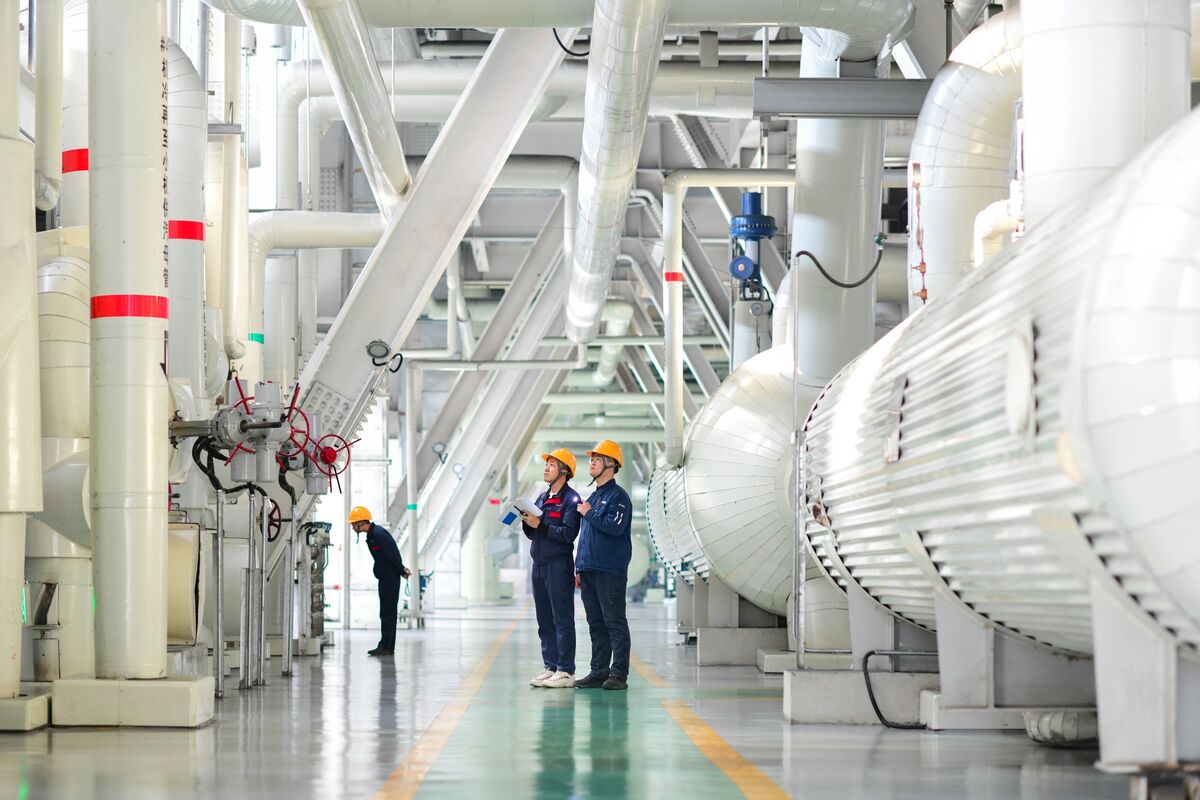
China's thermal power generation increased 1.2% year-on-year in May, marking the first gain since November, driven by rising temperatures and increased air conditioner usage across northern China. The data from the National Bureau of Statistics indicates a potential shift in energy demand following a period of decline, although the sustainability of this growth remains to be seen.
China's thermal power generation, encompassing coal and gas plants, recorded a 1.2% year-on-year increase in May, marking the first such gain since November of the preceding year, as reported by the National Bureau of Statistics. This rise in output is directly linked to elevated temperatures across northern China, which escalated the demand for electricity due to increased air conditioner usage. The data suggests a potential, albeit weather-contingent, turnaround in thermal energy consumption following several months of decline, carrying implications for domestic coal and natural gas demand. While the immediate sentiment linked to this specific data point is moderately positive, its current low market impact score indicates that market participants may be awaiting further evidence to confirm a sustained shift in energy demand patterns.
AI-powered research, real-time alerts, and portfolio analytics for institutional investors.
Request DemoOverall Sentiment
moderately positive
Sentiment Score
0.40
