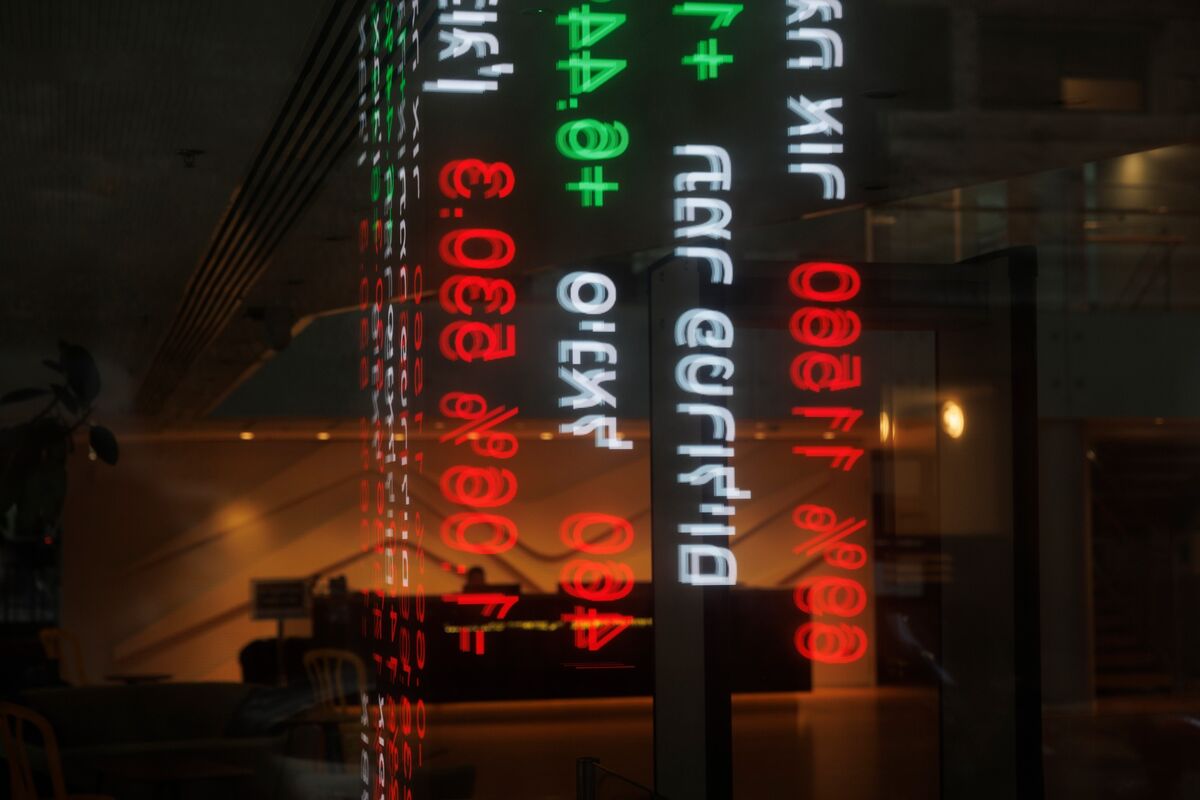
Middle Eastern stock markets experienced declines Thursday amid escalating regional tensions, with Israel's TA-35 Index leading the losses at 2.5%, marking its largest drop in two months. The Dubai Financial Market General Index also fell significantly by 2.3%, while the Saudi Tadawul All Share Index decreased by 1.8% as investors reacted to the increased uncertainty.
Stock markets across the Middle East experienced a notable downturn on Thursday, directly attributable to escalating regional tensions. Israel's TA-35 Index emerged as the day's worst-performing global benchmark, declining by as much as 2.5%, marking its most significant single-day drop in two months. Similarly, the Dubai Financial Market General Index fell 2.3%, also poised for its largest decrease in the same timeframe. The Saudi Tadawul All Share Index registered a 1.8% loss. These synchronized declines across key regional bourses reflect a broad-based investor retreat driven by heightened uncertainty and a pessimistic sentiment, as underscored by a sentiment score of -0.75. The market movements highlight the acute sensitivity of these emerging markets to geopolitical instability, impacting investor sentiment and triggering significant capital outflows.
AI-powered research, real-time alerts, and portfolio analytics for institutional investors.
Request DemoOverall Sentiment
strongly negative
Sentiment Score
-0.75
