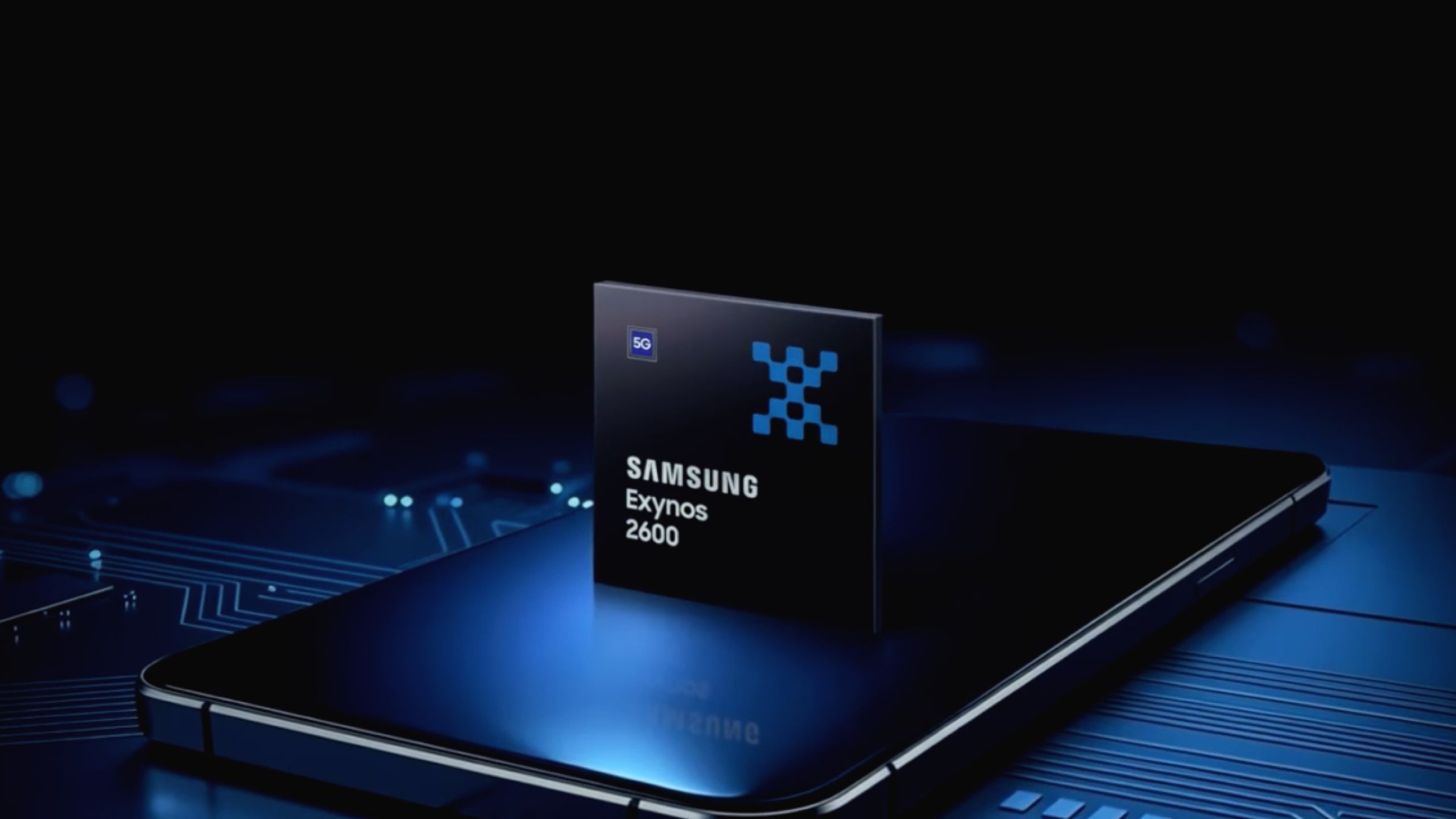
Samsung unveiled the Exynos 2600, the industry’s first 2nm GAA smartphone chipset, positioning it as a potential SoC for Galaxy S26 devices in Asia and Europe. The 10‑core Arm v9.3 design (company-stated CPU layout includes a 3.8GHz C1‑Ultra prime, three 3.25GHz C1‑Pro cores and three 2.75GHz C1‑Pro cores) and Xclipse 960 GPU are claimed to deliver up to 39% CPU improvement over the Exynos 2500 and up to 2x GPU performance (with up to 50% better ray tracing), while a new Heat Path Block targets sustained-performance thermal issues. For investors, the 2nm milestone and the split-region chipset strategy versus Snapdragon could materially affect Samsung’s competitiveness in premium phones and the broader semiconductor technology leadership dynamic.
Market structure: Samsung’s 2nm Exynos 2600 is a tactical win for Samsung Electronics (SSNLF/005930.KS) and ARM (ARM) IP positioning — smaller node + HPB design could allow Samsung to regain performance parity in Asia/Europe versus Qualcomm (QCOM). Qualcomm’s immediate exposure is regional: if Samsung switches Exynos into ~30% of S26 shipments, Qualcomm AP revenue could face a mid-single-digit percentage hit over 12 months, pressuring pricing power for mobile SoCs.
Risk assessment: Key tail risks are 2nm yield failure, HPB underperformance in independent thermal tests, or regulatory constraints on cross-border foundry capacity; each could invert the thesis within 0–3 months. Near term (days–weeks) volatility will hinge on benchmarks and leak reviews; medium (3–9 months) depends on S26 sales mix and 2nm yield ramp; long term (12+ months) depends on ecosystem adoption of ARM v9.3 and licensing upside for ARM.
Trade implications: Tactical trades should be event-driven around the S26 launch and first independent thermal/benchmark reports (expected 4–10 weeks). Volatility likely peaks at launch — use options to define risk: buy puts on QCOM 3–6 month expiries and call/stock exposure to ARM with a 6–12 month horizon. Credit-sensitive assets (EM FX in Korea/Taiwan) may see small repricing if foundry orders shift.
Contrarian view: Consensus too quickly prices ARM and Samsung as unambiguous winners; historical parallels (Exynos iterations that looked good on paper but lagged in real-world thermals) caution against full conviction until 3rd-party sustained-load tests. If independent tests show <15% sustained performance loss vs Snapdragon, the market has underpriced Samsung upside; conversely, if 2nm yields are low, Samsung and ARM could underdeliver vs current optimism.
AI-powered research, real-time alerts, and portfolio analytics for institutional investors.
Request DemoOverall Sentiment
moderately positive
Sentiment Score
0.45
Ticker Sentiment
